

Adoção do Bitcoin deve acelerar via contas de consultoria, corretagem e aposentadoria nos EUA
Adoção do Bitcoin deve acelerar via contas de consultoria, corretagem e aposentadoria nos EUA 디지털투데이
디지털투데이
Publisher
Aug 13, 2026 at 11:37 PM UTC · 3 min de leitura

Key Signal
42% Advisers able to buy crypto
Entities
bitcoin
Market Impact
BTC-1.60%$83,361
Last Updated
há um mês
É cada vez mais provável que o Bitcoin se espalhe para o público por meio de contas de consultoria, contas de corretagem e produtos de aposentadoria, em vez de plataformas de negociação de criptomoedas.
Em 13 de agosto, o veículo de mídia blockchain CryptoSlate informou que a gestora de ativos Grayscale vê a adoção do bitcoin se expandindo nos canais de distribuição financeira tradicional. Afirmou que milhões de investidores de varejo podem acabar encontrando o bitcoin em contas de investimento existentes.
A chave é uma mudança no acesso. Em vez de indivíduos configurarem carteiras separadas e usarem exchanges, as carteiras geridas por gestores de patrimônio estão cada vez mais incluindo pequenas alocações de bitcoin, ou investidores estão mantendo produtos negociados em bolsa (ETPs) em contas de corretagem.
A barreira nos canais de consultoria também está caindo. Uma pesquisa de 2026 da Bitwise e VettaFi descobriu que 42 por cento dos consultores poderiam comprar criptomoedas em contas de clientes. Isso representa um aumento em relação aos 35 por cento em 2024 e 19 por cento em 2023. Em 2025, 32 por cento dos consultores disseram ter investido dinheiro de clientes em criptomoedas. Entre os consultores que já utilizam criptomoedas, 64 por cento alocaram mais de 2 por cento das carteiras dos clientes nelas, contra 51 por cento na pesquisa anterior.
Market Context
Bitcoin
BTC
$83,361
-1.60% (24H)
Market Cap
$1.67T
Circulating Supply
20.1M BTC
24H Volume
$42.0B
24H High
$85,061
Article Intelligence
Key Entities
Topics
Related Coverage
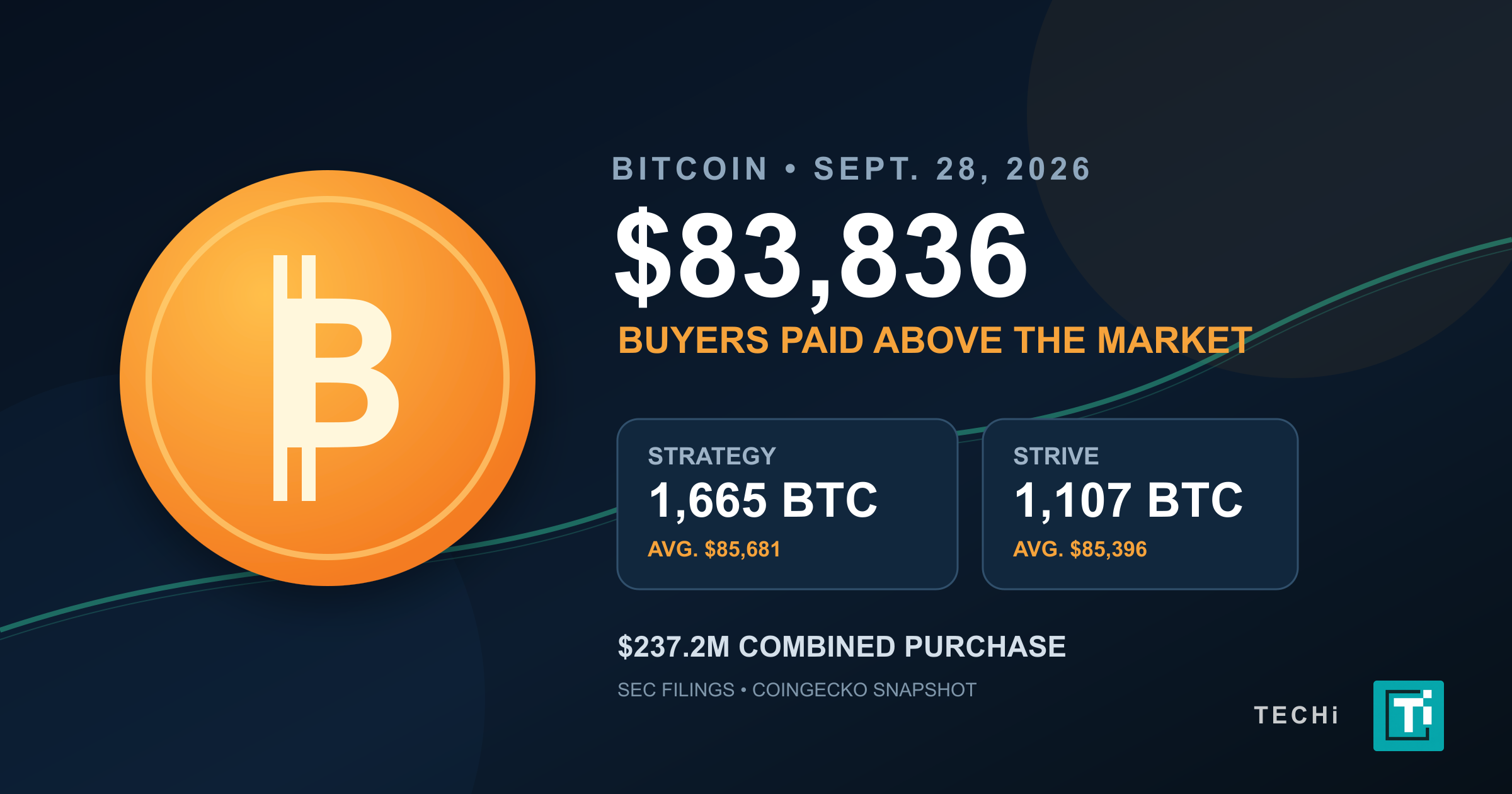 CryptoBitcoin at $83K Puts Strategy and Strive’s $237M Buy Underwaterhá 30 minutos · 8 min read
 CryptoBitcoin Slips Back Below $83,000. Rising Macro Risks Are Testing The Latest Rally.há 44 minutos · 3 min read
 CryptoBitcoin Price Prediction After Eight-Month High: Remittix Opens PayFi Access to Its First 1,000 Usershá uma hora · 1 min read
Sponsored
Ad
NewsLayer Premium
Unlock deeper intelligence.
Ad-free reading, exclusive research, and real-time onchain insights.
Go Premium