Tulsa World, Bitcoin'i uzun vadeli servet koruması için potansiyel bir “dijital çıpa” olarak çerçeveleyen bir rapor yayınladı. Manşet, Bitcoin'in giderek dijitalleşen bir finansal sistemde geleneksel değer saklama araçlarına benzer bir rol oynayıp oynayamayacağı konusundaki süregelen tartışmayı yansıtıyor.
Uzun Vadeli Servet Koruma İçin Dijital Bir Çapa Olarak Bitcoin
Uzun Vadeli Servet Koruma İçin Dijital Bir Çapa Olarak Bitcoin Tulsa World
Tulsa World
Publisher
Aug 10, 2026 at 12:10 PM UTC · 1 dk okuma

Entities
bitcoin
Market Impact
BTC-0.21%$84,224
Last Updated
2 ay önce
Bitcoin, en büyük ve en yaygın tanınan kripto paradır. Merkeziyetsiz bir blok zinciri ağında faaliyet gösterir ve protokolünde kodlanmış sabit bir maksimum arza sahiptir. Destekçiler, Bitcoin'in uzun vadeli bir varlık olarak potansiyelini tartışırken genellikle bu sınırlı arza, küresel erişilebilirliğine ve merkez bankası ihracından bağımsızlığına işaret eder.
Bitcoin'in bir servet koruma aracı olduğu iddiası hala tartışmalıdır. Bitcoin, geçmişi boyunca önemli fiyat oynaklıkları yaşamıştır ve değeri piyasa talebi, düzenlemeler, teknolojik gelişmeler ve daha geniş ekonomik koşullardan etkilenmektedir. Nakit paraya, banka mevduatına veya devlet tarafından basılan bir para birimine eşdeğer değildir.
Tulsa World raporunun kurgusu, Bitcoin'i dijital varlıklar ve uzun vadeli finansal direnç hakkındaki daha geniş çaplı tartışmanın içine yerleştiriyor. Yatırımcılar, işletmeler ve finansal kurumlar tarafından benimsenme süreci gelişmeye devam ederken; saklama, güvenlik, düzenleme ve oynaklık konularındaki sorular, Bitcoin'in servet korumadaki yerinin değerlendirilmesinde merkezi önemini koruyor.
Sourced by
Originally reported by Tulsa World
NewsLayer coverage based on externally reported material.
The Daily Brief
The onchain economy, before your day starts.
Curated markets, onchain insights, and key headlines — delivered every weekday morning.
Weekdays · Free · ~5 minute read
0
Applause
Was this article helpful?
Market Context
Bitcoin
BTC
$84,255
-0.18% (24H)
Market Cap
$1.69T
Circulating Supply
20.1M BTC
24H Volume
$31.2B
24H High
$85,247
Article Intelligence
Key Entities
Topics
Related Coverage
 MarketsBitcoin price rose 10% amid $2.88B ETF inflows despite short-term dip and exchange outflows.9 dakika önce · 1 min read
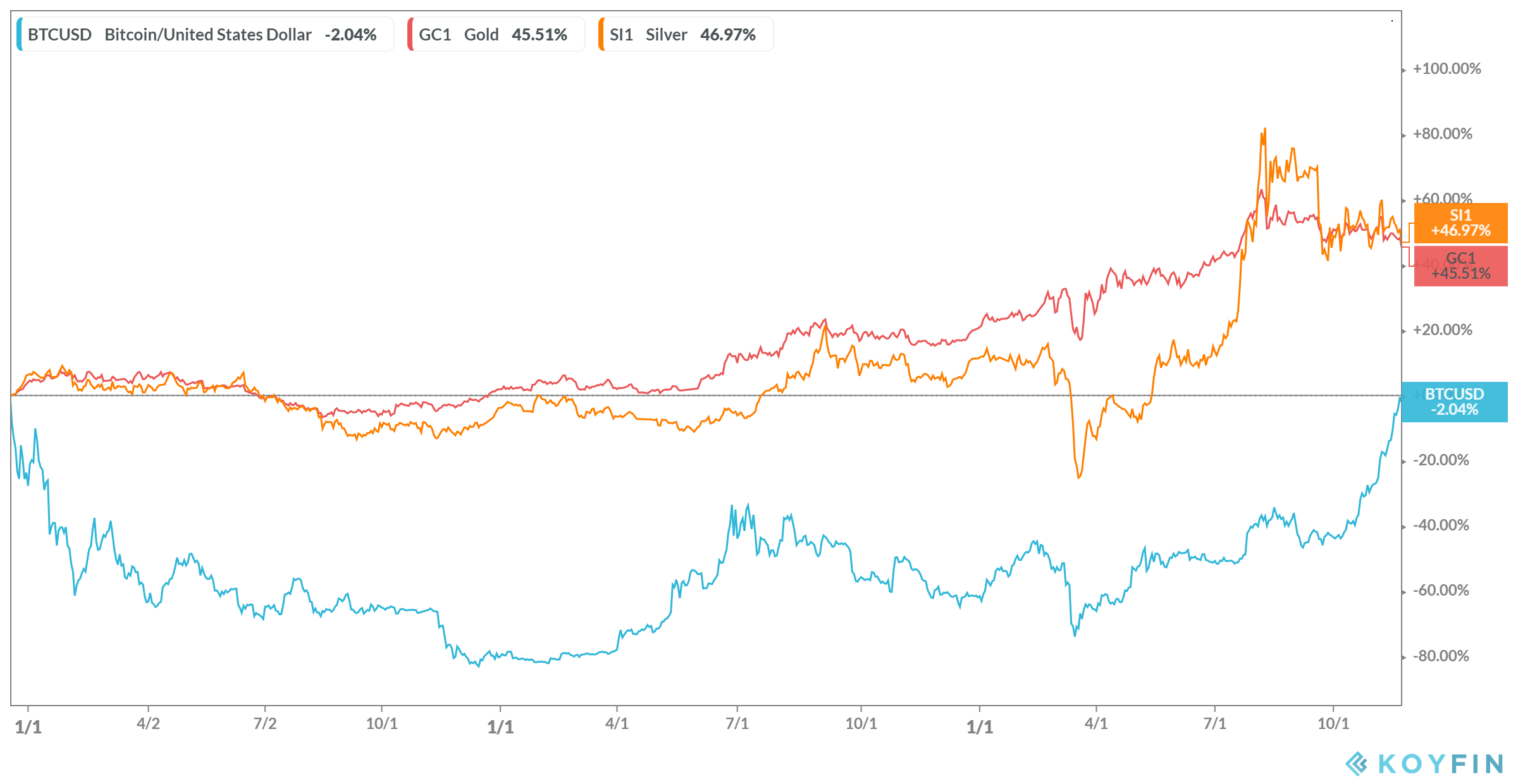 CryptoBitcoin Surges 36% Since August 18 While Gold and Stocks Remain Stagnant: A Shift in Correlation?10 dakika önce · 4 min read
 CryptoBitcoin’s price should target THIS weekly close to cement multi-month trend shift35 dakika önce · 2 min read
Sponsored
Ad
NewsLayerLearn more
NewsLayer Premium
Unlock deeper intelligence.
Ad-free reading, exclusive research, and real-time onchain insights.
Go Premium