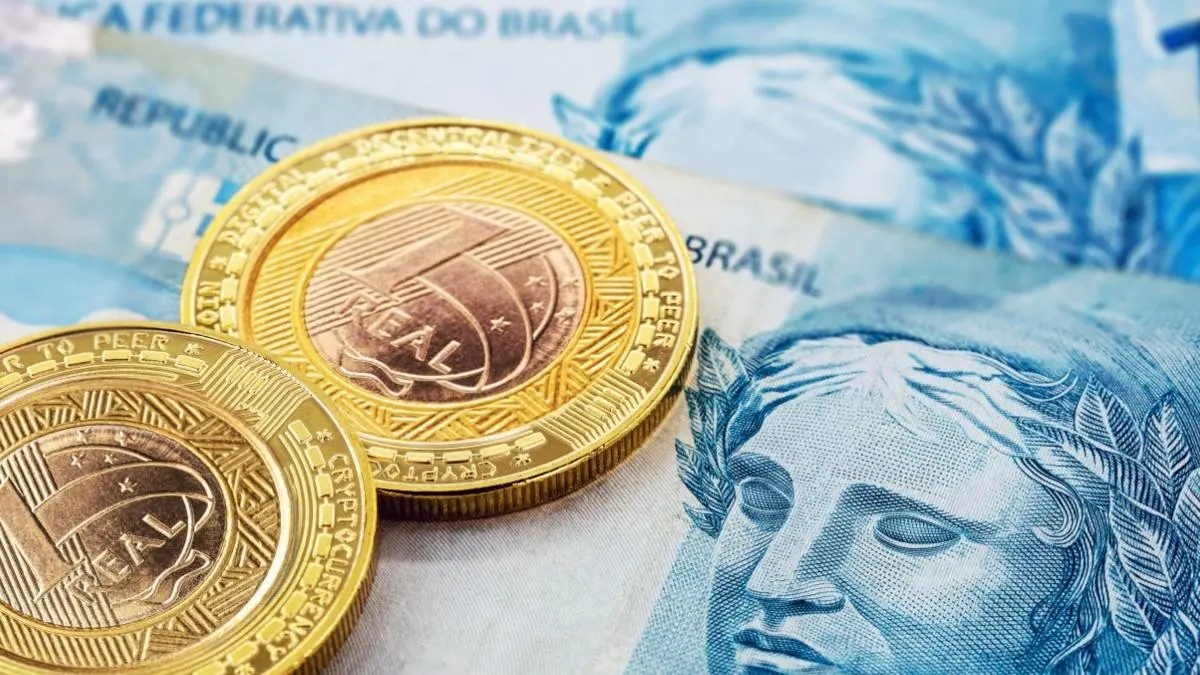
In July, the IMF warned that cross-border crypto flows in Brazil are growing faster than traditional capital flows and faster than nominal GDP. It also noted that 71.7 per cent of all reported crypto activity in Brazil over the last six years relates to stablecoins.
Reported by Consejeros Editorial Team
On 28 July, the International Monetary Fund (IMF) warned that Brazil’s crypto-asset market, particularly stablecoins pegged to the US dollar, has expanded rapidly since 2017 and requires closer supervision, as cross-border cryptocurrency flows are growing faster than traditional capital flows.
According to the organisation, stablecoins have played a key role in the significant growth of Brazil’s crypto-asset market. The report indicated that cross-border cryptocurrency flows “have risen steadily” and that purchases of stablecoins are between two and three times more sensitive to global shocks than traditional portfolio investment or foreign direct investment flows.
In fact, the IMF report documents that cross-border crypto flows in Brazil are growing faster than traditional capital flows and faster than nominal GDP. It also states that 71.7 per cent of all reported crypto activity in Brazil over the last six years relates to stablecoins, i.e. digital dollars.
Against this backdrop, last Friday the Central Bank of Brazil published a resolution introducing a mandatory 24-hour delay on certain cryptocurrency transfers, as a measure to prevent fraud. The measure aims to give institutions time to assess the risk of transactions, extending the rules that already applied to traditional payments to virtual assets.
Resolution 584
Resolution 584, published on Friday, amends the rules on fraud prevention for payment services and now covers virtual asset services. The requirement applies to transfers exceeding $10,000, whether in a single transaction or as the sum of a customer’s transactions on the same day.