This website uses cookies
We use cookies to personalise content and ads, to provide social media features and to analyse our traffic. We also share information about your use of our site with our social media, advertising and analytics partners who may combine it with other information that you’ve provided to them or that they’ve collected from your use of their services.
Consent Selection
Details
  • Necessary cookies help make a website usable by enabling basic functions like page navigation and access to secure areas of the website. The website cannot function properly without these cookies.
  • Preference cookies enable a website to remember information that changes the way the website behaves or looks, like your preferred language or the region that you are in.
    • We do not use cookies of this type.

  • Statistic cookies help website owners to understand how visitors interact with websites by collecting and reporting information anonymously.
    • We do not use cookies of this type.

  • Marketing cookies are used to track visitors across websites. The intention is to display ads that are relevant and engaging for the individual user and thereby more valuable for publishers and third party advertisers.
    • We do not use cookies of this type.

  • Unclassified cookies are cookies that we are in the process of classifying, together with the providers of individual cookies.
    • __emg_sidPending
      Maximum Storage Duration: 1 dayType: HTTP Cookie
      __emg_vidPending
      Maximum Storage Duration: 1 yearType: HTTP Cookie
      nl-read-countPending
      Maximum Storage Duration: PersistentType: HTML Local Storage
Cookie declaration last updated on 8/12/26 by Cookiebot
[#IABV2_TITLE#]
[#IABV2_BODY_INTRO#]
[#IABV2_BODY_LEGITIMATE_INTEREST_INTRO#]
[#IABV2_BODY_PREFERENCE_INTRO#]
[#IABV2_BODY_PURPOSES_INTRO#]
[#IABV2_BODY_PURPOSES#]
[#IABV2_BODY_FEATURES_INTRO#]
[#IABV2_BODY_FEATURES#]
[#IABV2_BODY_PARTNERS_INTRO#]
[#IABV2_BODY_PARTNERS#]
About
Cookies are small text files that can be used by websites to make a user's experience more efficient.

The law states that we can store cookies on your device if they are strictly necessary for the operation of this site. For all other types of cookies we need your permission.

This site uses different types of cookies. Some cookies are placed by third party services that appear on our pages.

You can at any time change or withdraw your consent from the Cookie Declaration on our website.

Learn more about who we are, how you can contact us and how we process personal data in our Privacy Policy.

Please state your consent ID and date when you contact us regarding your consent.
NewsLayer

Install NewsLayer

Get the app experience — one tap from your home screen, instant loads and breaking-news alerts.

NewsLayer.com

CLARITY Act Update: SEC-CFTC Alternative Framework Explained

Publicado há 8 horas 3 min de leitura
CLARITY Act Update: SEC-CFTC Alternative Framework Explained

CLARITY Act Update: SEC-CFTC Alternative Framework Explained Cryptonews

SEC-CFTC Crypto Map Advances as Clarity Act Stalls

Author

Ahmed Barakat

Author

Ahmed Barakat

Part of the Team Since

Aug 2025

About Author

Ahmed Barakat is a journalist and copywriter based in Georgia with a growing focus on blockchain technology, DeFi, AI, privacy, digital assets, and fintech innovation.

Share

Fact Checked by

CryptoNews Editorial Team

Author

CryptoNews Editorial Team

Part of the Team Since

Sep 2018

About Author

The CryptoNews editorial team is composed of seasoned writers specializing in cryptocurrency and blockchain technology. Their expertise ensures comprehensive, accurate, and insightful content for...

Last updated: 

The SEC issued joint guidance with the CFTC last week, classifying digital assets into five categories: digital commodities, digital collectibles, digital tools, stablecoins, and digital securities, signaling that the agency will build its own crypto regulatory framework rather than wait indefinitely for the Senate’s stalled CLARITY Act.

The move gives exchanges, token issuers and traders a working jurisdictional map, but it’s an interpretation, not statute, and that distinction matters for anyone pricing regulatory risk into crypto positions.

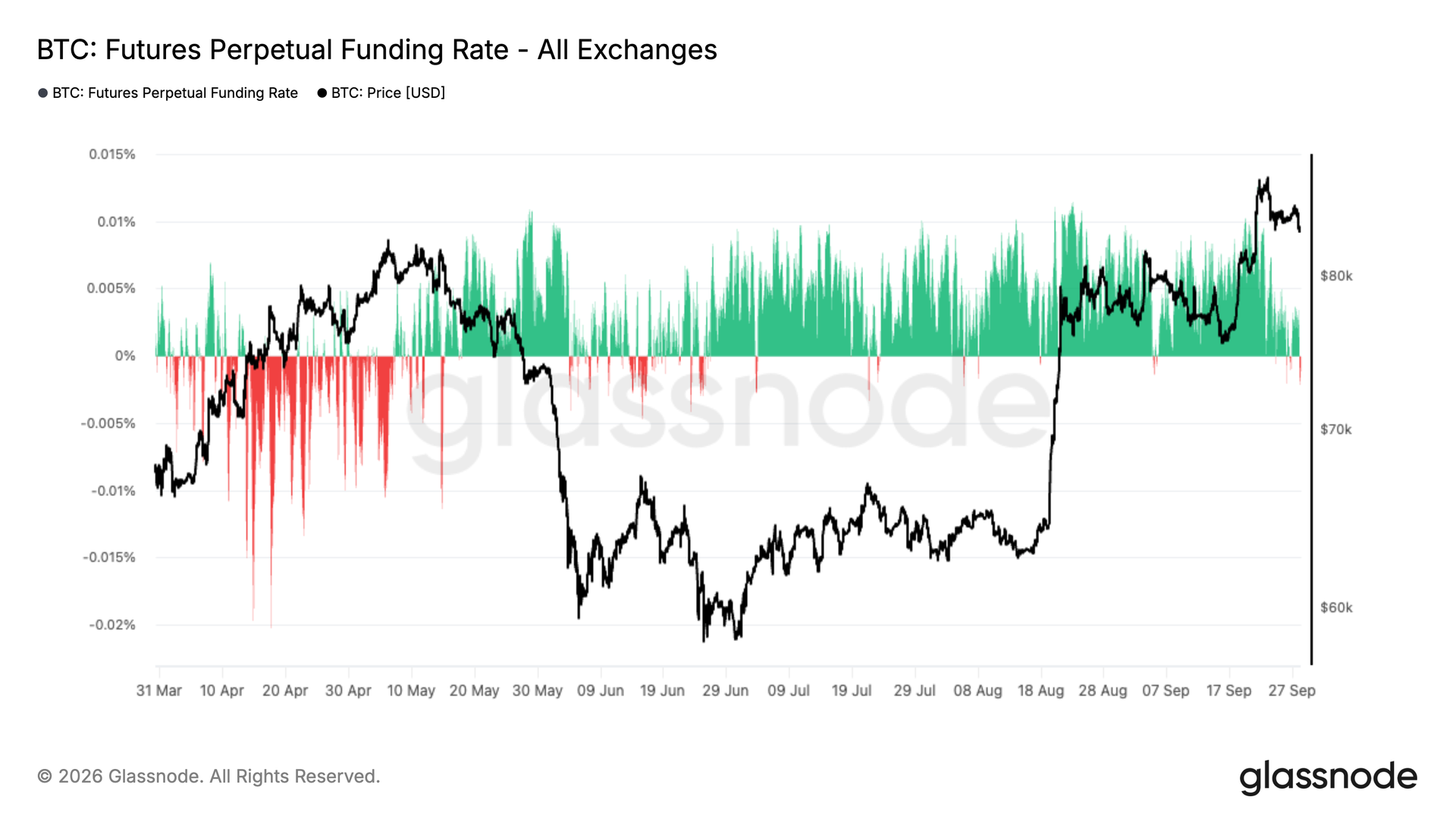
This latest CLARITY Act news comes as the crypto market braces for today’s CPI data, which could shake Bitcoin out of its current consolidation around $64,000. The direction, though, is yet to be determined.

CLARITY Act Alternative: A Taxonomy Built for Speed, Not Statute

Under the new SEC-CFTC breakdown, the first four asset categories generally fall outside securities law, leaving digital securities as the only bucket firmly under SEC jurisdiction – though the agency notes it can still assert authority over specific nonsecurity assets in particular cases. That’s the ambiguity market structure legislation was supposed to erase, and it’s why the guidance reads as a stopgap rather than a settlement.

Ian Katz, managing partner at Capital Alpha, framed the calculation regulators are making given how slow formal rulemaking moves. “They’re not completely putting the brakes on, waiting for legislation,” he told The Hill.

SEC Chair Paul Atkins made the same point more bluntly at the DC Blockchain Summit, framing the guidance as overdue rather than optional.

“For over a decade, market participants have operated without clear guidance on the fundamental question – does a crypto asset implicate federal securities laws? So today, I’m pleased to announce that the SEC’s persistent failure to provide clarity on this question is over,” Atkins said.

Atkins also previewed a broader framework built around a startup exemption, a fundraising exemption and a safe harbor for crypto assets that have outgrown securities treatment, pieces that would normally live in statute, not agency interpretation.

Discover: Get Paid to Be Right, $25 to Start on Kalshi

The Senate’s Stablecoin Standoff

The House passed the CLARITY Act last July, but the Senate is divided, with the Agriculture committee advancing its section without Democratic votes and the Banking committee facing setbacks, including losing Coinbase’s support.

A key issue is stablecoin rewards, with banks seeking tighter restrictions, while the crypto industry argues this hinders their competitiveness. President Trump criticized the banks for undermining the GENIUS Act and urged swift action on market structure.

Senators Angela Alsobrooks and Thom Tillis have reportedly reached a bipartisan agreement on rewards, though details are vague. David Carlisle from Elliptic noted that the SEC and CFTC’s joint interpretation provides needed assurance amid the ongoing legislative uncertainty.

What Happens Next

SOURCE: Kalshi

Even if the Senate Banking Committee marks up its bill in April as targeted, lawmakers would still need to merge it with the Agriculture Committee’s version, clear a 60-vote floor threshold, and reconcile the result with the House’s CLARITY Act, all before midterm politics freeze legislative activity.

Sen. Bernie Moreno put a hard number on the risk: “If we don’t get the CLARITY Act passed by May, digital asset legislation will not pass for the foreseeable future.”

For traders, that timeline is the variable worth tracking over policy headlines about the guidance itself. An SEC interpretation can be revised or withdrawn by a future commission without a congressional vote, while a passed statute can’t.

This is a gap that has already shown up in how institutional flows have responded to the delay, and one that will continue to matter for how much durable pricing power crypto regulation actually carries this year.

Discover: Your Market Calls Are Worth Something. Start With Free $25 on Kalshi

Attribution

Originally reported by Cryptonews

Get stories like this, daily.

Daily crypto + regulation intelligence, straight to your inbox. Free.

Notícias Relacionadas