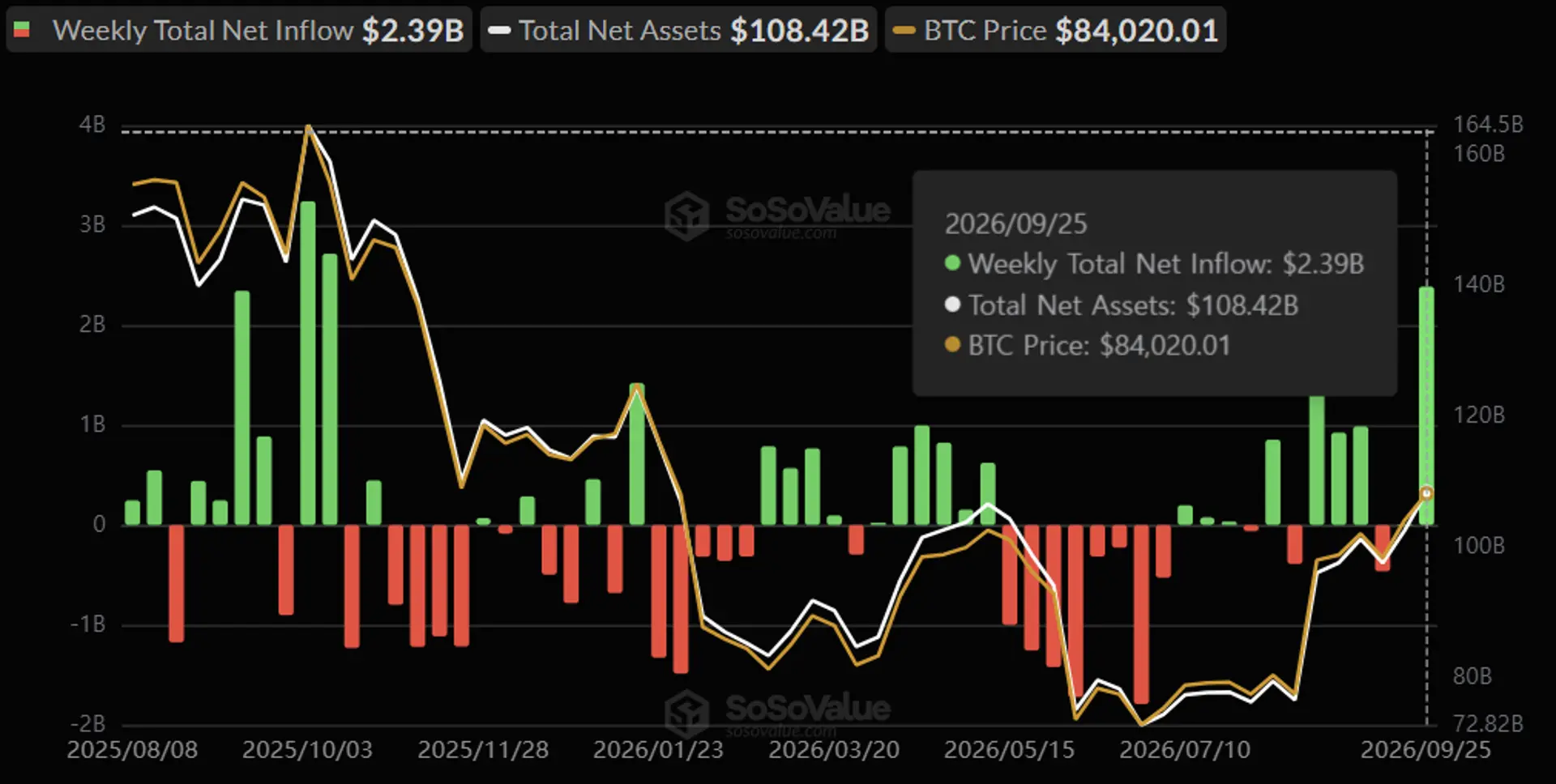


The apparent approach of $1 billion in ETF inflows is the most important signal in this news cycle, not because a single flow number guarantees a durable rally, but because it illustrates how crypto demand is being rerouted. Investors who previously needed exchange accounts, self-custody practices or offshore trading venues can now gain exposure through familiar brokerage channels. That lowers friction, expands the buyer base and makes digital assets increasingly responsive to allocation decisions made by wealth platforms, registered investment advisers and institutional portfolio committees.
Yet ETF-led adoption does not remove crypto’s structural risks; it repackages them. Spot products depend on a relatively narrow stack of custodians, pricing agents, liquidity providers, authorized participants and exchanges. When flows accelerate, this structure can create a powerful feedback loop: creations require underlying asset purchases, improved liquidity attracts more allocators, and rising prices validate the product. In a reversal, however, the same concentrated infrastructure can transmit stress quickly. Smart money should therefore track creation and redemption activity, trading spreads, custody concentration and the quality of underlying spot-market liquidity rather than treating headline inflows as a standalone bullish indicator.