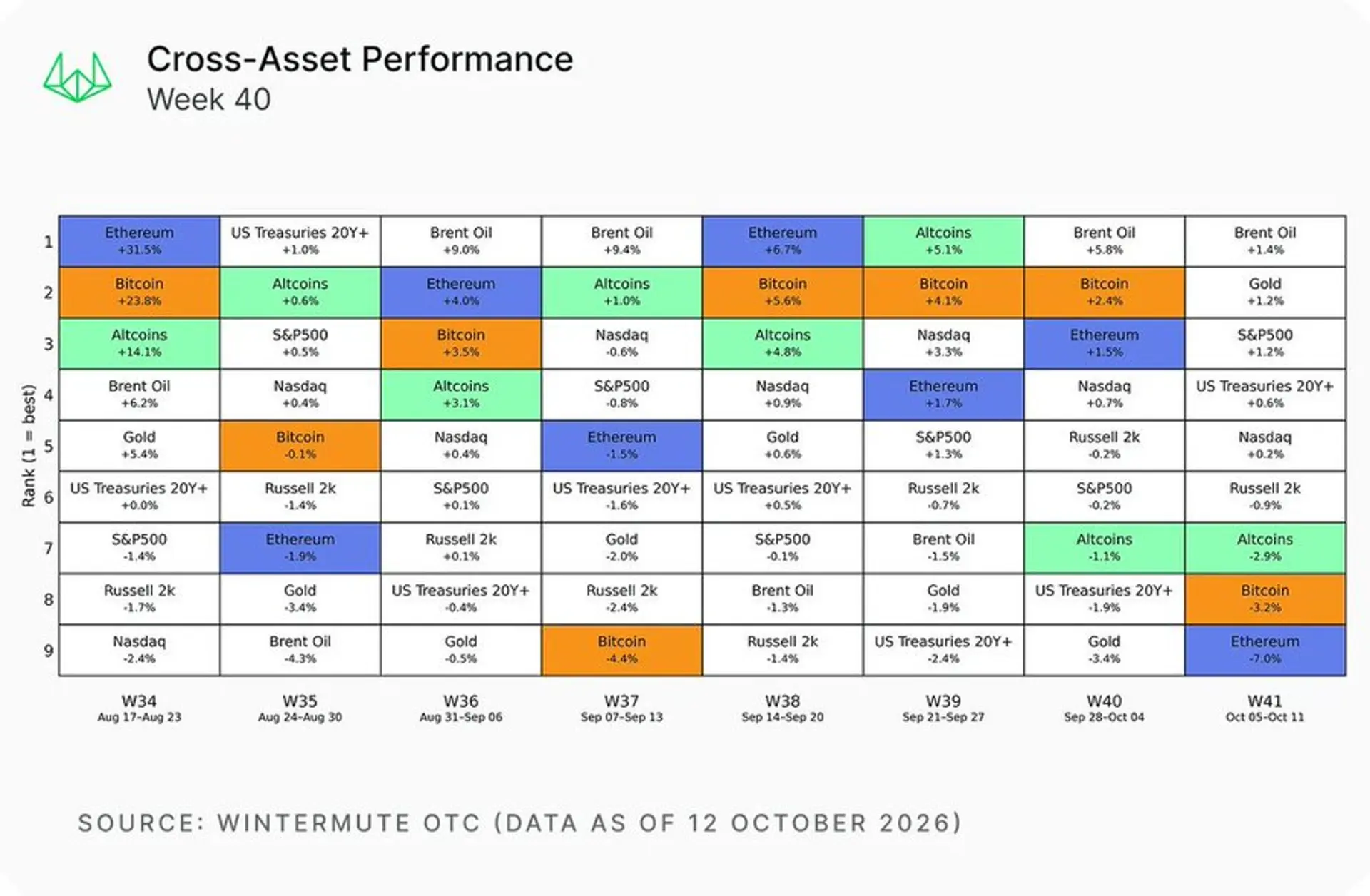
Taken together, these stories point to a market moving into its next phase of financialization. The center of gravity is shifting away from the old question of whether Bitcoin can go higher on reflexive retail momentum and toward a more durable question: which regulated structures can absorb institutional demand most efficiently. That is why ETF inflows, SEC rulemaking, and treasury-company strategies matter so much even when Bitcoin itself is not breaking out. The asset is increasingly being monetized through wrappers, mandates, and corporate balance sheets rather than only through spot buying on crypto-native venues.
This is also why a company like MicroStrategy can plausibly outperform a flat Bitcoin tape. In a market that values access, leverage, and scarcity of investable vehicles, MSTR is no longer simply a proxy for Bitcoin. It is a structured product in equity form: liquid, index-eligible, actively capitalized, and capable of issuing securities against investor appetite for Bitcoin exposure. The same logic sits behind Metaplanet’s treasury-platform push. The market is rewarding entities that can turn passive Bitcoin ownership into an expandable capital-markets franchise. In this regime, packaging can outperform the underlying asset.