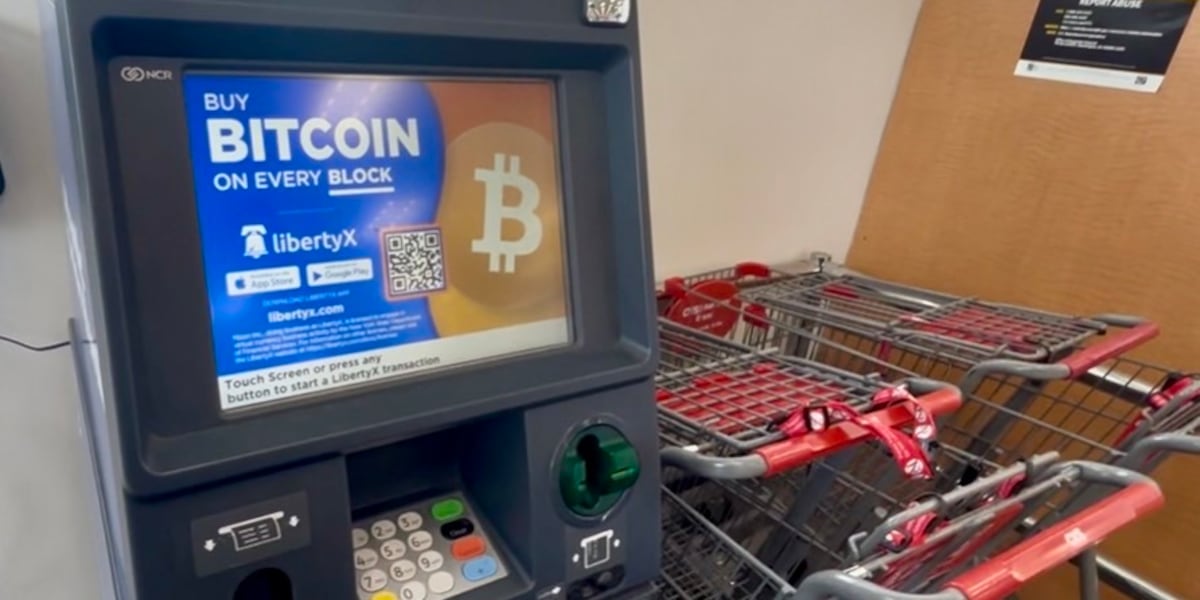
At first glance, this set of stories looks fragmented: OpenAI product branding, a Massachusetts town banning crypto ATMs, a quantum protocol proving device location, Okta hardening identity for AI agents, wolfSSL shipping post-quantum features, and Arqit working on defence-grade encryption. But viewed through a market lens, they all express the same underlying shift: in digital markets, verification is becoming scarcer, more valuable and more heavily regulated than compute or connectivity itself.
Crypto’s first era monetized blockspace and financialization. The next era will monetize trust guarantees. That means proving who or what is acting, where it is acting from, whether it is authorized, and whether the communication channel will remain secure against future attack models. The market increasingly understands that tokenized systems cannot scale into mainstream finance, enterprise and public infrastructure without stronger identity, location assurance and cryptographic durability. In that sense, these headlines are not side stories to crypto; they are the operating system upgrades the sector now needs.
:quality(82)/2107838830124092abb733c06131136b)