
A customer opens an exchange account, copies a string of numbers and follows a path through a Merkle tree. The page processes the request and returns a reassuring result: the customer’s balance was included in the exchange’s proof of reserves.
Four years after FTX, crypto exchanges still prove assets without proving solvency
The article argues that many crypto exchanges continue to publish proof-of-reserves reports showing customer assets without providing equally robust evidence of liabilities and overall solvency. Four years after FTX’s collapse, the gap…
CryptoSlate
Publisher
Aug 8, 2026 at 5:20 PM UTC · 8 min read
Key Takeaways
- Proof of reserves can demonstrate asset holdings but does not by itself confirm an exchange’s liabilities or solvency.
- FTX highlighted how incomplete transparency can obscure financial risks until withdrawals accelerate.
- The article calls attention to the need for fuller audits and disclosures covering both assets and obligations.
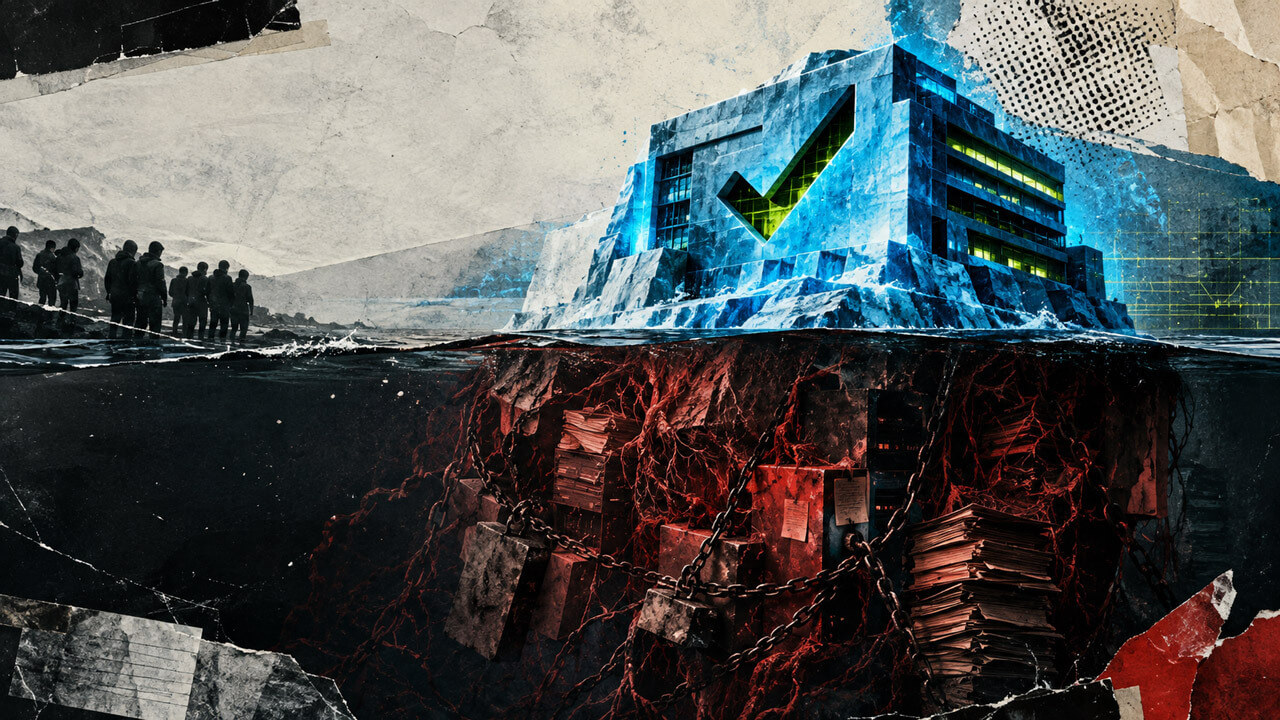
The verification is most likely technically sound, establishing that the account appeared in a dataset and that the exchange controlled wallets that contained enough of a particular asset to cover the balances represented there.
However, it can easily leave out whether every customer appears in that dataset, how much the exchange owes to lenders, whether the displayed coins have been pledged as collateral, and whether the company actually controlling the wallet is the same company that's legally required to repay the customer.
The interface on most exchanges makes this reserve verification process feel pretty comprehensive and final because people tend to give more authority to cryptographic evidence than to corporate promises.
But what many miss is the fact that the result only establishes that an exchange demonstrated control over specified assets at a specified moment. A determination of solvency, on the other hand, requires both a deeper and a wider view of the company’s obligations, ownership structure, and access to funds.
Article Intelligence
Topics
Sponsored
Ad
NewsLayerLearn more
NewsLayer Premium
Unlock deeper intelligence.
Ad-free reading, exclusive research, and real-time onchain insights.
Go Premium