
Sicherheitsforscher haben eine neue Malware zum Diebstahl von Informationen für macOS entdeckt, die über ClickFix Social-Engineering-Angriffe verbreitet wird.
Go-basierte macOS-Malware stiehlt Krypto und Geheimnisse
Infosecurity Magazine berichtet über Go-basierte Malware, die macOS-Nutzer angreift, um Kryptowährungen und sensible Informationen zu stehlen. Die Malware verdeutlicht die anhaltenden Risiken für digitale Wallets und persönliche Geheimnisse auf Apple-Geräten.
Infosecurity Magazine
Publisher
Aug 10, 2026 at 10:00 AM UTC · 1 Min. Lesezeit
Der Spezialist für Managed Detection and Response (MDR), Huntress, gab an, dass er im Juni 2026 auf die Malware gestoßen sei.
„Bei einem ClickFix-Angriff wird dem Computerbenutzer ein Pop-up-Fenster angezeigt, das wie eine Art CAPTCHA-Abfrage aussieht“, hieß es.
„Das Fenster weist das Ziel an, den Text einer langen Befehlszeile zu kopieren und in die Terminal-Anwendung auf dem Computer einzufügen. Die Befehlszeile lädt normalerweise die erste Phase des Angriffs herunter und führt sie aus.“
Mehr über ClickFix lesen: ClickFix-Angriffe steigen 2025 um 517 %
Bei diesem speziellen Angriff lud der Befehl einen Bash-Profiler/-Loader herunter, der Systemdetails sammelte und anschließend eine Mac-native Mach-O-Payload abrief, die auf die Prozessorarchitektur des Opfers abgestimmt war.
„Mach-O ist das von macOS verwendete ausführbare Format, und in diesem Fall wurde der Go-basierte Stealer entwickelt, um Browser-Passwortspeicher, Apple Keychain-Daten und zwischengespeicherte Anmeldedaten vom infizierten System abzugreifen“, so der Blogbeitrag weiter.
Article Intelligence
Topics
Related Coverage
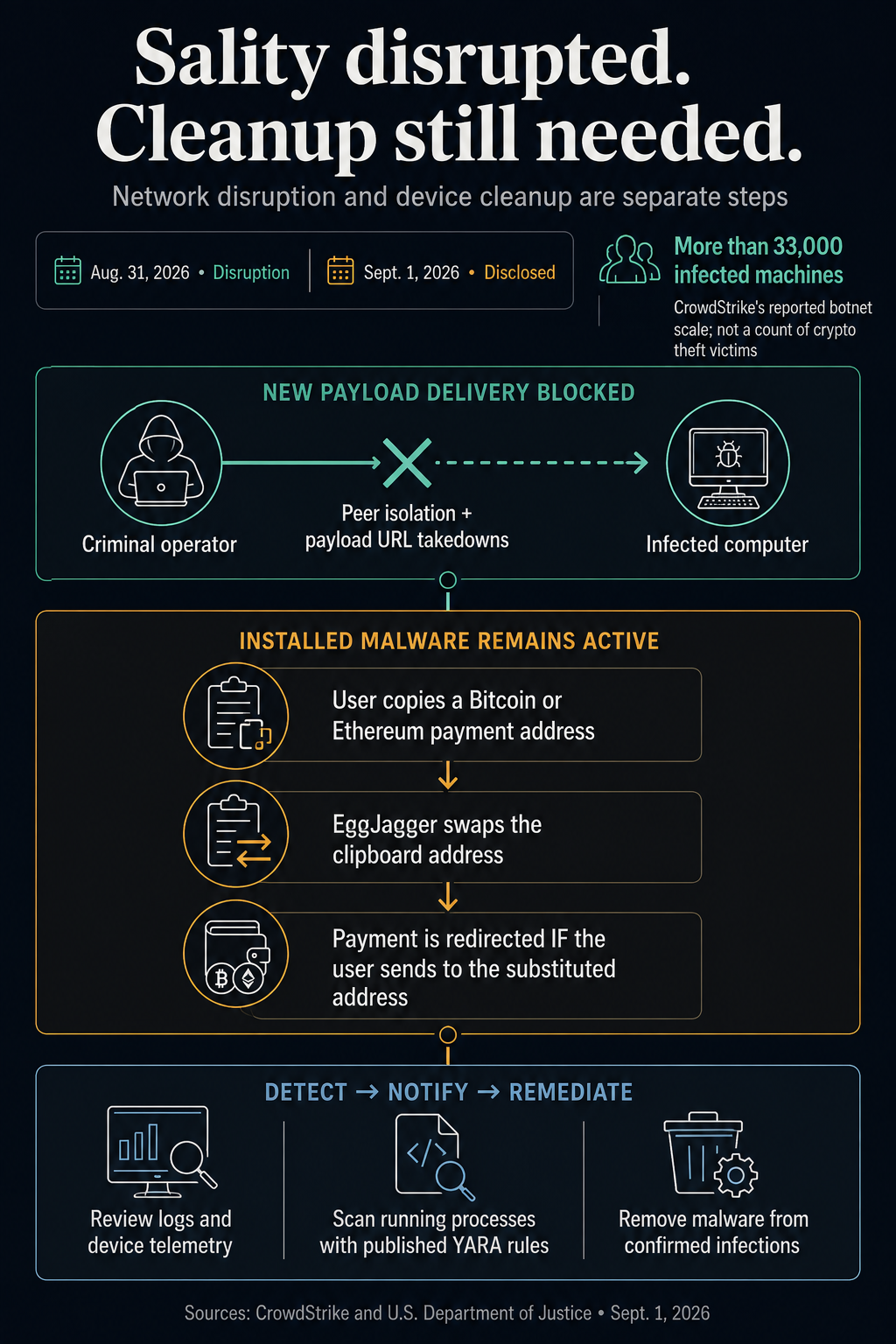 Web3Active crypto address “copy and paste attack” threatens users even after major malware cleanup cut off hackersvor 2 Stunden · 2 min read
 CryptoLiquid Network reports $320 million Bitcoin withdrawal in network breachvor einer Stunde · 2 min read
 Crypto‘Good’ Hackers Stole $320 Million in Bitcoin From Liquid, Then Returned Most of It After Blockstream Patched the Bugvor 6 Minuten · 1 min read
Sponsored
Ad
NewsLayerLearn more
NewsLayer Premium
Unlock deeper intelligence.
Ad-free reading, exclusive research, and real-time onchain insights.
Go Premium