
Por Matthew Young
Apuesta de alta tecnología: El impulso de West Virginia por Crypto y Blockchain
Apuesta de alta tecnología: El impulso de West Virginia por Crypto y Blockchain Black By God
Black By God
Publisher
Aug 15, 2026 at 4:50 PM UTC · 4 min de lectura
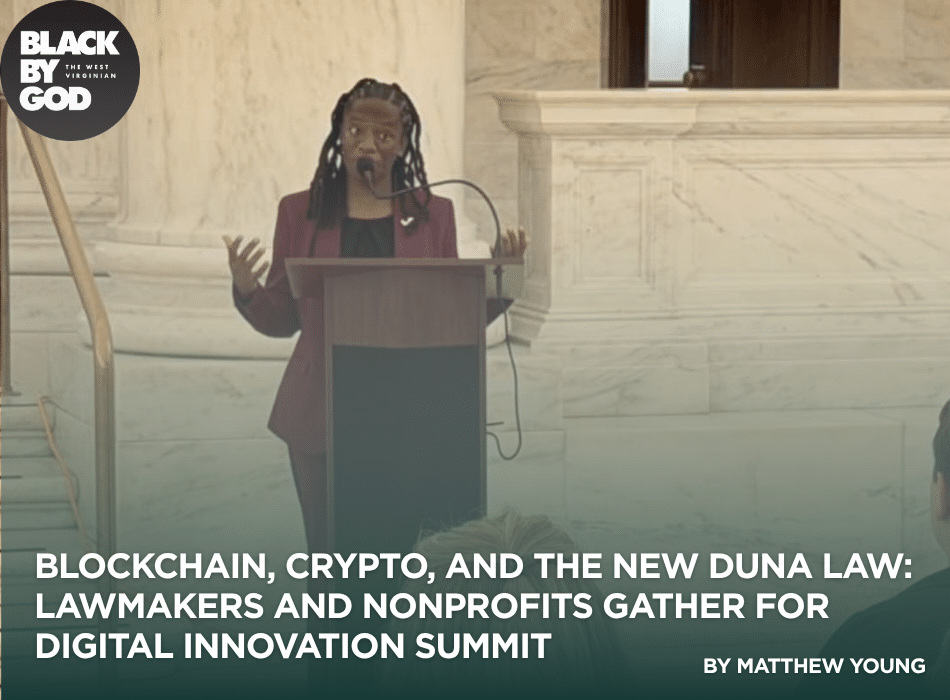
A principios de este año, World Population Review informó que Virginia Occidental es el 46.º estado más pobre de la nación, mientras que broadbandnow.com lo situó en el puesto 39 de 51 en cuanto a rendimiento de banda ancha. ¿Por qué entonces los cabilderos y los funcionarios electos están impulsando las criptomonedas y la inteligencia artificial —dos tecnologías en rápido desarrollo que requieren una inversión financiera masiva y una infraestructura estable de banda ancha— como el futuro del crecimiento económico en el Estado de la Montaña?
Como se explica en el sitio web de la West Virginia Blockchain Foundation, la respuesta —al menos en parte— reside en el cronograma legislativo.
“La sesión legislativa de 2026 marcó un momento importante para la política de blockchain en Virginia Occidental”, afirma el sitio web. “Por primera vez, se introdujeron múltiples proyectos de ley que abordan los activos digitales y la tecnología blockchain en ambas cámaras de la Legislatura”.
Si bien los legisladores solo aprobaron dos de estos proyectos de ley en 2026 —la regulación de los cajeros automáticos de criptomonedas y la nueva ley “DUNA” del estado— se presentaron un total de cuatro propuestas. Según el senador Brian Helton, republicano por Fayette —el patrocinador de uno de los tres proyectos de ley que no llegaron a la meta— todo comienza con el reconocimiento de que el activo digital tiene un valor en el mundo real.
Article Intelligence
Topics
Sponsored
Ad
NewsLayerLearn more
NewsLayer Premium
Unlock deeper intelligence.
Ad-free reading, exclusive research, and real-time onchain insights.
Go Premium