
A London law firm may encrypt merger files today and retain them for a decade. If criminals steal those files now, they could keep the ciphertext until a capable quantum computer can break the public-key protection around it.
How Quantum Computing Security could protect London businesses
A London law firm may encrypt merger files today and retain them for a decade. If criminals steal those files now, they could keep the ciphertext until a capable quantum computer can break the public-key protection around it.
London Business News
Publisher
Sep 7, 2026 at 7:11 AM UTC · Updated a few seconds ago · 5 min read
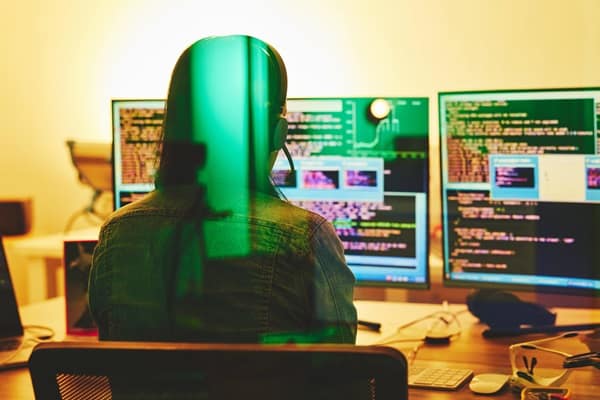
Quantum Computing Security addresses the delayed exposure before the machine needed for the attack exists.
This isn’t a reason to rip out working systems next quarter. It is, however, a reason for boards and security leaders to treat cryptographic migration as a business program rather than an experiment for the research team.
London firms exchange long-lived confidential data across dense commercial networks. One weak dependency can outlast several refresh cycles.
Why quantum risk has a London business context
Most discussions start with a future computer breaking RSA or elliptic-curve cryptography. That’s accurate, but narrow. The business concern is that public-key cryptography supports identities, software signatures, VPN connections, certificates, payment channels, and trust between machines.
The timing is awkward. Nobody can give a dependable date for a cryptographically relevant quantum computer.
Yet some information created in London must remain confidential for years: legal strategy, patient records, infrastructure designs, protected financial data and intellectual property.
Article Intelligence
Topics
Regulation Signal
in progressUpdated a month ago
SEC Crypto Asset Market Structure RulemakingRelated Coverage
 Artificial IntelligenceAI model development needs a security fix, but how?an hour ago · 1 min read
 Artificial IntelligenceZero trust AI agents demand a different kind of security3 hours ago · 3 min read
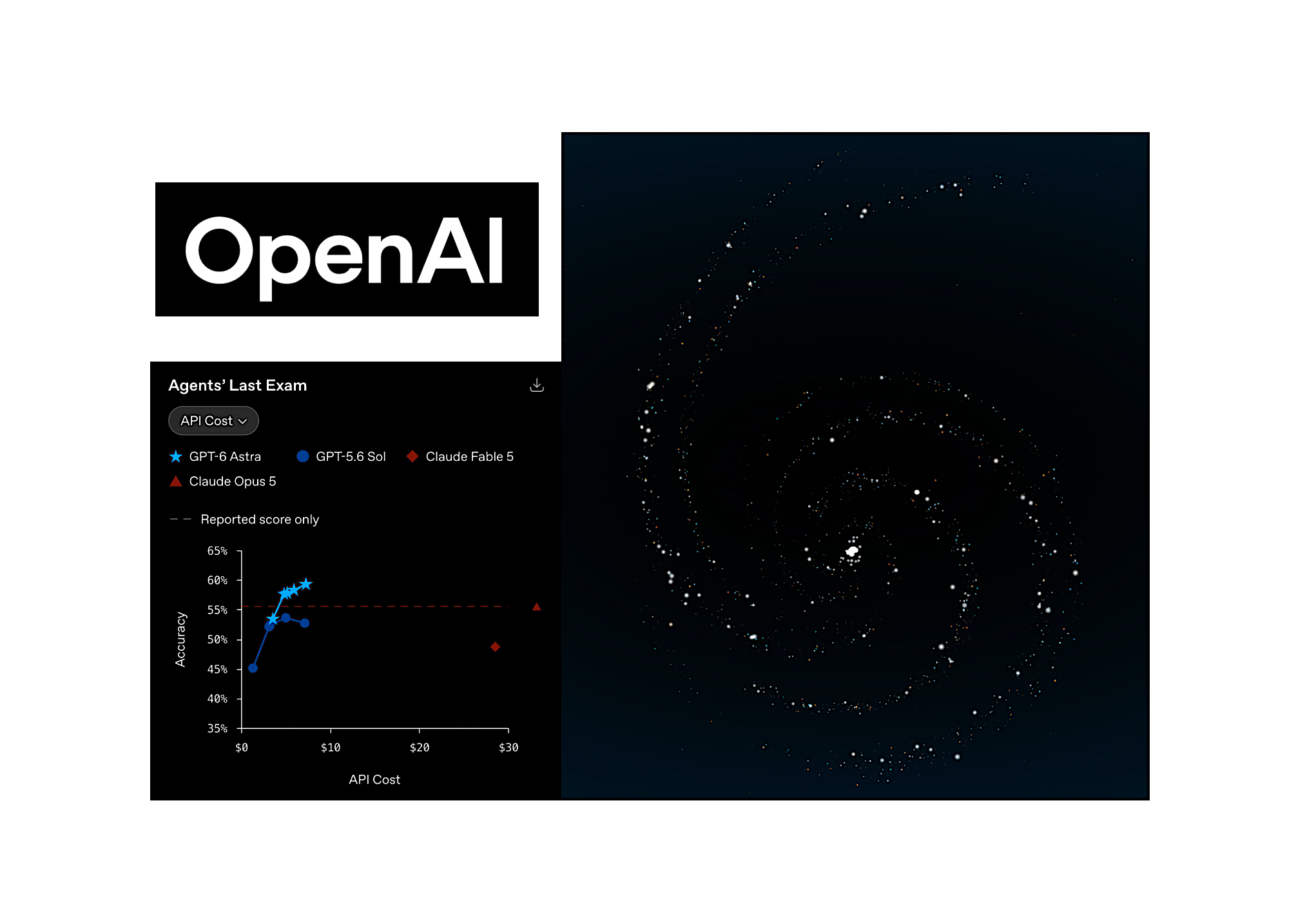 Artificial IntelligenceHarvey + Legora on OpenAI’s GPT-6 Astra37 minutes ago · 5 min read
Sponsored
Ad
NewsLayerLearn more
NewsLayer Premium
Unlock deeper intelligence.
Ad-free reading, exclusive research, and real-time onchain insights.
Go Premium