
HRL Laboratories, an IBM company, is developing a fundamentally different approach to quantum computing by pursuing spin qubits. Unlike IBM’s more established superconducting transmon qubits, spin qubits encode information using the spin state of individual electrons, a property that can point up or down, representing the zeros and ones of computation. These qubits require trapping individual electrons in structures called quantum dots, using layers of silicon and silicon-germanium. Achieving superposition and entanglement with spin qubits is key to realizing the potential of quantum computing and solving problems beyond the capabilities of current technology.
HRL Laboratories, An IBM Company, Develops Spin Qubit Research
HRL Laboratories, an IBM company, is developing a fundamentally different approach to quantum computing by pursuing spin qubits. Unlike IBM’s more established superconducting transmon qubits, spin qubits encode information using the…
Quantum Zeitgeist
Publisher
Nov 13, 2026 at 9:51 AM UTC · 4 min read

HRL Laboratories Develops Exchange-Only Spin Qubit Architecture
HRL Laboratories recently demonstrated a complete quantum system incorporating 54 quantum dots, capable of hosting up to 18 qubits, and implemented a simple quantum-error-detecting code on the platform. This achievement centers on an exchange-only spin qubit architecture, a distinct approach to quantum information processing pursued alongside IBM’s superconducting transmon qubits. Unlike the microwave control used in some spin qubit designs, this architecture relies on baseband voltage pulses, mirroring techniques used in conventional electronics, though requiring many of them.
Article Intelligence
Related Coverage
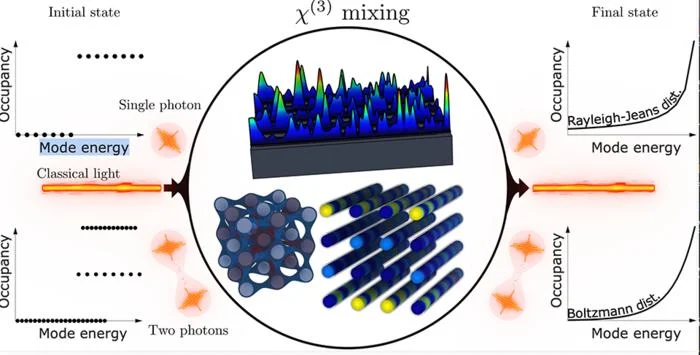 ResearchClassical Light Dynamics Could Help Simulate Quantum Interactions2 hours ago · 3 min read
 QuantumResearch advances quantum computing that harnesses speed of light18 hours ago · 1 min read
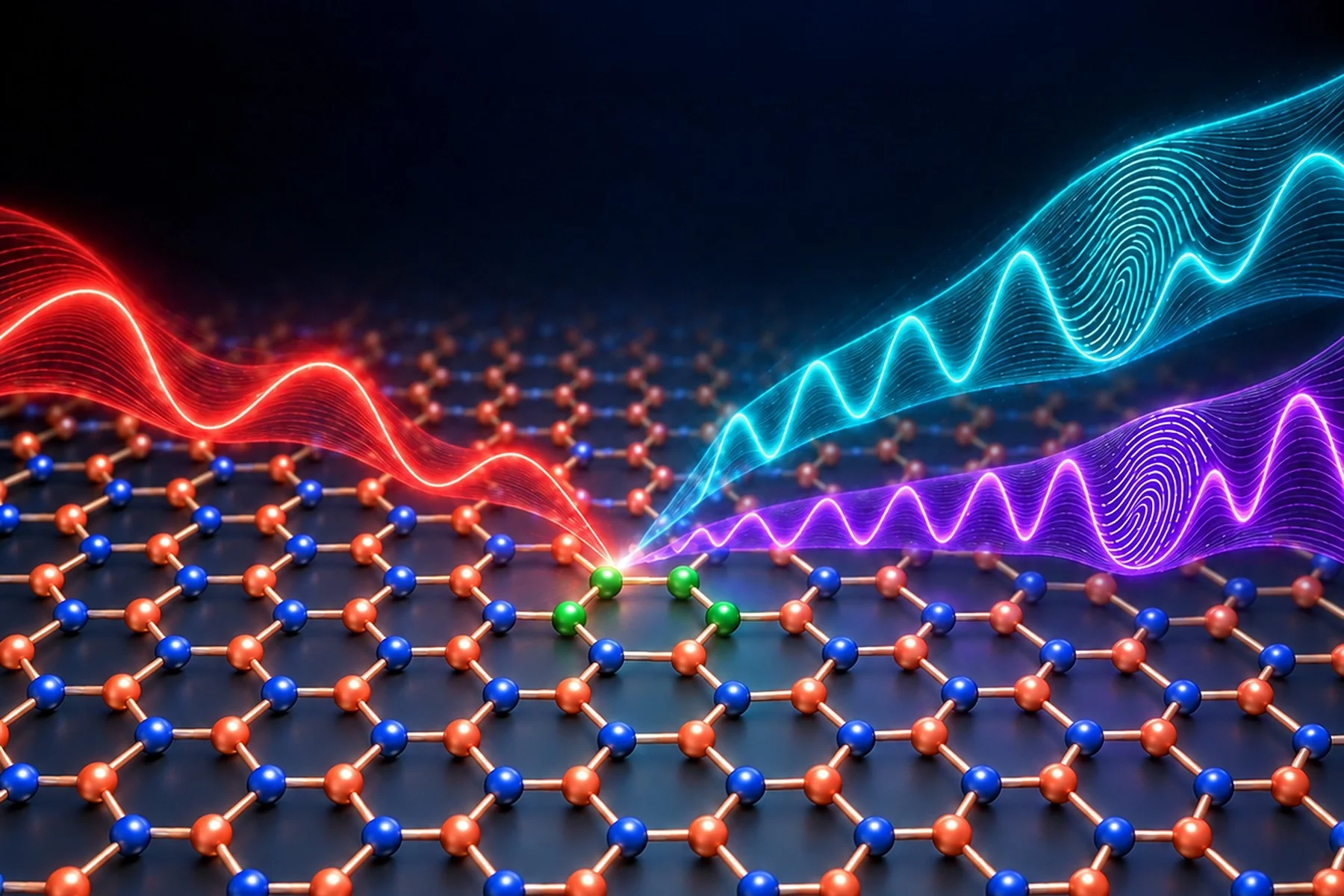 ResearchUniversity at Buffalo Study Decodes Quantum Material’s ‘Optical Dingerprints’2 hours ago · 3 min read
Sponsored
Ad
NewsLayerLearn more
NewsLayer Premium
Unlock deeper intelligence.
Ad-free reading, exclusive research, and real-time onchain insights.
Go Premium