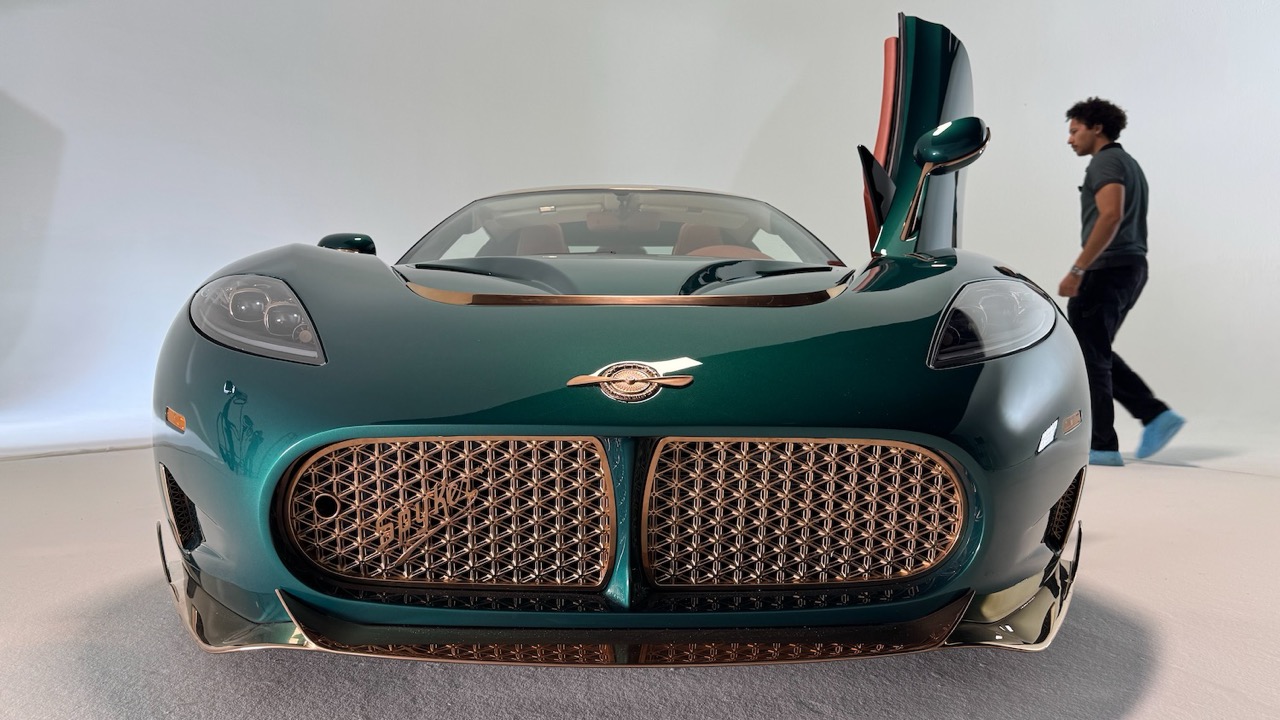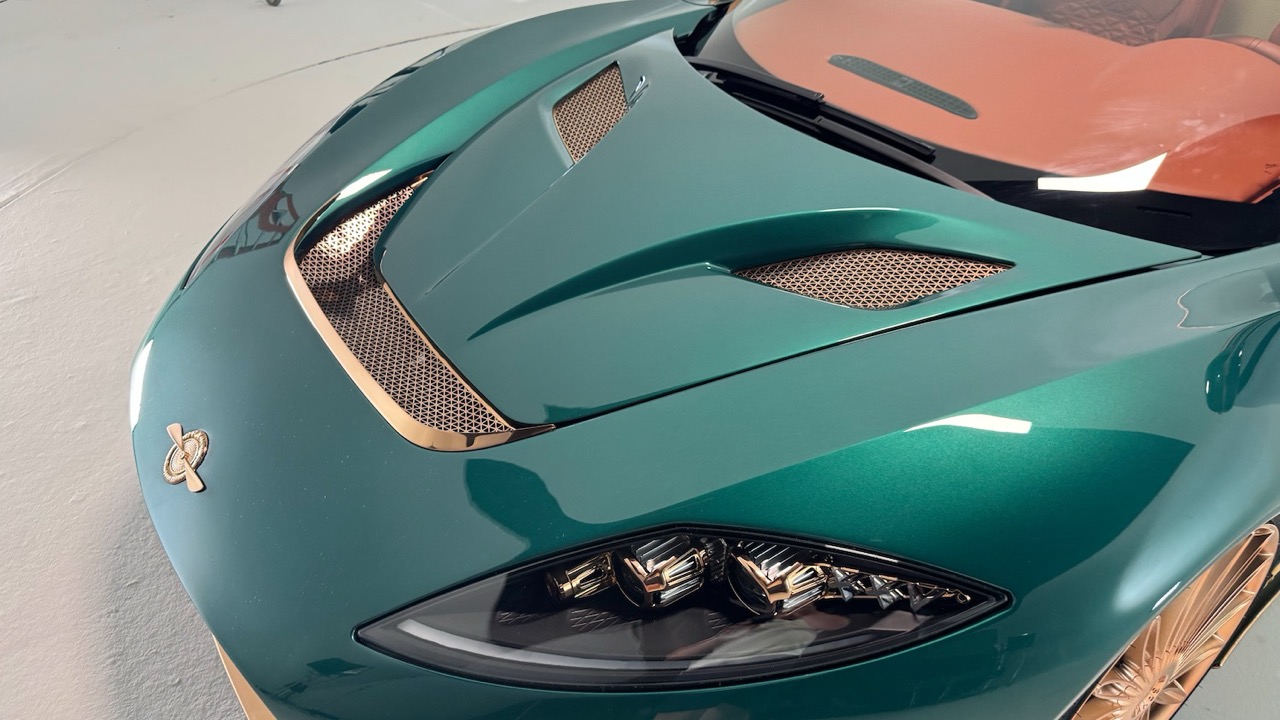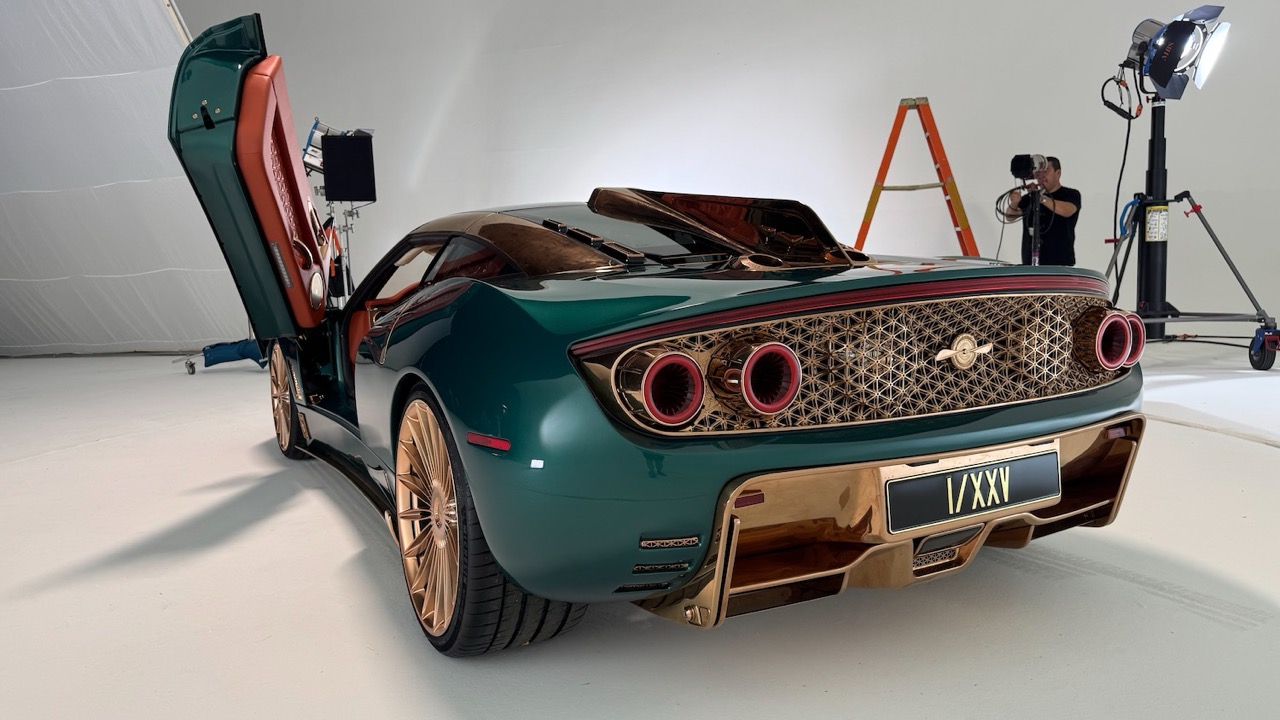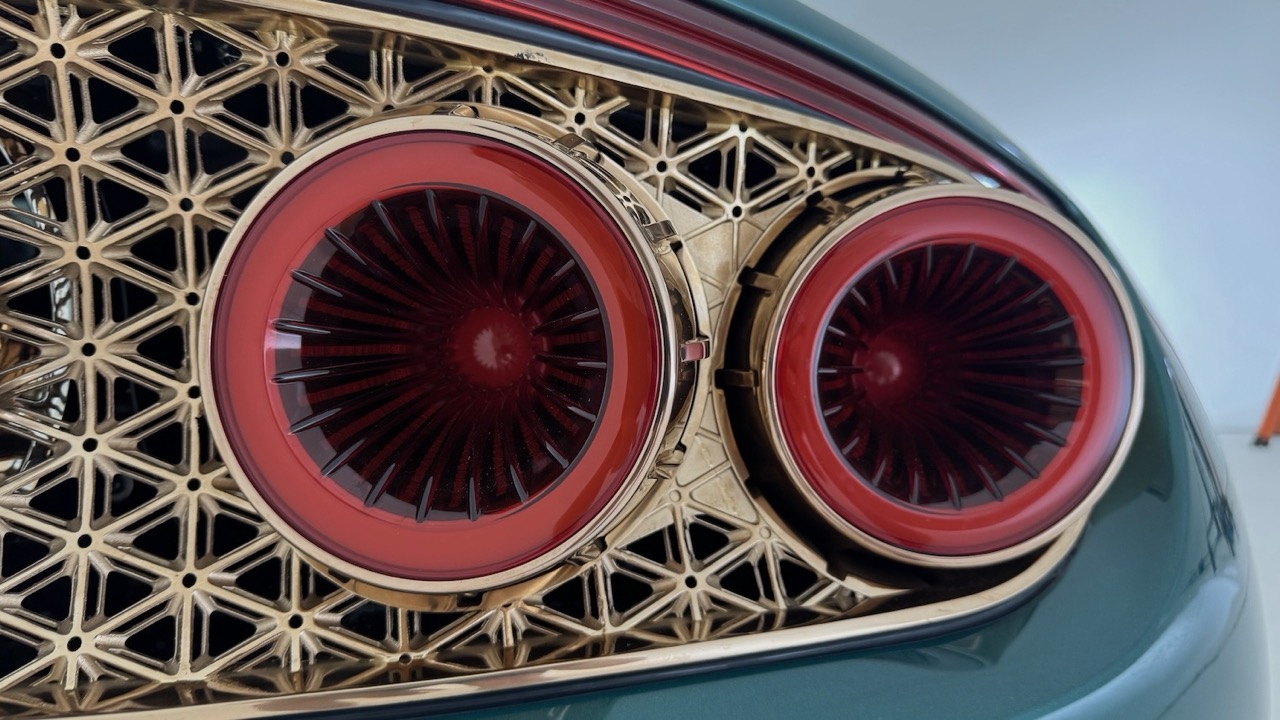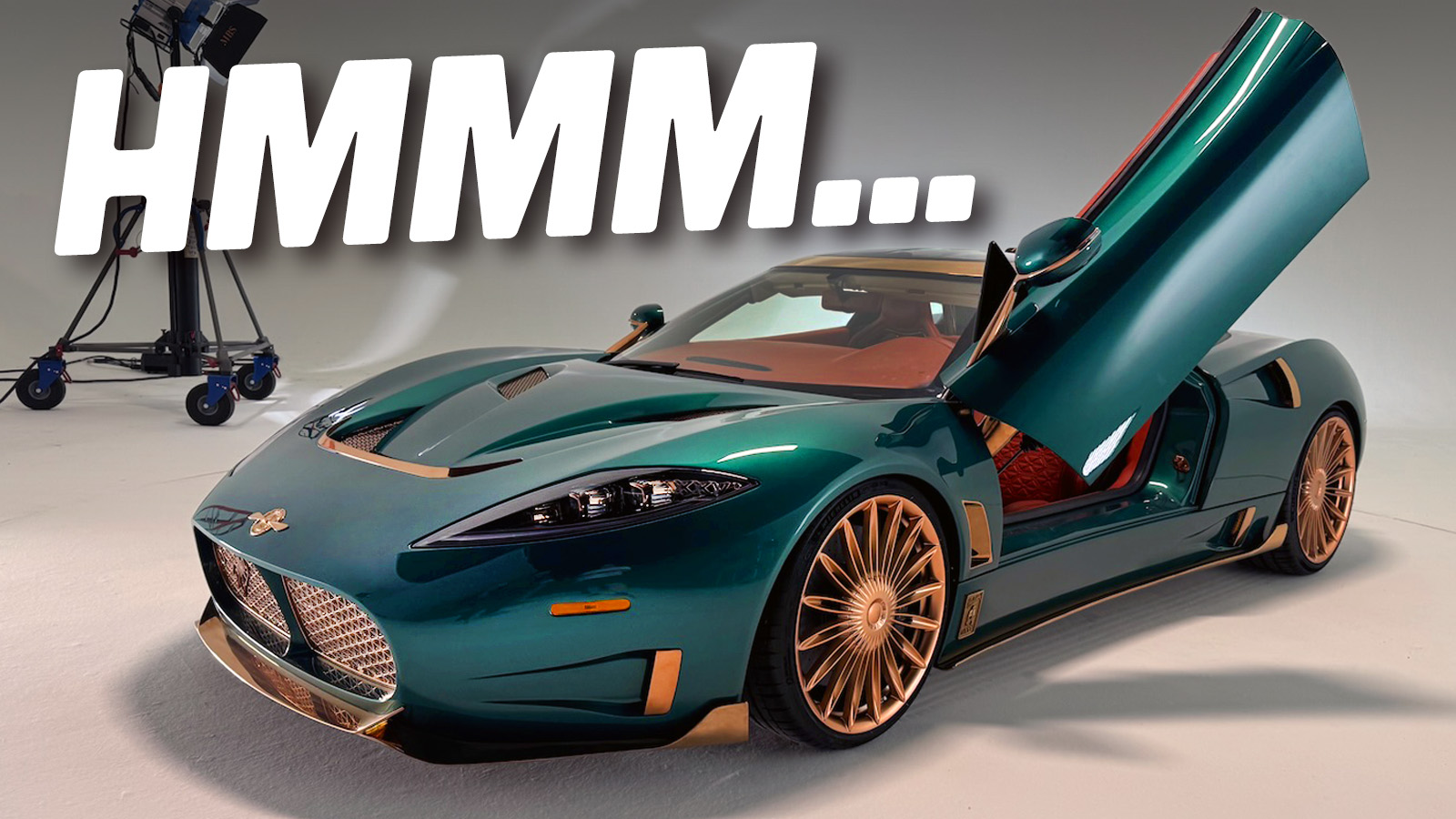
Victor Muller, one of the two men who brought the Dutch supercar brand Spyker to life 26 years ago, is back with a new car called the C8 Preliator XXV. And while it’s a nice looking car, it’s still not fully assembled, Spyker claims to have developed it in four months, and there’s a very new investor who’s in the business of crypto/blockchains. Let’s have a look at the machine, and discuss my conversation with Victor and this new investor.
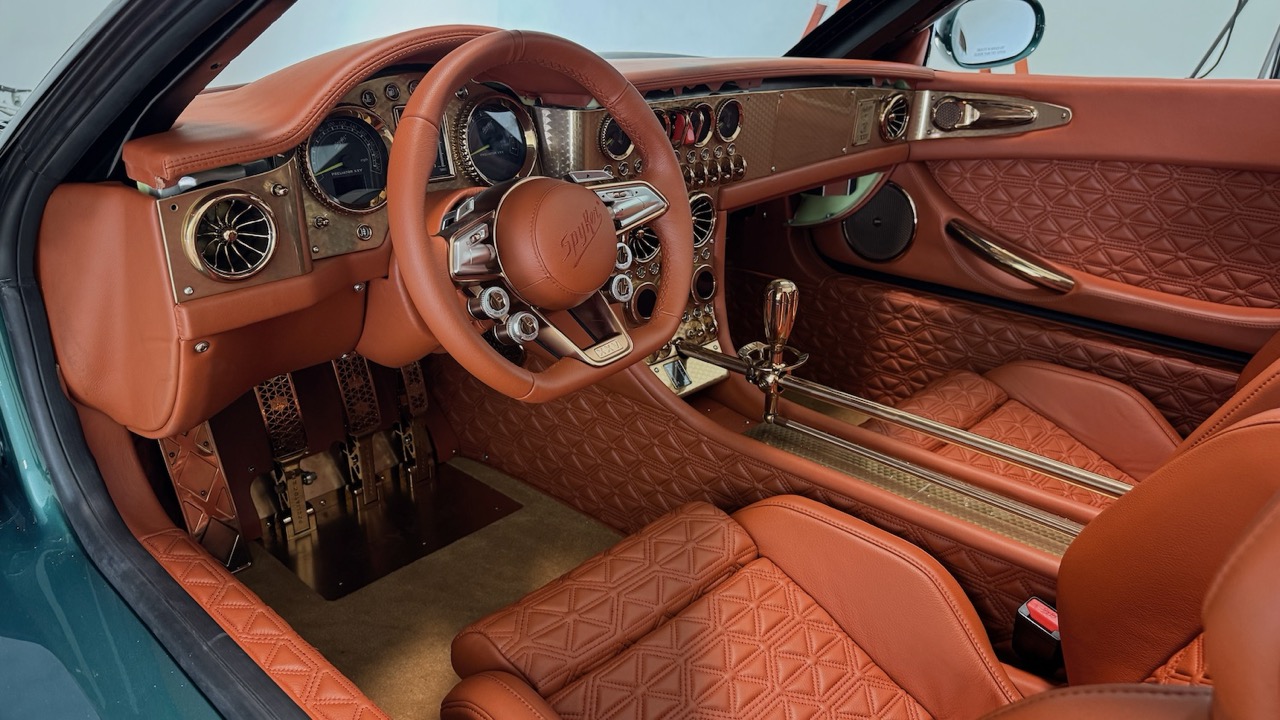
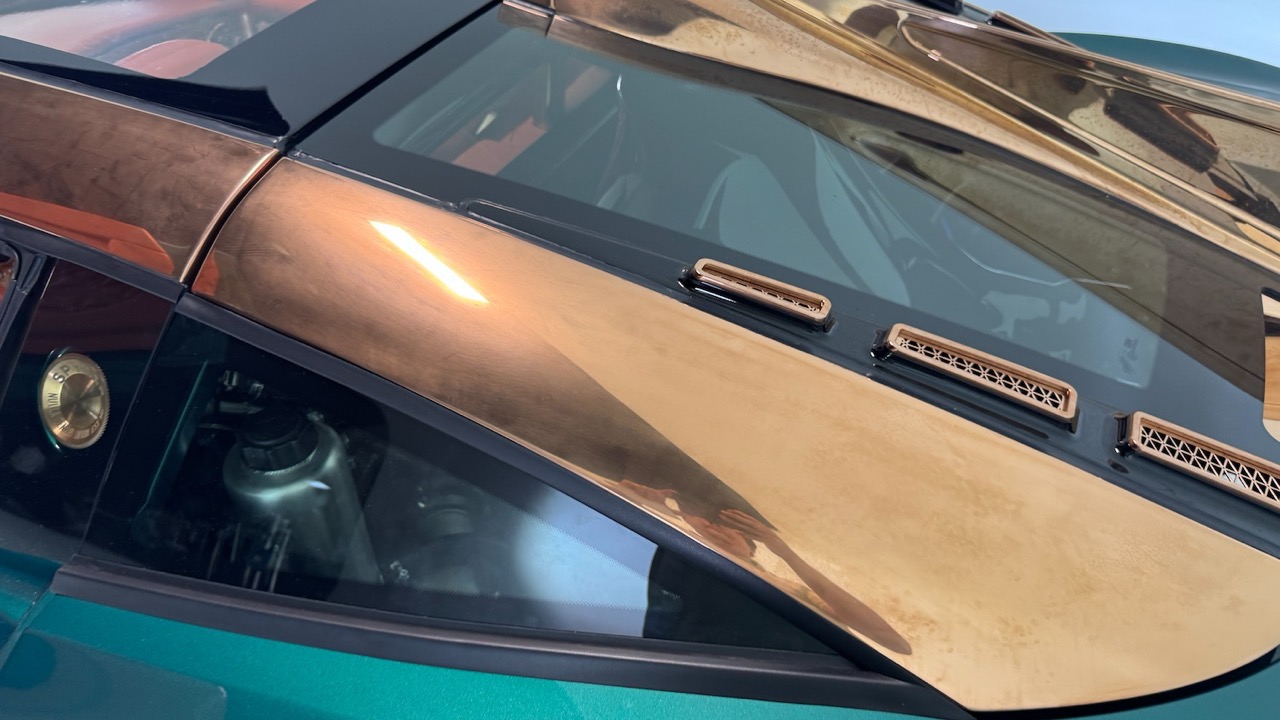
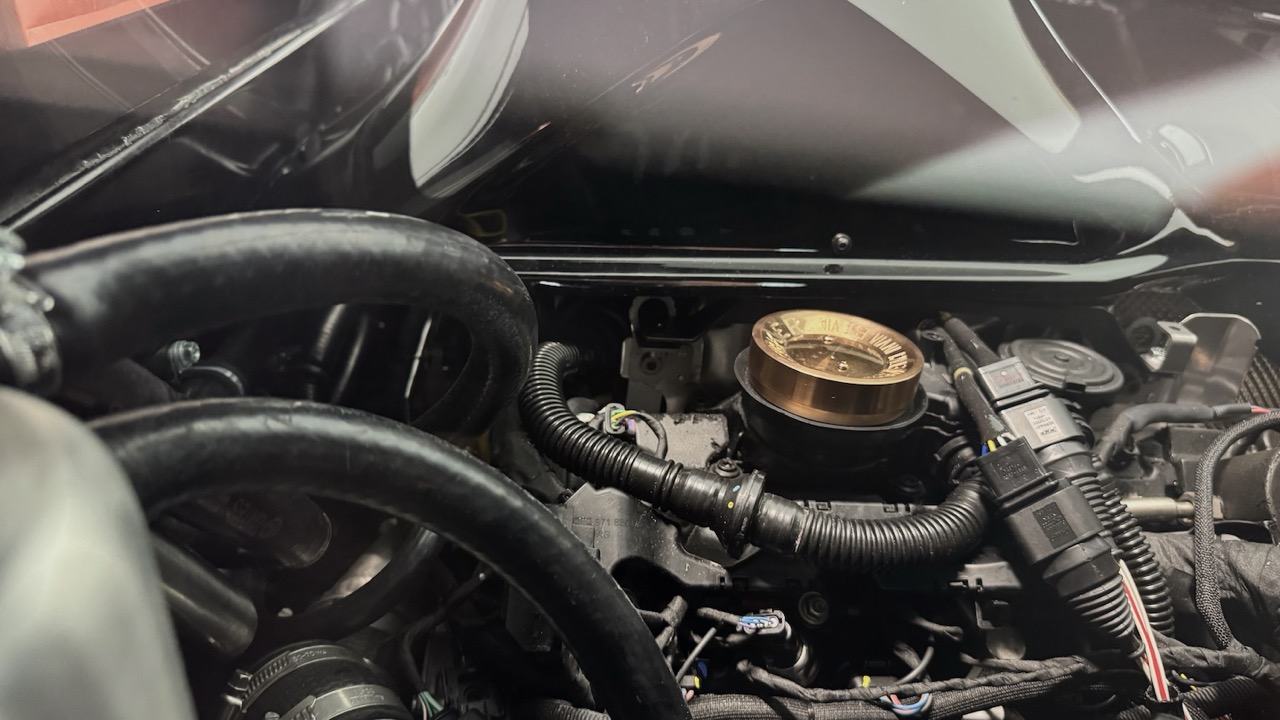
Spyker invited me to Long Beach to have a peek at its new car, the C8 Preliator XXV, which had apparently just arrived in LA and was therefore not entirely complete. The top of the dashboard, for example, was not yet attached, the passenger’s side lower dash was non existent, and there was no A-pillar trim.
Here’s a look:

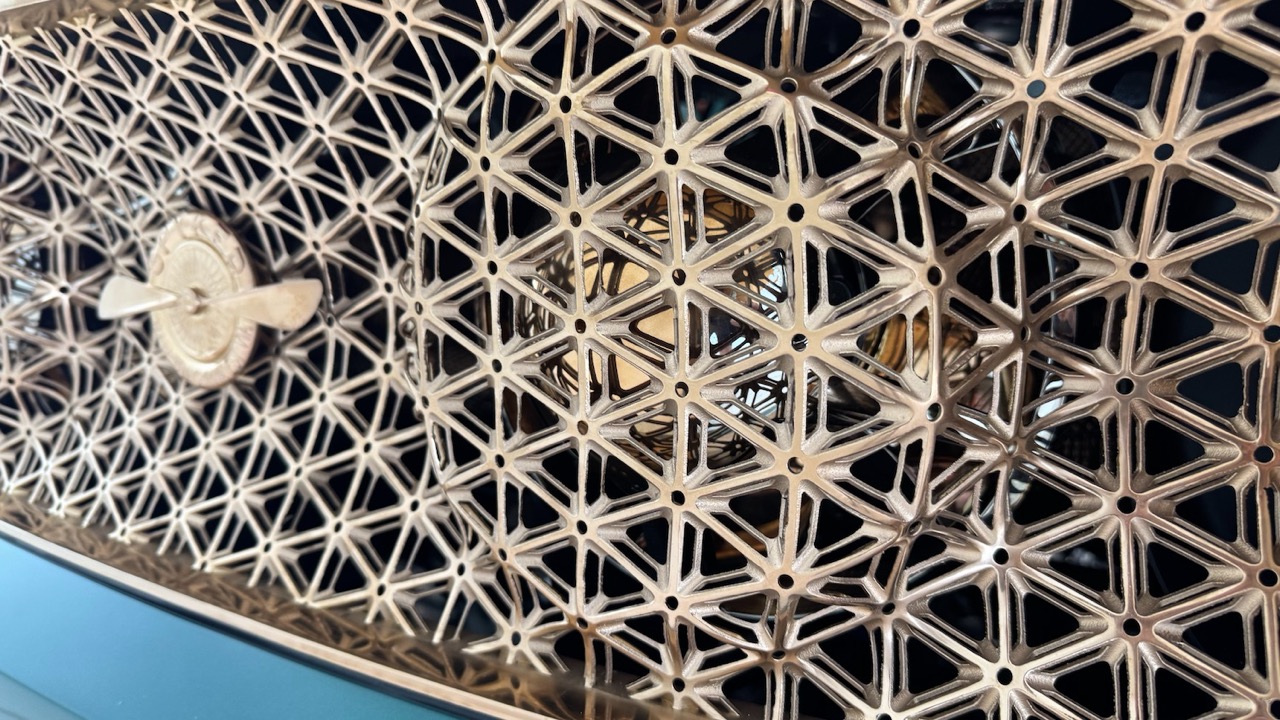
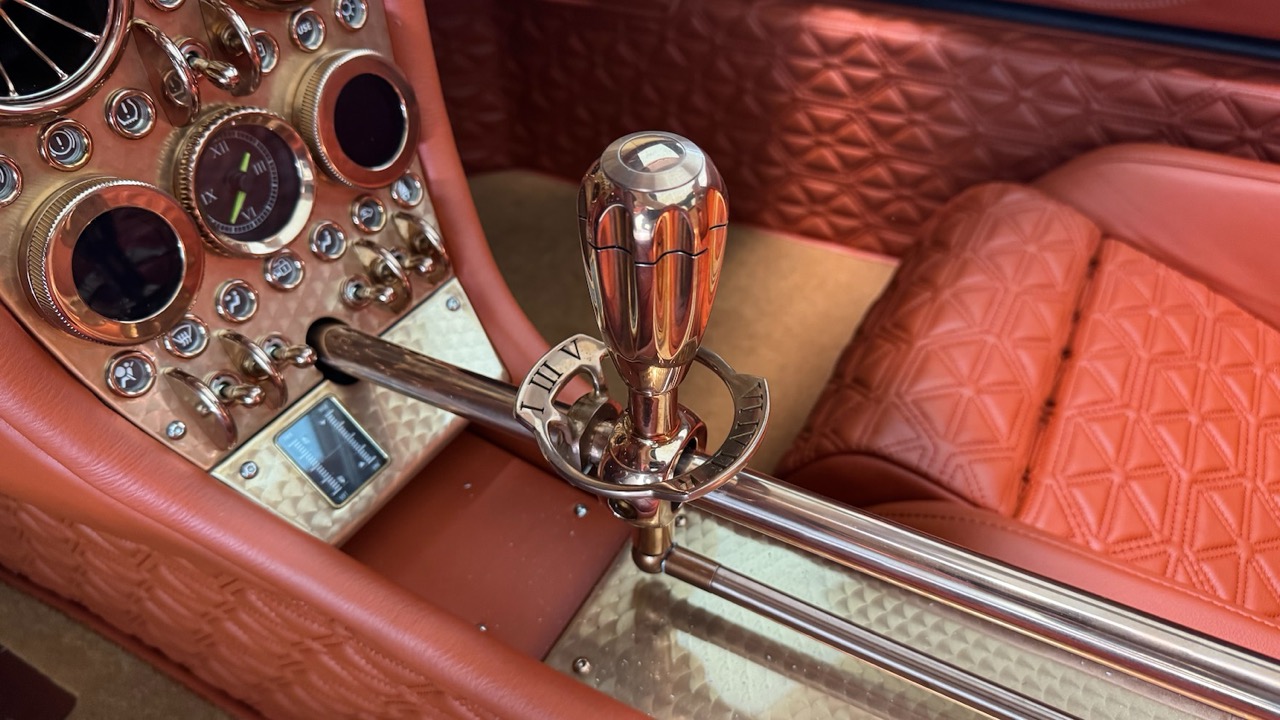
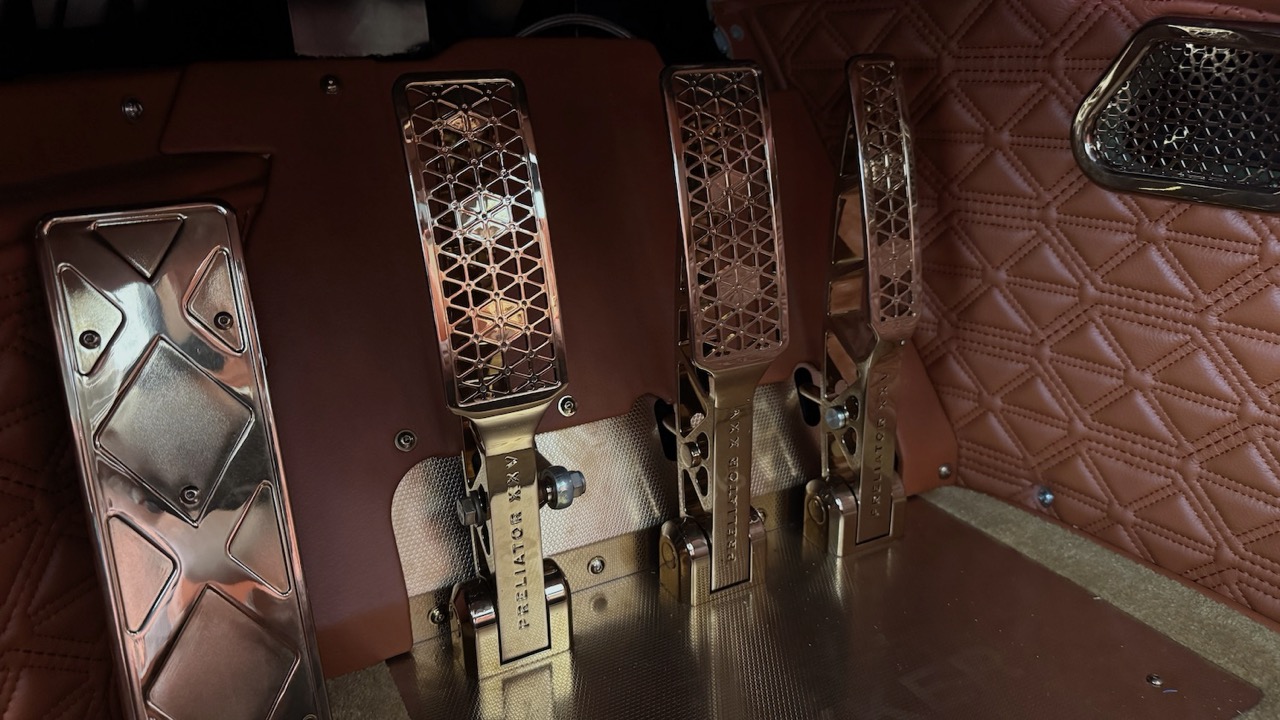
Beyond that, though, the car looked quite nice. As someone who has just driven a Spyker C8, I think the C8 Preliator XXV feels sufficiently Spyker-esque. From the quilted leather to the stylish HVAC vents to the enormous swath of mechanical switchgear on the center stack to that amazing exposed shifter linkage, there is lots of old-Spyker design in this new Spyker model.
But how new is it actually? That’s not entirely clear to me. Spyker’s press release says it’s entirely fresh:
Far more than the evolution of an existing model, the Spyker C8 Preliator XXV Coupé is an entirely new automobile. Conceived from a clean sheet of paper, it combines uncompromising craftsmanship, aviation inspired engineering and modern performance while remaining faithful to the design philosophy that has defined Spyker since the beginning: creating automotive art in motion, its designs akin to an aircraft for the road.
Per Muller, the vehicle went from a hand sketch (Victor says he designed the car himself) to a hand-built body-in-white between April 1 and June 10. That’s only just a couple of months to go from a sketch to an entire skeleton, and per Muller, that was all thanks to the coachbuilding experts at Coventry Prototype Panels.
I pressed Victor Muller on the idea of this car being developed on such a short timeline, saying that surely there must have been some borrowing from another chassis. “Absolutely,” he admitted, “there was [some existing chassis technology], but we modified everything about the chassis,” he told me, mentioning the new 800 horsepower Audi 4.0-liter V8 engine hooked to a six-speed Graziano Oerlikon manual transmission. “That’s a major change to the rear subframe,” he said. “Secondly, we moved the fuel tanks from the sills into the firewall. Major undertaking.”
So the car clearly started, at least a little bit, with an existing C8, but Spyker “dramatically re-massaged” it, as Muller put it. And they did so in a ridiculsouly short amount of time. The body came together in Coventry between April 1 and June 10th, when the car went to the Netherlands to be painted. On June 30th the body was complete and, in August, all the mechanicals and interior and electrical and, well, pretty much the entire car had been not just assembled, but ideated and built.
Can you build a car in four months? Yes. And if you look at other automakers like Tesla (with the Roadster) and Scout (with the Terra and Traveler), you’ll see that a number of automakers “cobble” together a concept car to bring in pre-orders and investment, only to then spend years doing the actual development work. I suspect that’s what’s going on here. That is to say: I doubt this vehicle is even close to being fully developed, especially if it’s meant to be all-new. Truly developing a car takes well over four months.
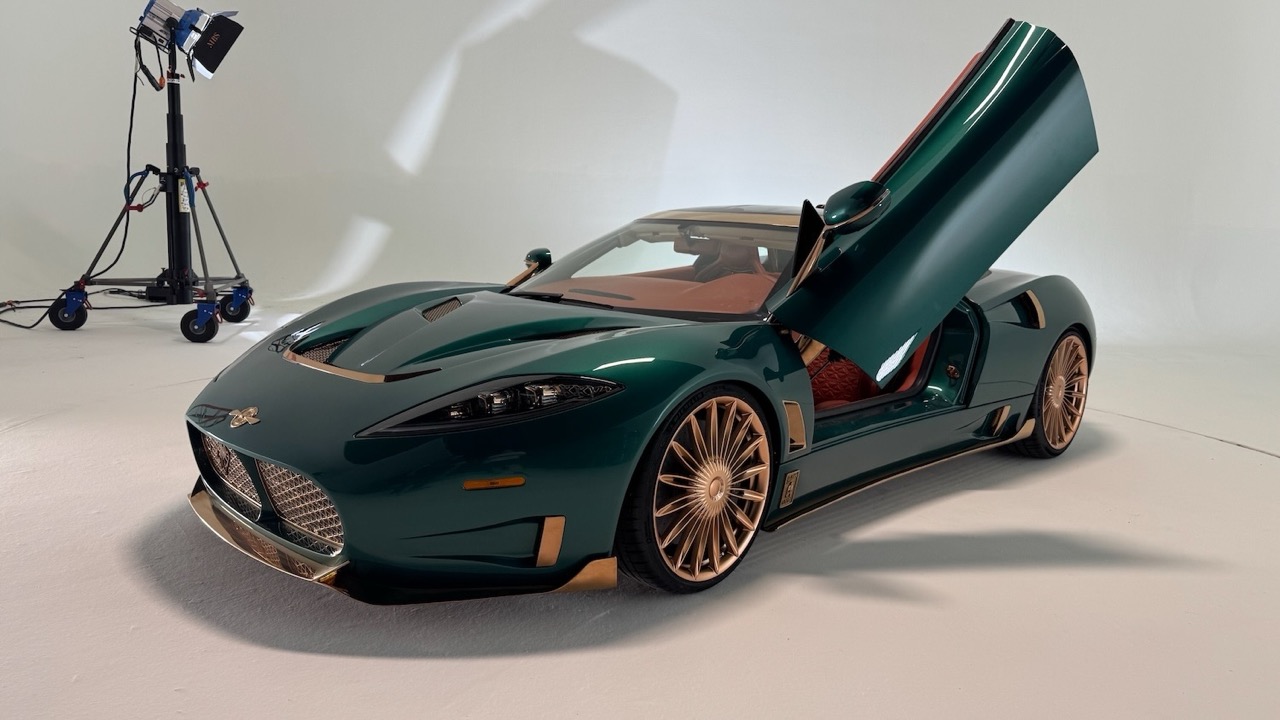
In any case, let’s have a look at some features.