

NEC has stopped development of a working quantum computer, the technology group revealed on September 5, 2026, after concluding that a return on investment would take too long, the company says. This decision marks a change for NEC, which has conducted quantum computing research since the 1990s. Meanwhile, Japan announced plans to send 30,000 young scientists abroad to study AI and quantum research, a move that highlights a national ambition that contrasts with this private-sector decision. According to the company, development would likely take too long to generate a return on investment.
breaking
Japan's NEC Halts Quantum Build, Cites Investment Concerns
NEC has reportedly halted a quantum computing build, citing concerns about the level of investment required. The move highlights the financial challenges facing large-scale quantum technology development in Japan.
Quantum Zeitgeist
Publisher
Sep 6, 2026 at 7:23 PM UTC · Updated 3분 전 · 3 분 소요
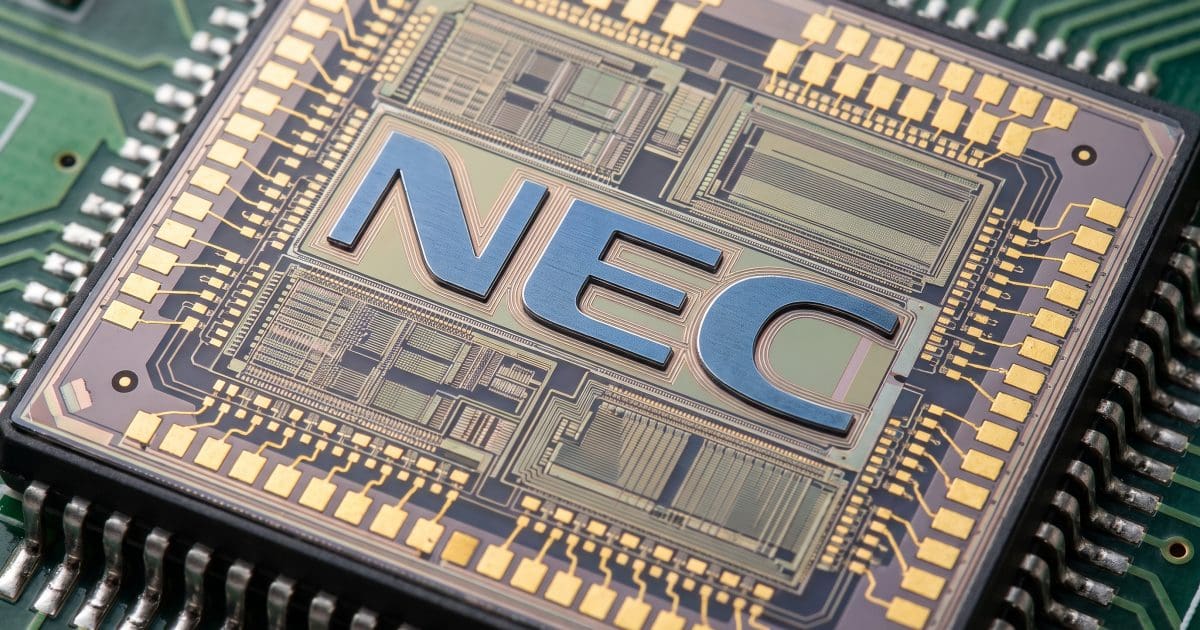
번역 중…
NEC has long been a pioneer in quantum computing, becoming the first company in the world to demonstrate qubit operation with a superconducting solid-state device in 1999 and later achieving a highly sensitive qubit readout using a superconducting parametron circuit in 2014. Today it pursues both major approaches—gate-based quantum computers and quantum annealing—through the NEC-AIST Quantum Technology Cooperative Research Laboratory. On the gate-based side, NEC serves as project manager for a superconducting-circuit effort under Japan’s Moonshot program, which aims to realize a fault-tolerant quantum computer by 2050.
Article Intelligence
Topics
Sponsored
Ad
NewsLayerLearn more
NewsLayer Premium
Unlock deeper intelligence.
Ad-free reading, exclusive research, and real-time onchain insights.
Go Premium