
Insider-Bericht
Neues Tantal-Verfahren könnte Herstellung supraleitender Quantenchips erleichtern
Insider Brief PRESSEMITTEILUNG — Um Quantencomputing zu kommerzialisieren, benötigen Hersteller hochwertige supraleitende Materialien für Mikrochips, aber sie brauchen auch ein zuverlässiges, nachhaltiges Nanofabrikationsverfahren. Tantal ist ein korrosionsbeständiges Metall, das das erste Kriterium erfüllt, das zweite jedoch nicht. Das liegt daran, dass es bei Temperaturen auf ein Substrat aufgetragen werden muss, die normalerweise 400 […] überschreiten.
Matt Swayne
Publisher The Quantum Insider
Aug 19, 2026 at 8:19 AM UTC · Updated vor 2 Monaten · 5 Min. Lesezeit
Key Signal
200°C New deposition temperature
Last Updated
vor 2 Monaten
- Cornell-Forscher entwickelten einen Krypton-basierten Sputter-Prozess, der hochwertige supraleitende Tantal-Schichten bei 200 Grad Celsius auf Silizium abscheidet, was das Material potenziell einfacher in die kommerzielle Quantenchip-Fertigung integrierbar macht.
- Die Methode senkt die typische Tantal-Abscheidungstemperatur um etwa die Hälfte und erzeugt gleichzeitig dünne Schichten mit wesentlich höherer elektronischer Leitfähigkeit und hochwertigen Qubits.
- Die Forscher erklärten, dass der Prozess mit niedrigeren Temperaturen ein breiteres Fertigungsfenster für die Halbleiterherstellung bietet und dazu beitragen könnte, Material- und Nanofabrikations-Herausforderungen beim supraleitenden Quantencomputing zu bewältigen.
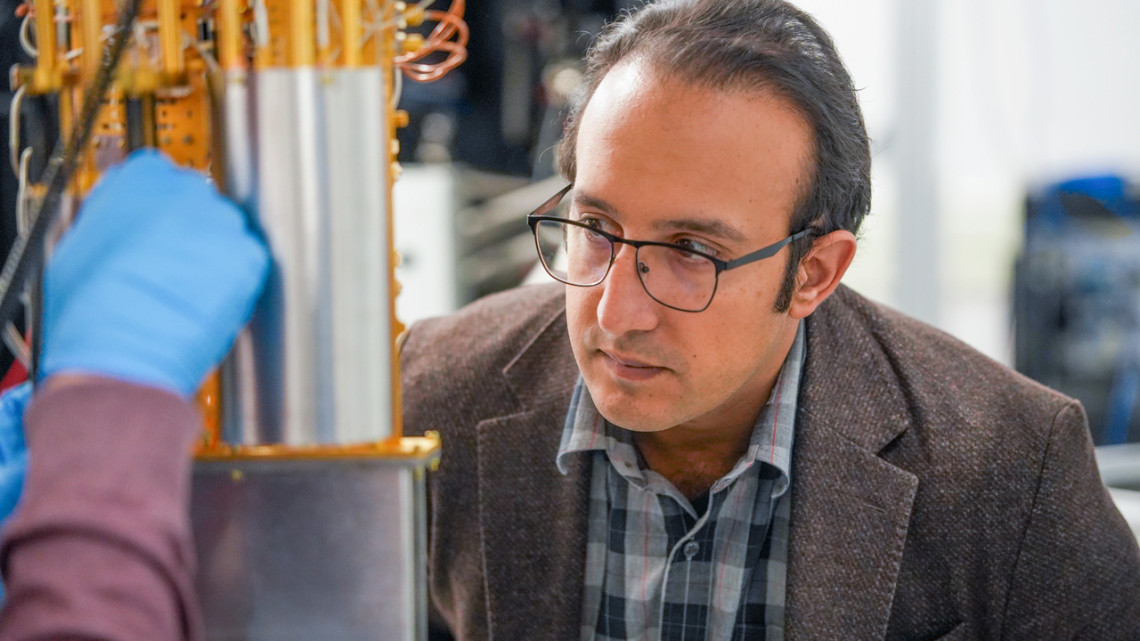
- Bild: Ein Team unter der Leitung von Valla Fatemi, Assistenzprofessor an der School of Applied and Engineering Physics in Duffield Engineering, entwickelte eine Methode, die Kryptongas verwendet, um die Abscheidungstemperatur des korrosionsbeständigen Metalls Tantal drastisch zu senken, was zu dünnen Schichten mit wesentlich höherer elektronischer Leitfähigkeit führt. (Bridget Reinsko/Bereitgestellt)
PRESSEMITTEILUNG — Um das Quantencomputing zu kommerzialisieren, benötigen Hersteller hochwertige supraleitende Materialien für Mikrochips, aber sie erfordern auch einen zuverlässigen, nachhaltigen Nanofabrikationsprozess.
Article Intelligence
Regulation Signal
in progressUpdated vor 2 Monaten
SEC Crypto Asset Market Structure RulemakingRelated Coverage
 QuantumPentagon expands quantum computing push to secure military tech edgevor 15 Stunden · 2 min read
 QuantumUltraviolet laser pulses engineer diamond defects selectively, leaving quantum qubits intactvor 7 Stunden · 1 min read
 BlockchainBlockchain.com Seeks CFTC Approval to Expand Into US Prediction Marketsvor 2 Stunden · 1 min read
Sponsored
Ad
NewsLayerLearn more
NewsLayer Premium
Unlock deeper intelligence.
Ad-free reading, exclusive research, and real-time onchain insights.
Go Premium