
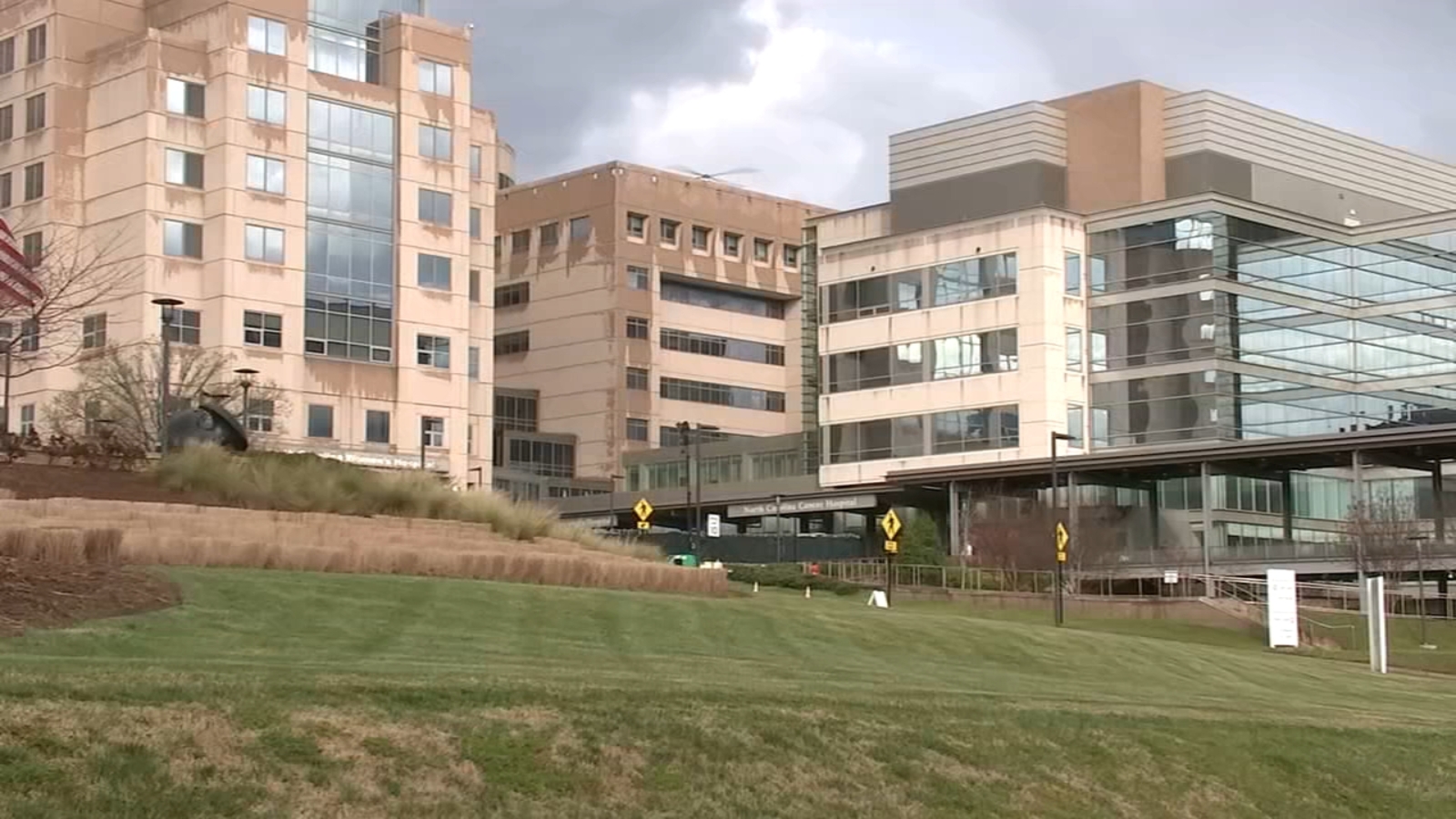
CHAPEL HILL, N.C. -- Tuesday morning, the UNC Lineberger Comprehensive Cancer Center announced it has received $40 million from the OpenAI Foundation.
OpenAI foundation gifts UNC Lineberger Comprehensive Cancer Center $40 million to make vaccines more effective for patients
CHAPEL HILL, N.C. -- Tuesday morning, the UNC Lineberger Comprehensive Cancer Center announced it has received $40 million from the OpenAI Foundation.
ABC7 Los Angeles
Publisher
Sep 15, 2026 at 1:41 PM UTC · 2 min read
The foundation is the nonprofit parent organization that governs the for-profit company OpenAI Group PBC.
The grant funding will be used to generate data that could make personalized cancer vaccines more effective.
Creating a better vaccine
Here's how the grant will be used, according to a news release from UNC Lineberger.
"Personalized cancer vaccines are finally starting to show signs of clinical efficacy, but many fail in the development process because they are too arbitrary," said Dr. Alex Rubinsteyn, who is an expert in machine learning and computational medicine at the UNC School of Medicine.
"Our goal is to help the world design personalized and more effective cancer vaccines, using the power of rich data and artificial intelligence."
The announcement comes as the OpenAI Foundation launches its second science program, Public Data for Health. The initiative supports high-quality, open-access scientific data sets that researchers and AI tools worldwide can use to advance life science and disease research for the public good.
"AI has enormous potential to help researchers design better cancer treatments, but that progress depends on having the right biological data to learn from," said Jacob Trefethen, Head of Life Sciences and Curing Diseases at the OpenAI Foundation. "UNC's work will generate data that researchers don't have at the scale they need today and make those findings broadly available so scientists around the world can build on them. By giving the broader scientific community a stronger foundation to work from, we hope to open up new possibilities for cancer research and ultimately help more patients benefit from advances that once felt out of reach."
Article Intelligence
Sponsored
Ad
NewsLayerLearn more
NewsLayer Premium
Unlock deeper intelligence.
Ad-free reading, exclusive research, and real-time onchain insights.
Go Premium