

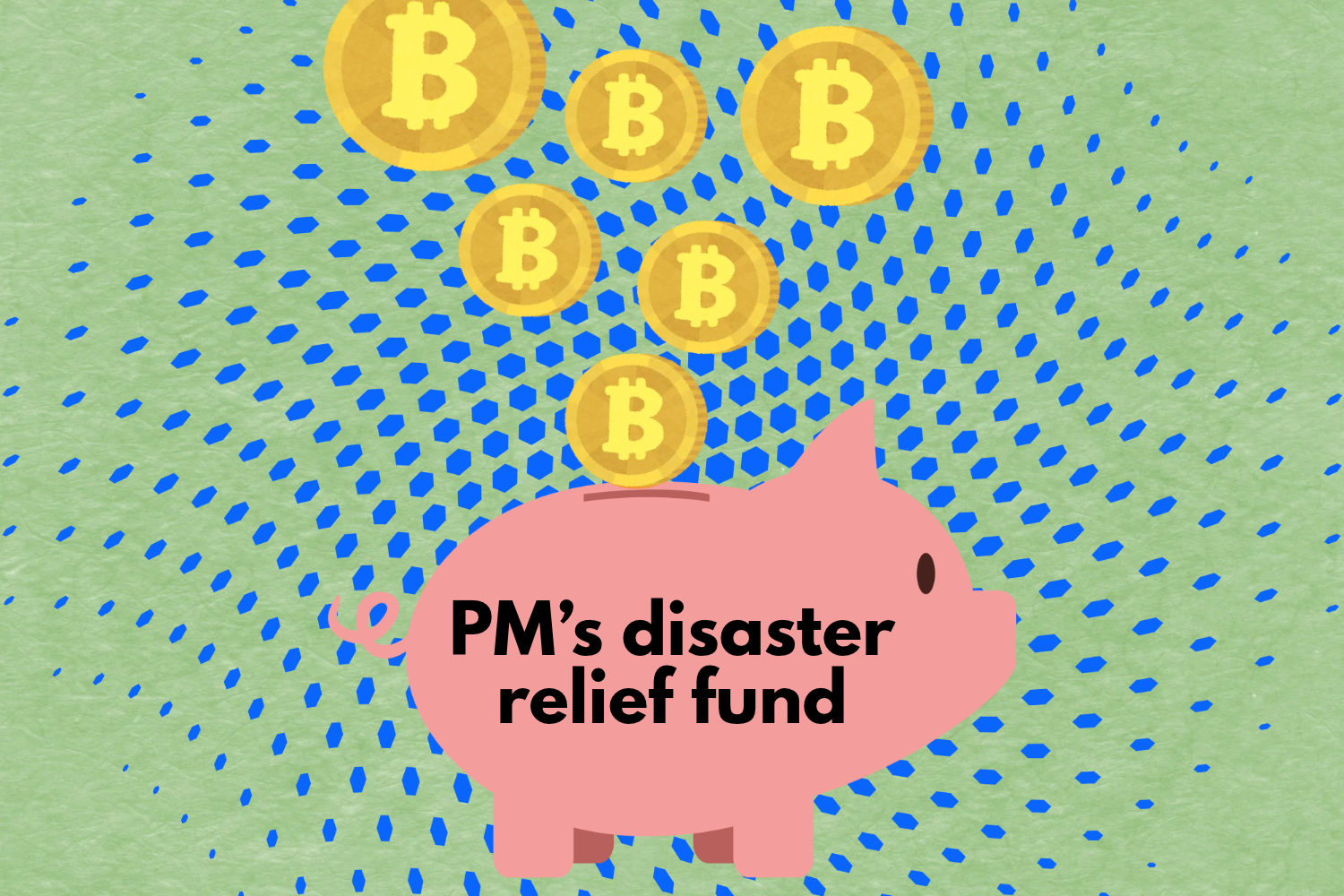
Disaster-relief donations that began as cryptocurrency recently found their way into Nepal’s formal banking system and on to the Prime Minister’s disaster relief fund. The money was converted into the stablecoin USDC, then into fiat currency, before it entered the banks. What Nepal received was fiat, not cryptocurrency. But funds had a crypto origin, raising questions under the country’s restrictive legal framework.
Opinion | Why Nepal must separate crypto from the future of banking
Disaster-relief donations that began as cryptocurrency recently found their way into Nepal’s formal banking system and on to the Prime Minister’s disaster relief fund. The money was converted into the stablecoin USDC, then into fiat…
The Kathmandu Post
Publisher
Nov 22, 2026 at 1:16 AM UTC · 4 分钟阅读
翻译中…
Crypto aficionados in Nepal called the arrangement whitewashing. A Nepali citizen receiving similar money, they note, could have faced criminal charges.
The episode points to a bigger problem. Two other developments elsewhere show finance moving off-chain services to an on-chain system. In India, the Securities and Exchange Board of India (SEBI), in association with the Reserve Bank of India (RBI), launched Demat 2.0 to tokenise corporate bonds using distributed ledger technology (DLT). And SWIFT rolled out a blockchain-based ledger, on which banks and financial institutions can issue, transfer, record and settle tokenised deposits.
Together they mark a structural shift from a system that messages payments and records assets in a centralised ledger to one that moves and records programmable digital value in a distributed ledger. That shift is outpacing Nepal’s policy vocabulary.
Article Intelligence
Topics
Related Coverage
 CryptoIndia’s Exchange Crisis: A Wake-Up Call for Crypto Banking1 小时前 · 1 min read
 PolicyCrypto Banking and the 24-Hour Won Settlement Shift1 小时前 · 5 min read
 CryptoSEC: 8 Fake Crypto Exchanges, $37M+ Alleged Fraud16 分钟前 · 1 min read
Sponsored
Ad
NewsLayerLearn more
NewsLayer Premium
Unlock deeper intelligence.
Ad-free reading, exclusive research, and real-time onchain insights.
Go Premium