

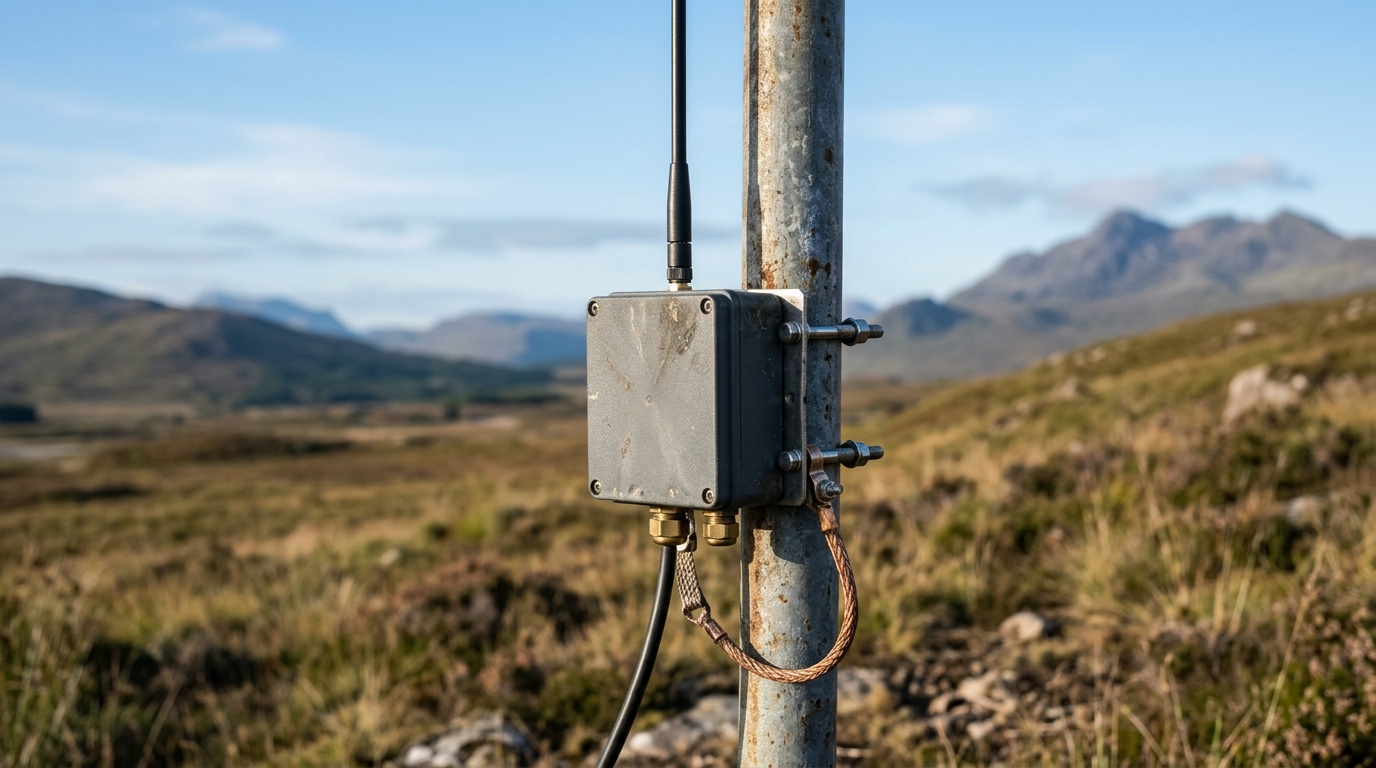
A controlled experimental investigation into secure wireless data transmission has revealed that integrating lattice-based post-quantum cryptography onto the physical layer of Long Range, or LoRa, networks nearly doubles transmission airtime and energy consumption, whereas lightweight symmetric encryption introduces virtually undetectable operational penalties. The peer-reviewed study, conducted by researchers Viacheslav Shkuratskyy, Aminu Bello Usman, Hamidreza Bagheri, Sam Hill, and Shuaib Karim Memon, evaluated the delicate operational balance between data compression, cryptographic protection, and physical-layer transmission efficiency. Deploying connected devices across environmental monitoring, precision agriculture, and critical infrastructure has historically relied on LoRa technology because of its robust chirp spread spectrum modulation, extensive geographic reach, and exceptionally low operating power. However, LoRa devices face strict duty-cycle regulations and an unyielding physical-layer payload ceiling of two hundred fifty-five bytes per frame. As edge artificial intelligence shifts computation and real-time inference directly onto remote sensor nodes, connected hardware increasingly must compress and transmit complex data structures such as visual images without violating regulatory bandwidth constraints or rapidly depleting compact battery reserves.
Post-Quantum Cryptography Nearly Doubles Transmission Time Across LoRa Wireless Networks
A controlled experimental investigation into secure wireless data transmission has revealed that integrating lattice-based post-quantum cryptography onto the physical layer of Long Range, or LoRa, networks nearly doubles transmission…
Bioengineer.org
Publisher
Nov 13, 2026 at 10:55 AM UTC · 7 phút đọc
Đang dịch…
Article Intelligence
Sponsored
Ad
NewsLayerLearn more
NewsLayer Premium
Unlock deeper intelligence.
Ad-free reading, exclusive research, and real-time onchain insights.
Go Premium