

President Trump agrees to new bipartisan ethics provision in massive crypto bill, GOP aide says
President Trump agrees to new bipartisan ethics provision in massive crypto bill, GOP aide says
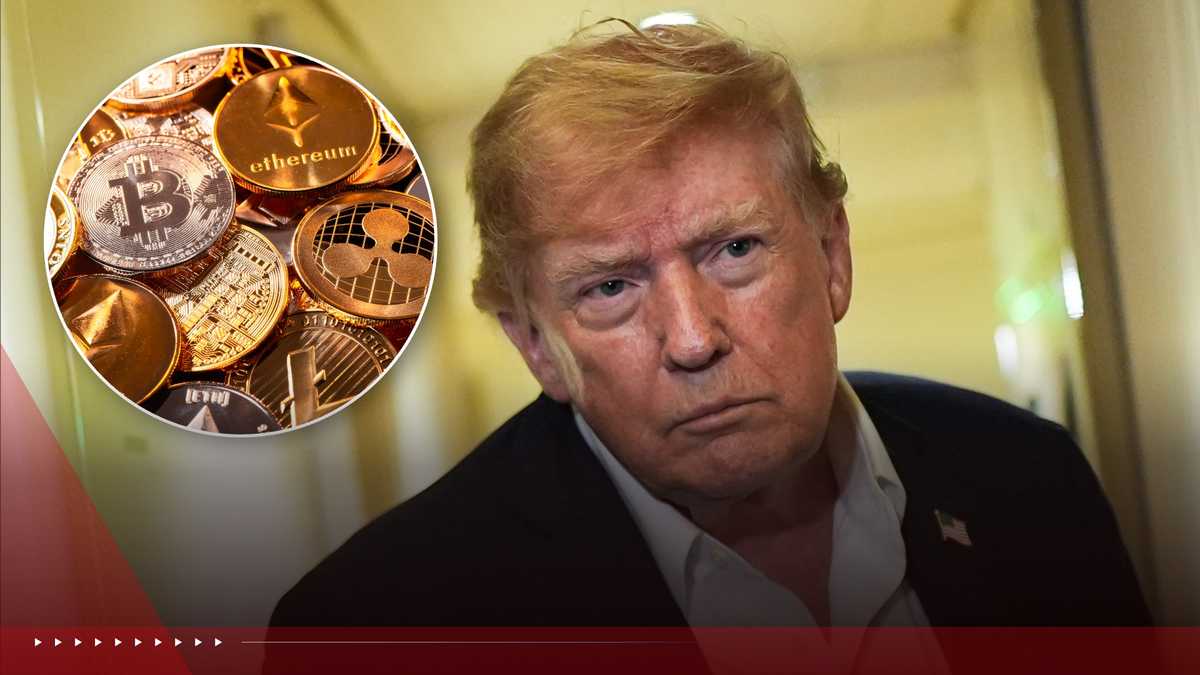
President Donald Trump has agreed to a significant portion of a stringent ethics proposal that is part of a broader cryptocurrency bill headed for a key vote this week, according to a senior GOP official involved in the negotiations.
WBAL-TV
Publisher
Sep 14, 2026 at 2:57 AM UTC · Updated 9 天前 · 2 分钟阅读
WASHINGTON —
President Donald Trump has agreed to a significant portion of a stringent ethics proposal that is part of a broader cryptocurrency bill headed for a key vote this week, according to a senior GOP official involved in the negotiations.
The sweeping bill initially had a provision included that would bar all federally elected officials and their spouses, as well as federal judges, from issuing digital assets.
Previous coverage in video above: White House Push for Crypto Regulation
A core group of Democrats, as well as Sen. Thom Tillis, R-N.C., said that didn’t go far enough to address conflict-of-interest issues they had with Trump’s crypto wealth. Their votes would be needed to advance the bill in a key vote this Tuesday.
Tillis and Sen. Ruben Gallego, D-Ariz., along with several other Democrats, had demanded language that would allow state attorneys general to step in and enforce the law in addition to the Justice Department.
In private, White House officials had raised concerns about giving state attorneys general the power to enforce the law, arguing that Democratic state lawyers could use it as a political weapon against the president and other GOP officials — and that it could be used by Republican attorneys general against elected Democrats, according to two people with knowledge of the discussions.
Article Intelligence
Related Coverage
 PolicyWH Aide Says CFTC Needs Congress For Full Crypto Powers1 小时前 · 1 min read
 PolicySEC Commissioner Uyeda Says Crypto Lawsuit Dismissals Were "to Preserve Credibility"35 分钟前 · 2 min read
 CryptoOptions on Crypto ETFs: What the SEC Deadline on September 27 Means for Your ETP38 分钟前 · 11 min read
Sponsored
Ad
NewsLayerLearn more
NewsLayer Premium
Unlock deeper intelligence.
Ad-free reading, exclusive research, and real-time onchain insights.
Go Premium