
Insider Brief
Qunova’s Hybrid Computing Method Matches Classical Benchmark for Iron-Sulfur Cluster
Insider Brief PRESS RELEASE — Qunova Computing, a world leader in quantum computations for advanced chemistry, today announces that its HI-VQE algorithm has become the first quantum algorithm to reach chemical accuracy (a level of…
Matt Swayne
Publisher The Quantum Insider
Nov 12, 2026 at 10:02 AM UTC · Updated 10 giờ trước · 4 phút đọc
Đang dịch…
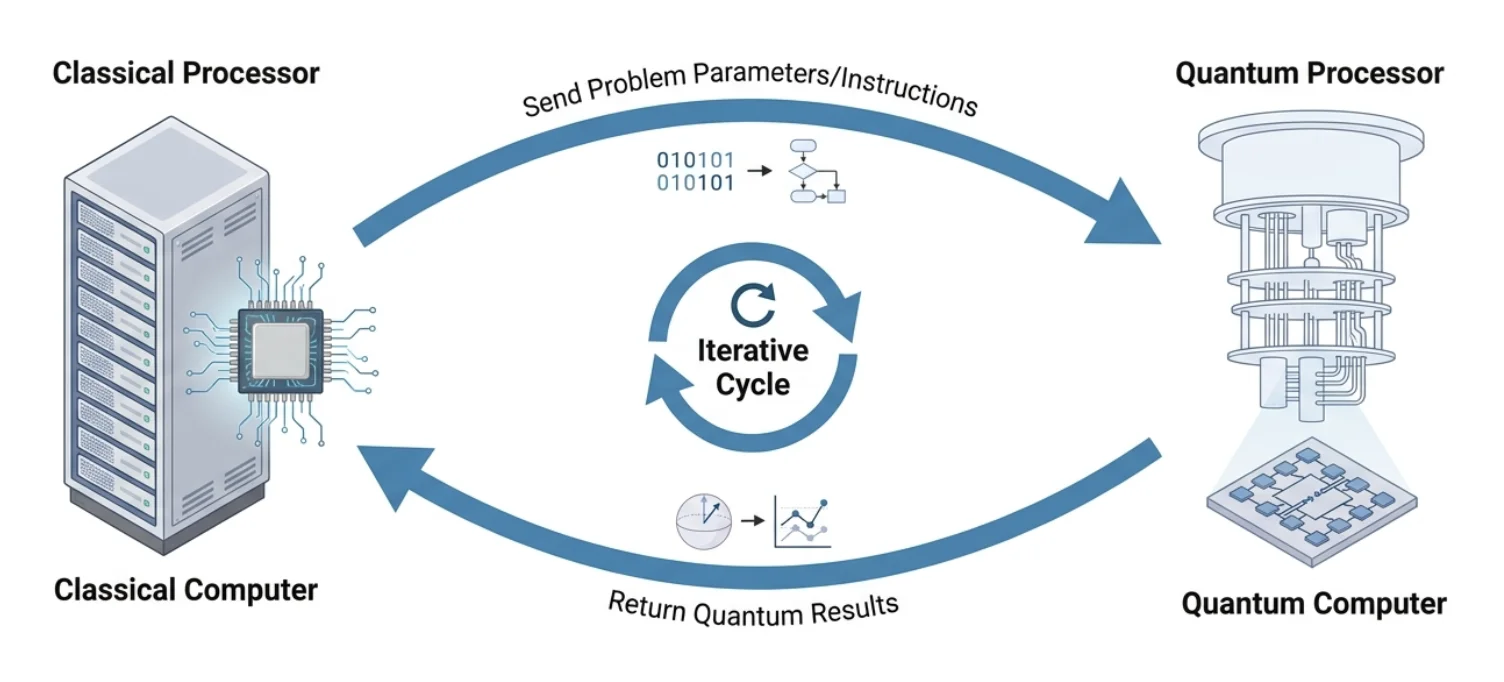
- Qunova Computing reported that its HI-VQE algorithm reached chemical accuracy in an 80-qubit simulation of an iron-sulfur cluster using an IBM quantum computer and RIKEN’s Fugaku supercomputer.
- The workflow’s extrapolated ground-state energy estimate agreed within chemical accuracy with a leading classical benchmark calculated using the Density Matrix Renormalization Group method.
- In an intermediate calculation, HI-VQE used approximately 300 times fewer Fugaku node-hours than a previously published sample-based quantum diagonalization approach.
PRESS RELEASE — Qunova Computing, a world leader in quantum computations for advanced chemistry, today announces that its HI-VQE algorithm has become the first quantum algorithm to reach chemical accuracy (a level of precision required for practical use) at 80 qubits. It did so while simulating the 4Fe-4S iron-sulfur cubane cluster in a quantum / classical super compute workflow using an IBM Quantum System Two quantum computer at RIKEN, along with RIKEN’s classical supercomputer Fugaku. This result represents the most accurate quantum computation of the molecule to date.
Qunova’s extrapolation of the cluster’s ground-state energy, −327.2482 ± 0.0007 Hartree, is consistent within chemical accuracy regarding the leading classical reference calculated using the Density Matrix Renormalization Group (DMRG) method (−327.2471 Hartree). This result is more accurate than the latest extrapolated Trimmed Configuration Interaction (TrimCI) results. This places a quantum-based approach on equal footing, in terms of accuracy, with the strongest classical methods available today for one of the most demanding problems in chemistry.
Article Intelligence
Related Coverage
 CryptoSouth Korean Regulator Will Shield Exchanges That Freeze Funds at the First Sign of a Hack3 giờ trước · 2 min read
 PolicyIllinois Crypto Tax Draws Unlikely Alliance of DOJ, Banks and DeFi3 giờ trước · 3 min read
 QuantumTrain the Trainer: Inside MAHE’s Hardware-First Bet on Quantum3 giờ trước · 8 min read
Sponsored
Ad
NewsLayerLearn more
NewsLayer Premium
Unlock deeper intelligence.
Ad-free reading, exclusive research, and real-time onchain insights.
Go Premium