



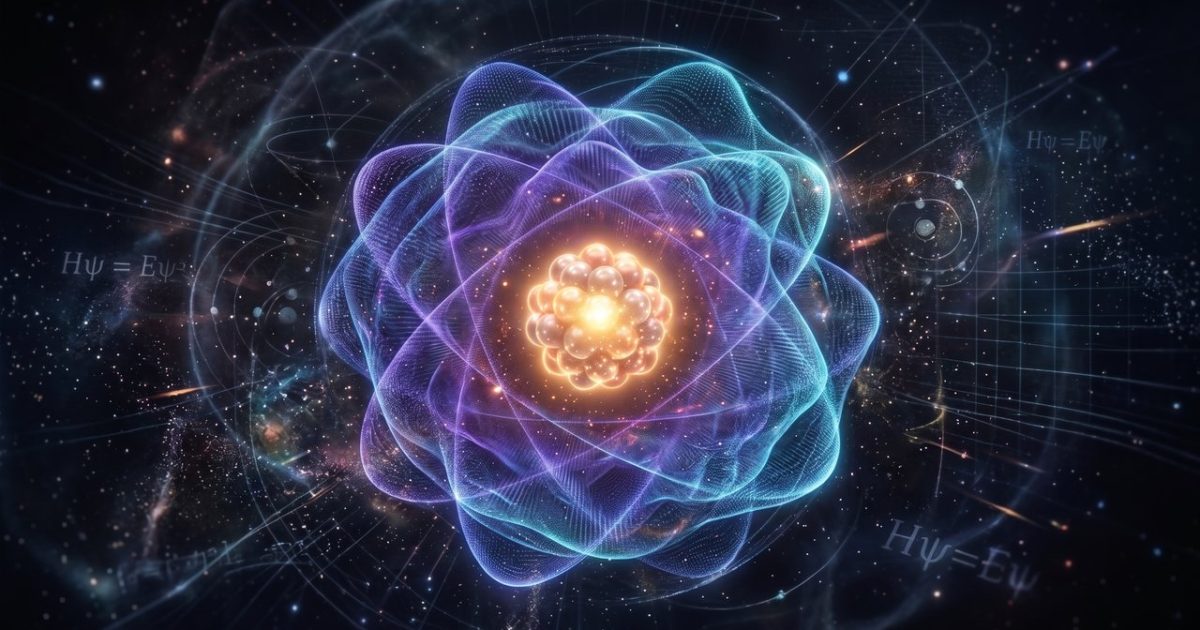
Neutral-atom processors conventionally enforce minimum geometric spacing rules for qubit arrays with a finite Rydberg blockade radius of approximately 4.3μm during gate operations. Meeting these separation requirements does not guarantee elimination of residual noise arising from van der Waals interactions between qubits, however modest increases in inter-gate spacing can sharply suppress correlated exposure. Xinyi Li of Stevens Institute of Technology and colleagues found that increasing the space between qubits reduces unwanted interactions caused by weak van der Waals forces even when devices meet basic operational geometry.
Researchers Link Neutral-Atom Qubit Spacing To Noise Levels
Neutral-atom processors conventionally enforce minimum geometric spacing rules for qubit arrays with a finite Rydberg blockade radius of approximately 4.3μm during gate operations. Meeting these separation requirements does not…
Quantum Zeitgeist
Publisher
Aug 21, 2026 at 3:22 PM UTC · Updated hace unos segundos · 3 min de lectura
Entities
chainlink
Last Updated
hace unos segundos
Traduciendo…
The team demonstrated that moderate increases beyond minimum spacing effectively suppress correlated errors impacting reliability during quantum computation. This work distinguishes meeting design rules from achieving genuinely safe qubit arrangements by considering how spacing affects both physical noise and computational cost. The researchers have shown simply adhering to minimum spacing for neutral-atom processor qubits does not eliminate unwanted interaction due to weak van der Waals forces.
The team discovered increased space beyond this requirement sharply suppresses correlated errors degrading computational reliability. This is akin to ensuring gears mesh smoothly; merely fitting them together isn’t enough if they snag during operation.
Article Intelligence
Key Entities
Related Coverage
 CryptoChainlink primed for $12 next? LINK buybacks and ETF demand hint at…hace 4 horas · 2 min read
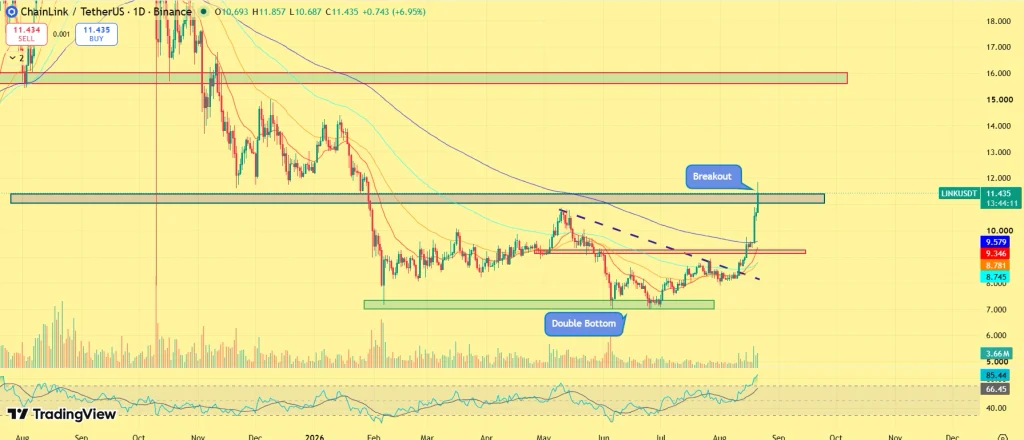 MarketsChainlink Price Surges 8% as LINK Breaks Out — Can ETF Inflows Push It Toward $16?hace 7 horas · 2 min read
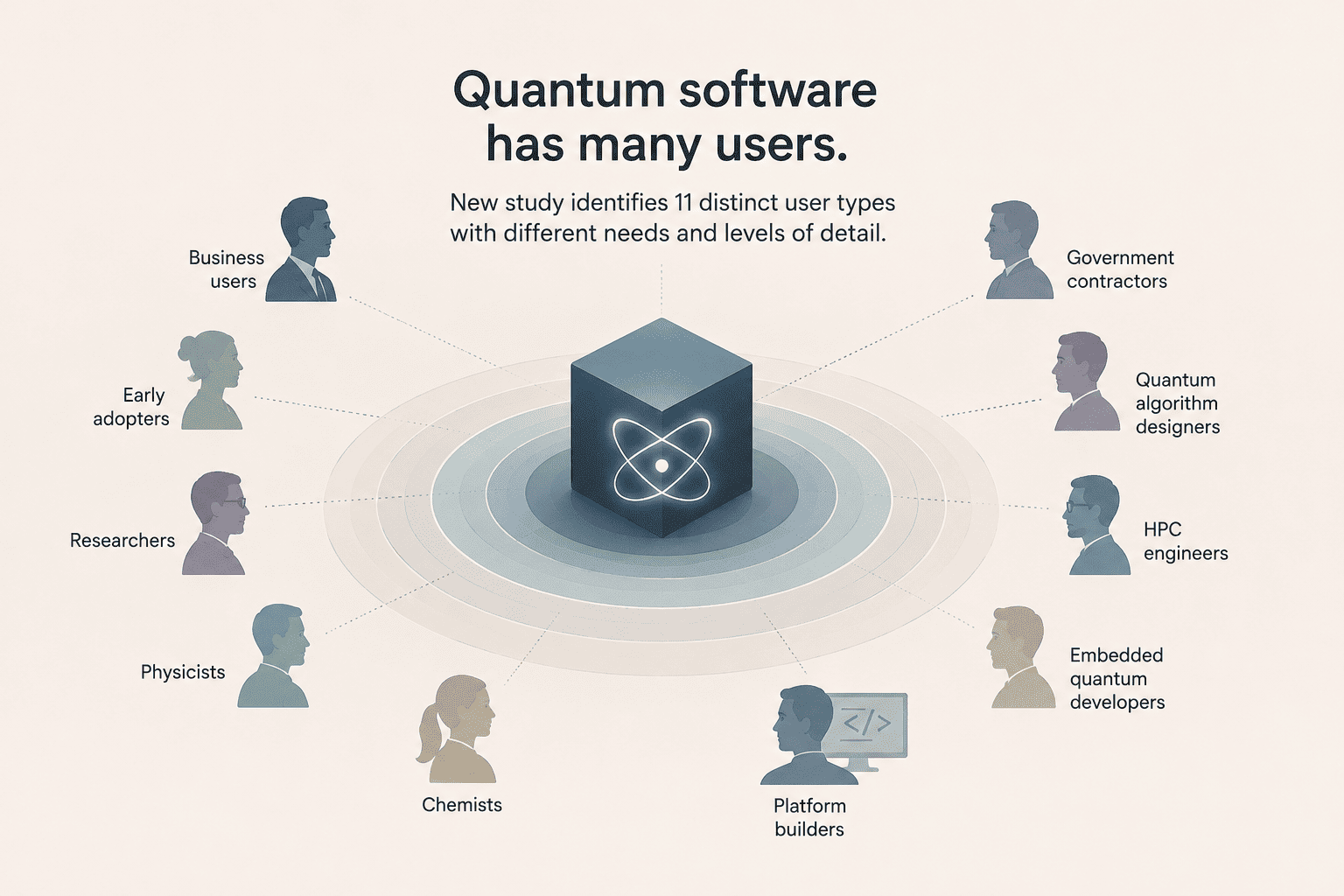 QuantumWho Will Actually Use Quantum Computers? Study Identifies 11 User Typeshace 11 horas · 9 min read
Sponsored
Ad
NewsLayerLearn more
NewsLayer Premium
Unlock deeper intelligence.
Ad-free reading, exclusive research, and real-time onchain insights.
Go Premium