

Scammers impersonating financial regulators and licensed exchanges are targeting crypto holders who are still moving assets five weeks after the EU’s licensing deadline under the Markets in Crypto-Assets Regulation (MiCA).
Scammers Pose as EU Regulators to Target Crypto Users Displaced by MiCA Deadline
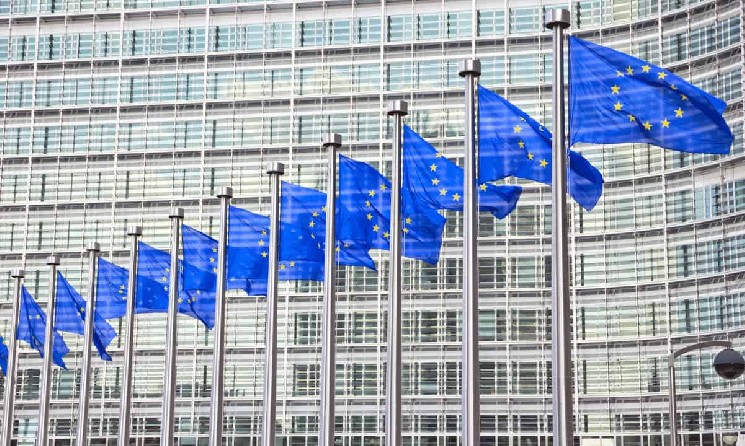
Scammers are reportedly impersonating European Union regulators to target crypto users affected by MiCA-related compliance deadlines and platform changes. The fraud attempts seek to exploit confusion by posing as official authorities…
Cryptonews.net
Publisher
Aug 8, 2026 at 9:42 PM UTC · 2 分で読める
翻訳中…
This is according to several regulators, including France’s Autorité des Marchés Financiers (AMF), the Dutch Authority for the Financial Markets (AFM), and the European Securities and Markets Authority (ESMA), which described the pattern to the Financial Times.
Fraudsters contact customers of firms that failed to win authorization, present themselves as staff of a regulator or an exchange, then direct the customer to a website or account the criminals control. Regulators say they never cold-contact consumers with instructions to send funds to a particular account.
The transitional period under the Markets in Crypto-Assets Regulation (MiCA) closed on July 1. ESMA’s register listed 322 authorized crypto-asset service providers across 26 member states at its August 4 update, and every provider outside it lost the right to serve EU clients.
Regulators Told Users to Move
ESMA’s public statement of June 23 ordered unauthorized providers to “immediately stop onboarding new EU clients” and to limit services to “actions necessary to sell or transfer crypto-assets, reallocate assets, or close positions.” Custody may continue only for the period strictly necessary to complete an orderly exit.
Article Intelligence
Topics
Related Coverage
 PolicySweden revisits digital krona as ECB advances digital euro plans3時間前 · 1 min read
 CryptoMultiliquid, a settlement platform for tokenized assets, raises $8 million4時間前 · 1 min read
 Artificial IntelligenceMastercard and BVNK Launch 'Global Money Platform' to Merge Fiat and Stablecoins3時間前 · 2 min read
Sponsored
Ad
NewsLayerLearn more
NewsLayer Premium
Unlock deeper intelligence.
Ad-free reading, exclusive research, and real-time onchain insights.
Go Premium