
SEC: CorpFin Quietly Updates Crypto FAQs
The Securities and Exchange Commission (SEC), Division of Corporate Finance, quietly updated the crypto assets FAQs.
Crowdfund Insider
Publisher
Oct 1, 2026 at 6:22 PM UTC · 2 min de lectura
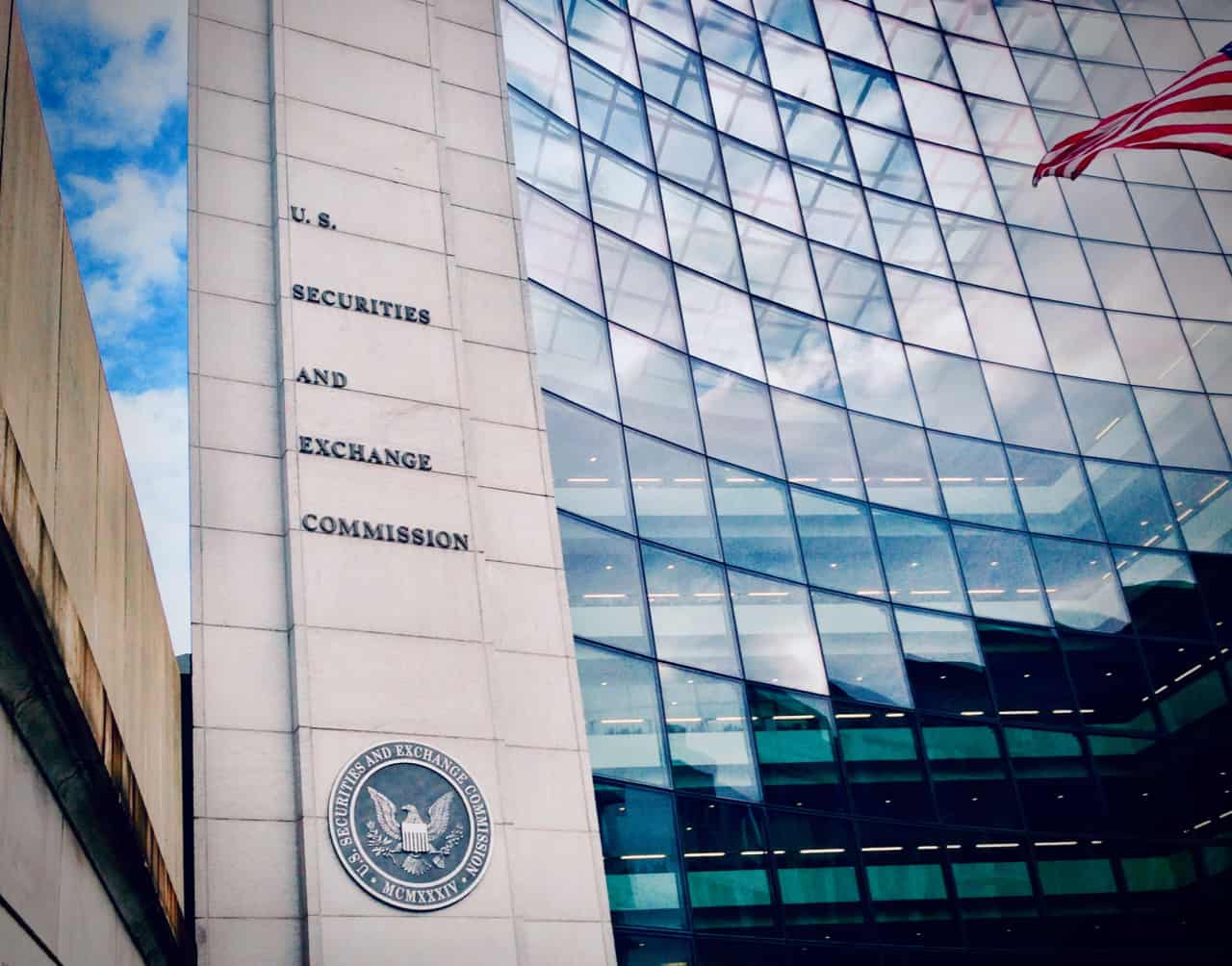
The Securities and Exchange Commission (SEC), Division of Corporate Finance, quietly updated the crypto assets FAQs.
The SEC first posted this staff guide on September 25, 2026. On September 28th, the SEC updated the guidance to clarify when a digital asset is tied to the Howey Rule and deemed a security.
The single change since the original was published impacts buybacks. The SEC added the phrase “and has no central party” to the first sentence. The update was made “to add ‘and has no central party.’”
Before, a buyback announcement was not treated as a promise of essential managerial efforts if the crypto system was functional. After the edit, that safe reading applies only if the system is functional and has no central party. The rest of the answer remains unchanged. If the system is not functional, and the issuer presents the buyback as creating yield or return for token holders, the announcement can still be a representation or promise of essential managerial efforts.
The complete FAQ is summarized here with the full version viewable on the SEC website.
Classification (Section III of the Interpretive Release)
- An issuer’s own description of “functionality” or “decentralization” controls whether it has kept its promises. The Commission’s definitions of “functional” and “decentralized” are used only for classification, not for judging those promises.
- A staking receipt token that is a receipt for a digital commodity not subject to an investment contract is a digital tool. If issued by a protocol-based liquid staking provider, it can also be a digital commodity.
- A “receipt” only certifies that an asset is deposited and that the depositor owns it. It does not change rights in the asset, add extra financial benefits, or let the issuer lend, pledge, rehypothecate, or otherwise use the deposited asset.
Article Intelligence
Topics
Regulation Signal
in progressUpdated hace 2 meses
SEC Crypto Asset Market Structure RulemakingRelated Coverage
 PolicyDraft German crypto tax bill may cause double t...hace 27 minutos · 1 min read
 PolicyCommunity Banks Swing Back at Trump Regulators Over Crypto Chartershace 34 minutos · 1 min read
 CryptoAbsa becomes Africa’s first bank to offer Bitcoin custody serviceshace una hora · 1 min read
Sponsored
Ad
NewsLayer Premium
Unlock deeper intelligence.
Ad-free reading, exclusive research, and real-time onchain insights.
Go Premium