
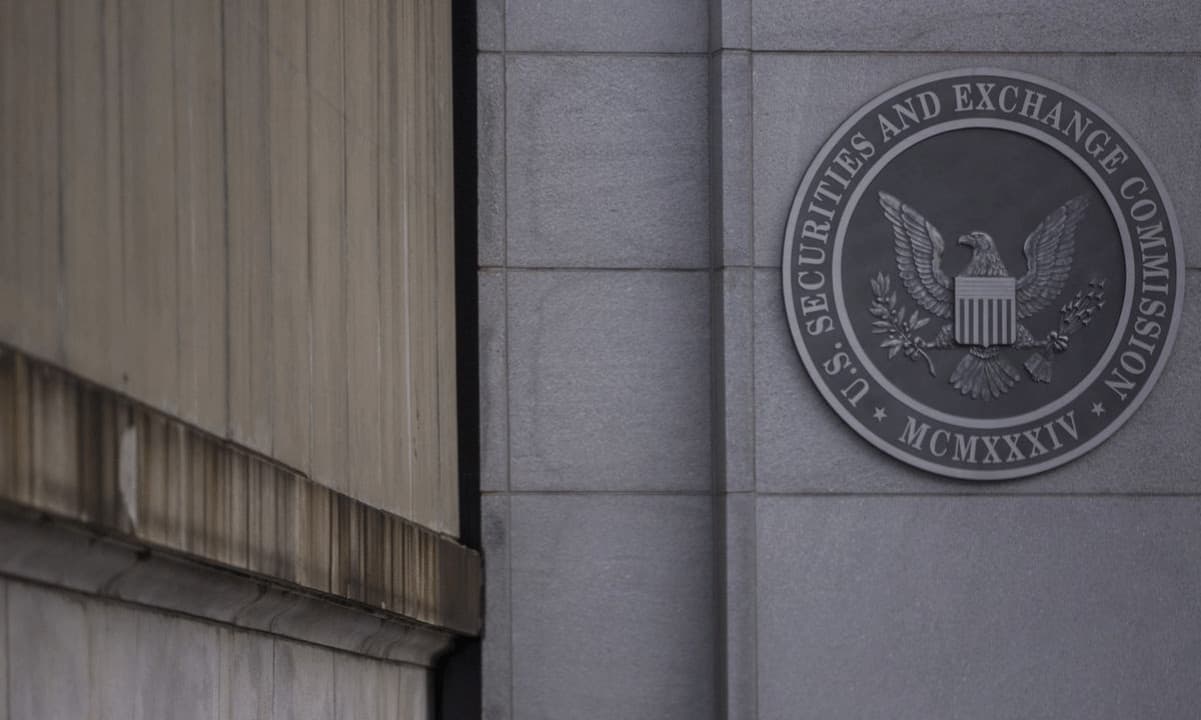
SEC Unveils ‘Regulation Crypto Assets’: New $5M and $75M Path for Token Offering
The public will be allowed to comment on the proposal for 60 days after it appears in the Federal Register.
CryptoPotato
Publisher
Aug 19, 2026 at 7:49 AM UTC · 3 min read
Key Signal
$5M smaller offering cap
Last Updated
2 months ago
The public will be allowed to comment on the proposal for 60 days after it appears in the Federal Register.
The Securities and Exchange Commission (SEC) proposed a new rule on August 18 that would let crypto companies raise money through two exemptions from standard securities registration.
The plan, called “Regulation Crypto Assets,” sets one path capped at $5 million every four years and another at $75 million per year, alongside a safe harbor that could pull certain crypto assets outside the legal definition of a security.
Two Paths to Raise Capital
Under the proposal, the smaller exemption is a one-time offering worth up to $5 million over a four-year period. Issuers using it would need to give investors narrative disclosures about the offering, written in plain language rather than the dense form typical of a full registration statement, and the requirements stay fairly informal by comparison.
The larger exemption goes up to $75 million in any 12-month stretch, but it comes with more paperwork: financial statements and ongoing reporting obligations for as long as a company keeps raising money under it.
Article Intelligence
Regulation Signal
in progressUpdated 2 months ago
SEC Crypto Asset Market Structure RulemakingRelated Coverage
 CryptoEthereum’s zkEVM Speed Battle Is Won, Says Vitalik Buterin, Who Now Wants Security Put First6 hours ago · 1 min read
 PolicyJudge Refuses to Erase Gemini’s $5M Settlement Despite CFTC Reversal6 hours ago · 1 min read
 CryptoKraken Owner Payward Agrees to Buy Lithuania’s Saldo Bank, Becoming First Crypto Company to Acquire an EU Lender11 hours ago · 1 min read
Sponsored
Ad
NewsLayerLearn more
NewsLayer Premium
Unlock deeper intelligence.
Ad-free reading, exclusive research, and real-time onchain insights.
Go Premium