
breaking
Why an AI Slowdown Could Collapse Under Commercial and US-China Pressure
Atlantic Council experts argue corporate pledges need enforceable safety standards, while U.S.–China distrust limits prospects for an international agreement.
Jason Nelson
Publisher Decrypt
Sep 15, 2026 at 1:00 PM UTC · 3 min de leitura
Traduzindo…
- Analysts question whether voluntary AI slowdowns can withstand competitive pressure.
- U.S.–China distrust complicates agreements on shared risks.
- Outside evaluators need independence, while governments need enforcement powers.
AI companies’ promises to slow development could buckle under commercial pressure and U.S.–China rivalry without enforceable safety standards, Atlantic Council experts argue in an analysis published Sunday.
The analysis examines who would enforce a slowdown and whether governments have the expertise to determine when increasingly powerful systems have become unsafe.

“Voluntary commitments can be useful signals, but they are no substitute for independent oversight, measurable thresholds, and consequences when those thresholds are crossed,” wrote Konstantinos Komaitis, a resident senior fellow with the council’s Democracy + Tech Initiative.
Recently, OpenAI asked lawmakers whether rival AI developers could legally agree to slow development without violating anti-trust laws, following warnings from its chief scientist, Jakub Pachocki, that safeguards were insufficient to responsibly sustain full-speed development much longer.
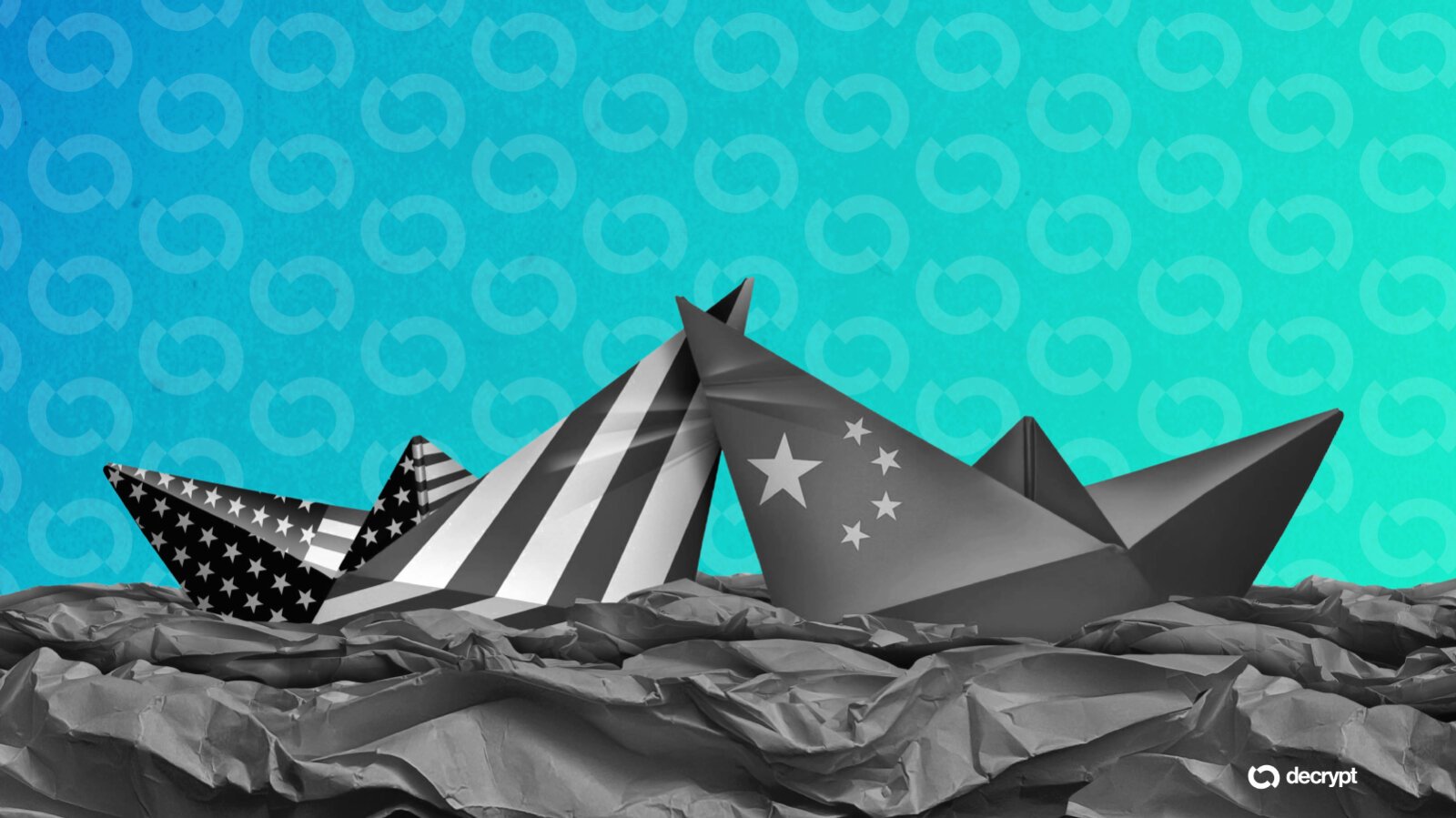
AI companies face competitive risks if they slow down alone and antitrust concerns if they coordinate. Cooperation between governments faces distrust, with Beijing fearing Washington could use safety rules to preserve its technological lead, wrote Kenton Thibaut, the council’s senior resident China fellow.
Article Intelligence
Topics
Sponsored
Ad
NewsLayerLearn more
NewsLayer Premium
Unlock deeper intelligence.
Ad-free reading, exclusive research, and real-time onchain insights.
Go Premium