
Why Bitcoin, Ethereum & APT Named As Commodities Changes Everything For Bank Crypto Access
The article examines how classifying Bitcoin, Ethereum and Aptos (APT) as commodities could affect banks’ ability to access and offer crypto-related services. It suggests that commodity designation may have significant implications for…
Yellow.com
Publisher
Aug 12, 2026 at 11:37 PM UTC · Updated 2 months ago · 3 min read
Entities
bitcoin, ethereum
Last Updated
2 months ago
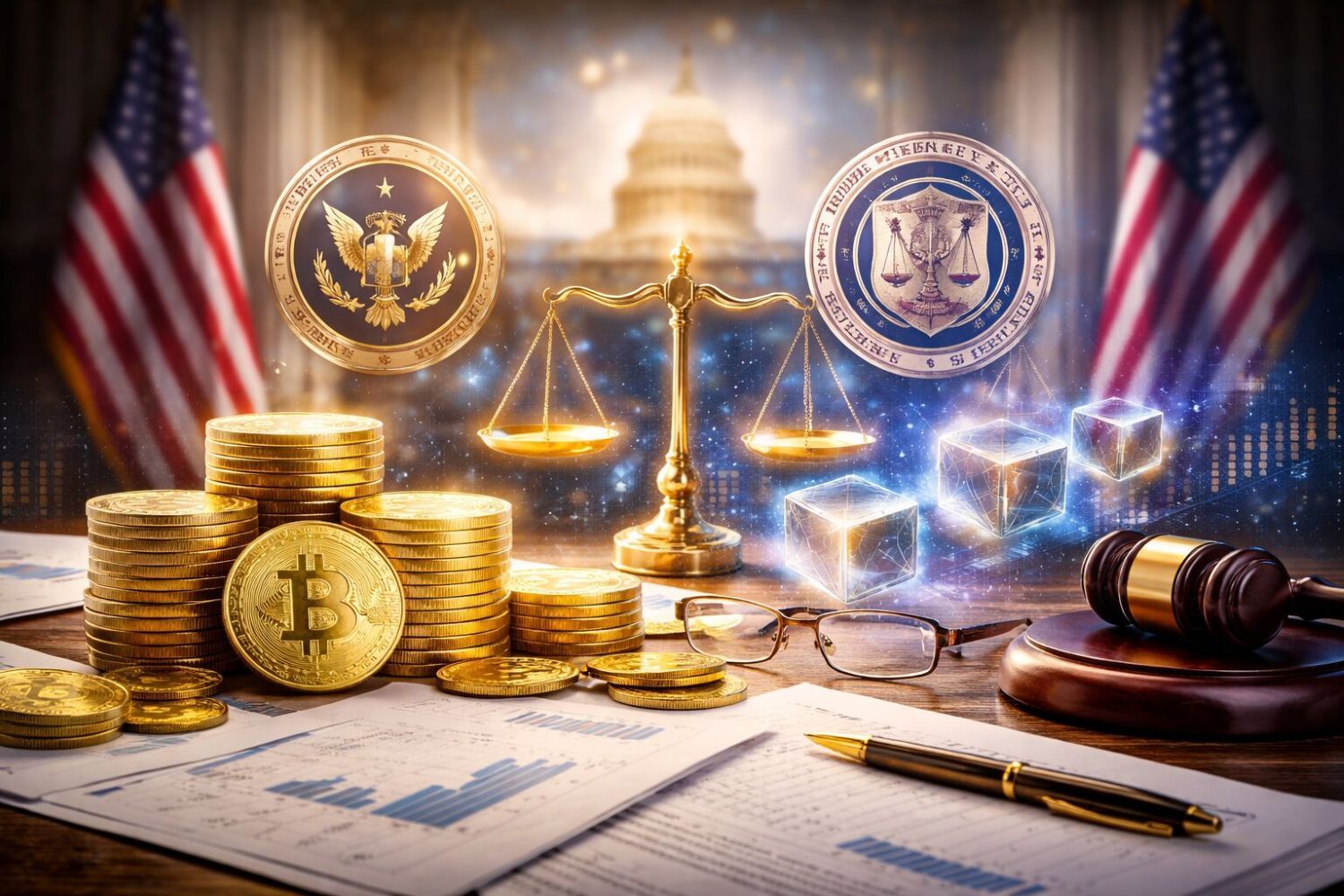
Industry experts say new joint guidance from the U.S. Securities and Exchange Commission and the Commodity Futures Trading Commission finally clarifies when crypto tokens cease to be securities, introducing a dynamic framework that could immediately expand institutional participation while forcing projects to reassess how they structure token offerings.
The interpretation, released Tuesday, sets out how digital assets may fall in and out of securities classification depending on the presence of ongoing managerial promises, addressing a long-standing ambiguity that has shaped market behavior in the U.S.
Experts Say Dynamic Test Redefines Token Classification
The guidance establishes that a crypto asset is not inherently a security, but may be tied to an “investment contract” depending on how it is marketed and the expectations set by issuers.
Crucially, regulators also clarified that such a classification is not permanent.
Mari Tomunen, general counsel at DoubleZero, said the framework introduces a fundamental shift in how legal analysis is applied to digital assets.
“This is the clarity the industry has been waiting for,” she said, noting that the interpretation outlines in concrete terms when promises tied to a token create an investment contract and when that relationship can end.
Market Context
Bitcoin
BTC
$86,504
+2.08% (24H)
Market Cap
$1.74T
24H Volume
$14.1B
24H High
$86,667
Article Intelligence
Topics
Related Coverage
 CryptoInfinex adds NEAR Chain Signatures, expands assets to Bitcoin, DOGE, XRP2 hours ago · 2 min read
 CryptoNEAR Intents Adds Bitcoin, DOGE and XRP Access Through Infinex2 hours ago · 1 min read
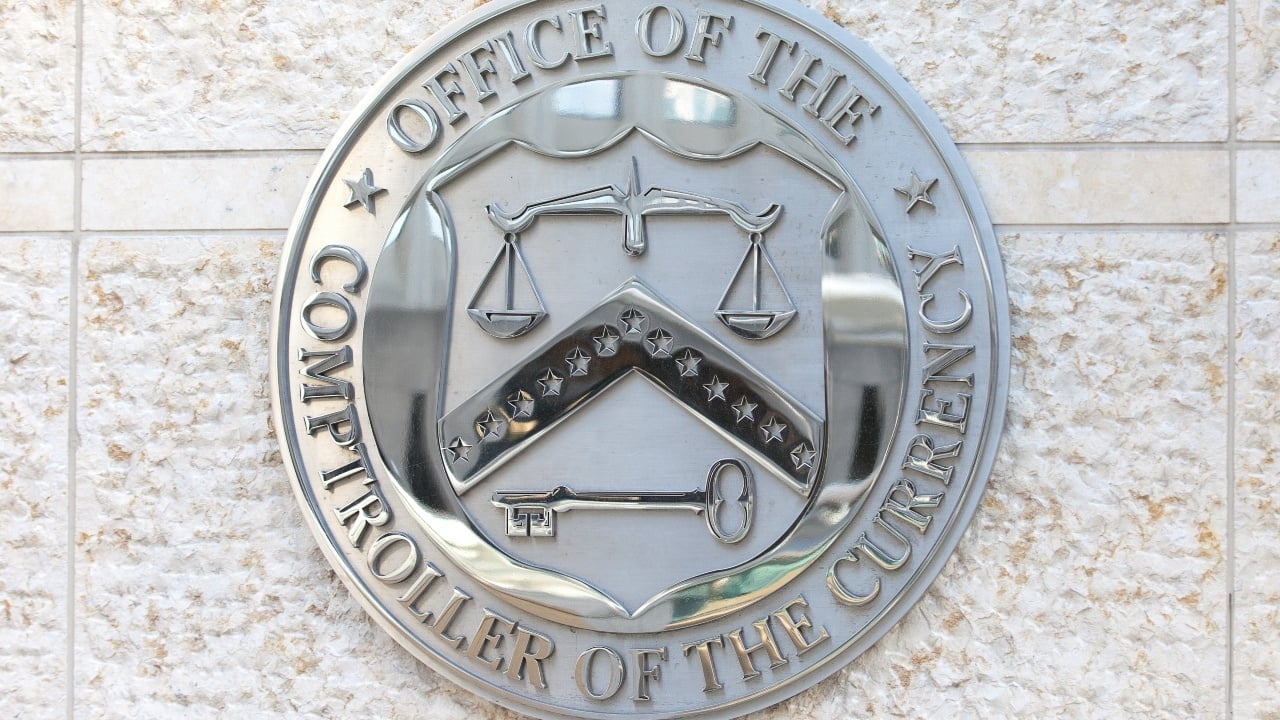 CryptoCommunity Bankers Sue US Banking Regulator Over 'Side Door' Crypto Charters2 hours ago · 2 min read
Sponsored
Ad
NewsLayer Premium
Unlock deeper intelligence.
Ad-free reading, exclusive research, and real-time onchain insights.
Go Premium