
Key participants in the cryptocurrency sector have called on the US Securities and Exchange Commission (SEC) to refrain from imposing across-the-board restrictions on “novel” exchange-traded funds (ETFs) and instead evaluate each proposed product on its specific risk attributes and structure.
a16z and Grayscale urge SEC to assess novel ETFs individually, reject blanket restrictions
Key participants in the cryptocurrency sector have called on the US Securities and Exchange Commission (SEC) to refrain from imposing across-the-board restrictions on “novel” exchange-traded funds (ETFs) and instead evaluate each…
Bitget
Publisher
Sep 2, 2026 at 12:28 PM UTC · Updated vor 2 Tagen · 3 Min. Lesezeit

Key Signal
60-day SEC comment window
Entities
grayscale
Last Updated
vor 2 Tagen
Übersetzung…
Industry input on ETF regulation
Venture capital firm Andreessen Horowitz (a16z), a leading investor in both crypto and technology startups, submitted a letter urging the SEC to assess new ETF products according to the unique characteristics of their underlying assets. The firm also advocated for better coordination between fund registration and exchange listing processes, along with a commitment to more consistent regulatory timelines.
Digital asset manager Grayscale and the Crypto Council for Innovation (CCI), an advocacy group representing several major players in the sector, also engaged with the SEC’s request for input. Both organizations supported an option for confidential pre-filing procedures, which would allow firms to consult with the regulator ahead of a public application, potentially streamlining the launch of innovative financial products.
All three organizations opposed any regulatory change that would automatically place investment products holding non-securities—such as cryptocurrencies—under the Investment Company Act. They argued that such changes may inappropriately broaden the framework’s scope, which is intended for funds holding traditional securities.
Article Intelligence
Key Entities
Regulation Signal
in progressUpdated vor einem Monat
SEC Crypto Asset Market Structure RulemakingRelated Coverage
 CryptoBitcoin Price Jumps After U.S. Treasury Buys Back $12.5B Debtvor 2 Stunden · 3 min read
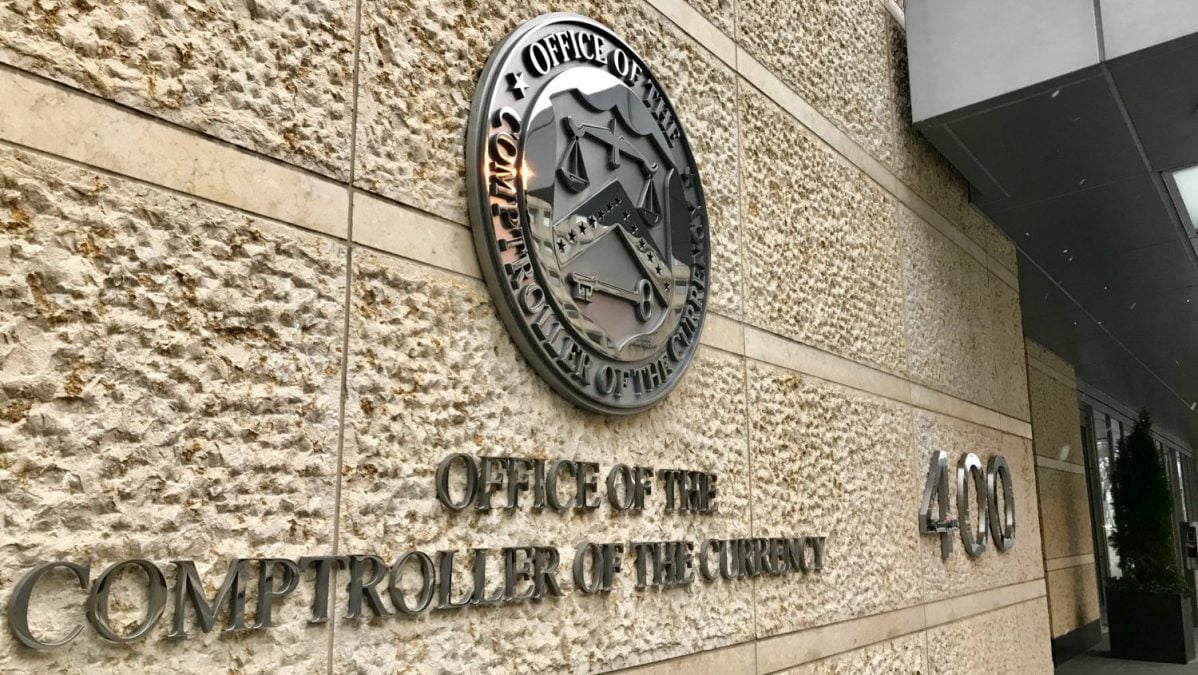 PolicyAndreessen Horowitz-backed OpenReserve secures preliminary OCC approval for national bank chartervor 28 Minuten · 1 min read
 PolicyREGULATION | OpenReserve Gets Preliminary OCC Approval for a U.S. Blockchain Bankvor 2 Stunden · 2 min read
Sponsored
Ad
NewsLayerLearn more
NewsLayer Premium
Unlock deeper intelligence.
Ad-free reading, exclusive research, and real-time onchain insights.
Go Premium