
The integration of artificial intelligence (AI) in higher education has generated both enthusiasm and apprehension among educators. This article argues that AI can serve as an adaptive pedagogical partner, enhancing formative assessment, reflection, and metacognitive learning. Through illustrative examples, the study demonstrates how AI can provide individualized feedback and foster deeper conceptual understanding. The discussion emphasizes the ethical and pedagogical implications of AI integration, positioning it as a catalyst for reflective and responsible learning practices. The article concludes that AI, when employed intentionally, can amplify human instruction and promote the development of digitally literate, critically engaged learners.
Artificial Intelligence as a Pedagogical Tool in Higher Education: Enhancing Reflection and Formative Assessment
The integration of artificial intelligence (AI) in higher education has generated both enthusiasm and apprehension among educators. This article argues that AI can serve as an adaptive pedagogical partner, enhancing formative…
Faculty Focus
Publisher
Aug 31, 2026 at 4:05 AM UTC · 10 Min. Lesezeit
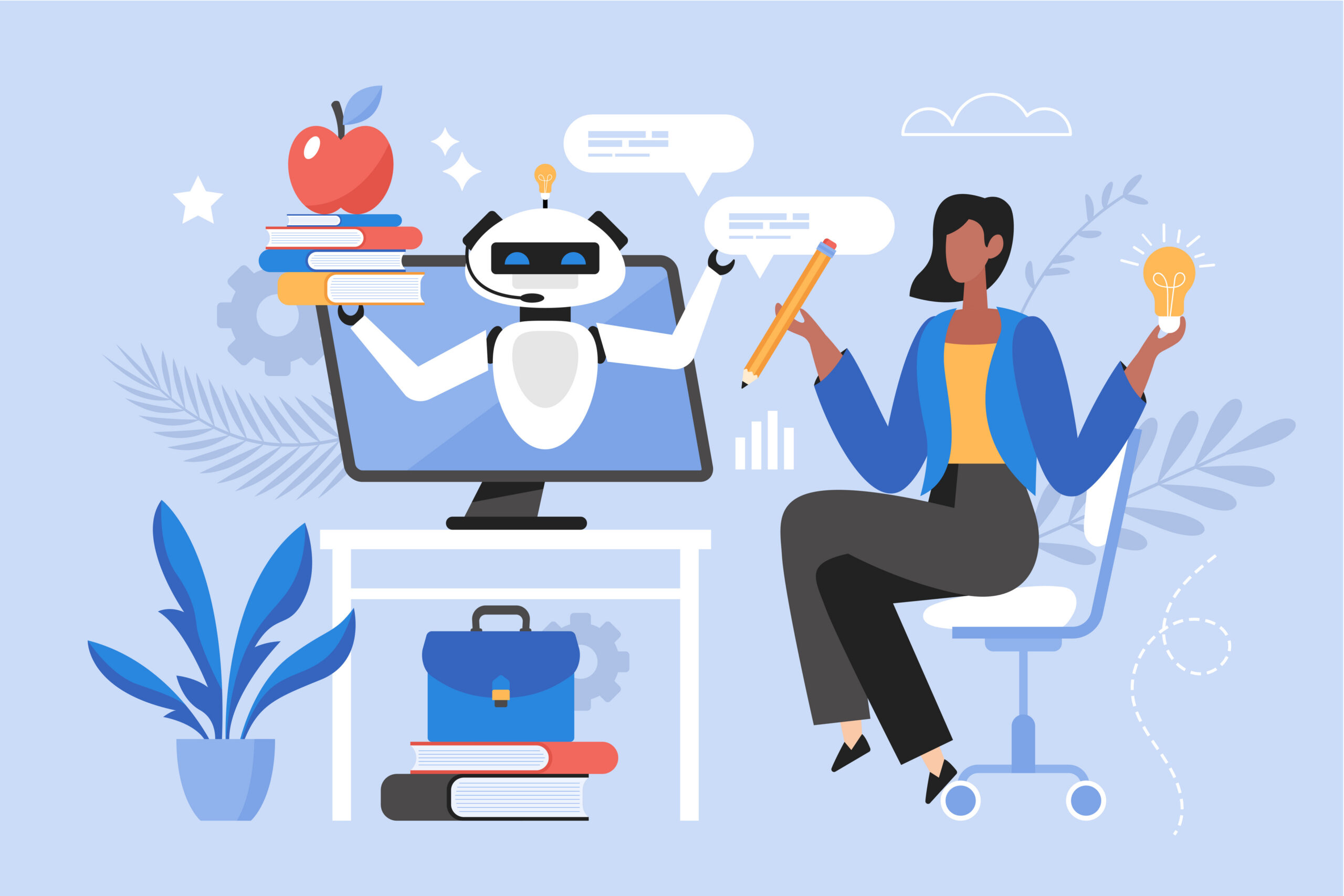
The integration of artificial intelligence (AI) into higher education pedagogy is often less formidable than it may initially appear. When educators reconceptualize AI not as a disruptive force but as an adaptive, resource-rich instructional tool, the possibilities for enhancing student learning and engagement expand considerably.
Post-Examination Analysis
Post-Examination Analysis is a reflective instructional strategy designed to deepen learning by helping students identify, understand, and correct their misconceptions after an assessment. By revisiting their errors and engaging with targeted feedback, students develop metacognitive awareness, strengthen conceptual understanding, and build greater ownership of their learning. This process encourages critical thinking, self-assessment, and purposeful revision.
Article Intelligence
Topics
Sponsored
Ad
NewsLayer Premium
Unlock deeper intelligence.
Ad-free reading, exclusive research, and real-time onchain insights.
Go Premium