
Bitcoin-Angst ist groß, doch diese 7 Signale sprechen eine andere Sprache
Bitcoin-Angst ist groß, aber diese 7 Signale erzählen eine andere Geschichte Cointribune
Cointribune
Publisher
Aug 17, 2026 at 7:35 AM UTC · 6 Min. Lesezeit
Key Signal
$63,164 Bitcoin market price
Entities
bitcoin
Market Impact
BTC+1.31%$84,658
Last Updated
vor einem Monat
Fassen Sie diesen Artikel zusammen mit:
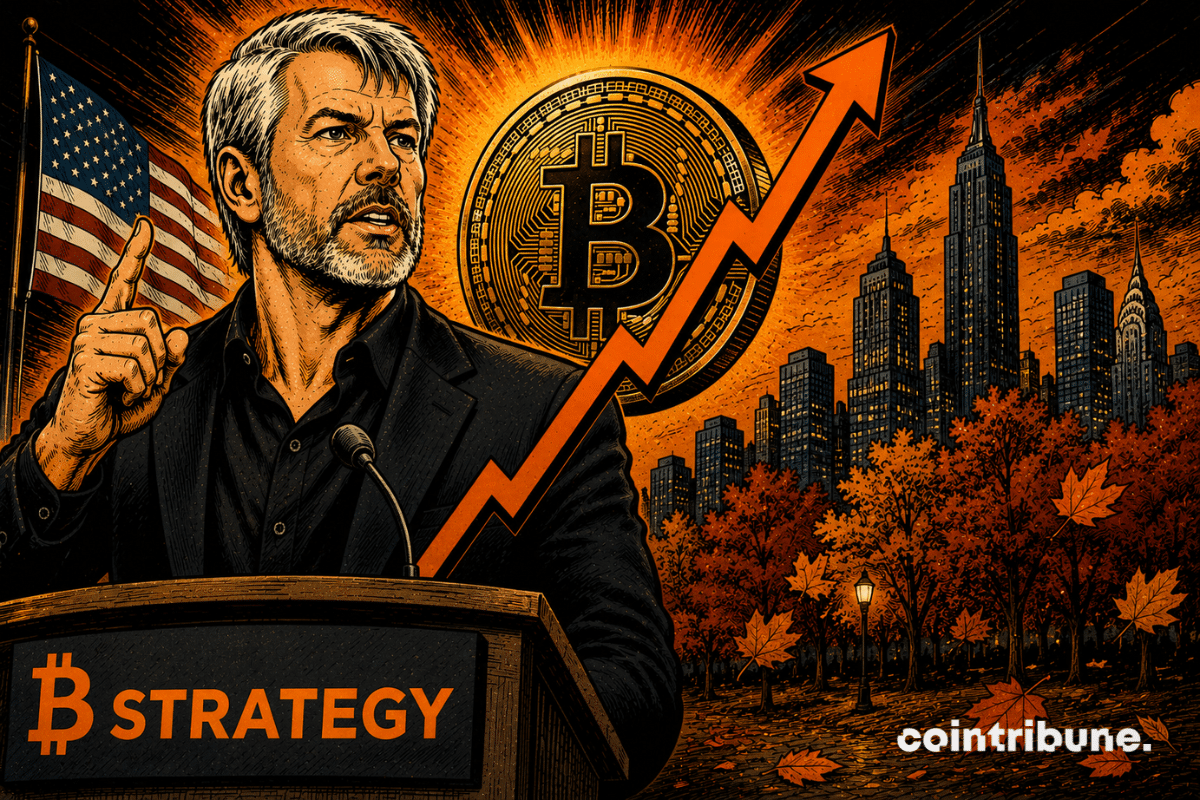
Der Kryptomarkt verlangsamt sich, aber diese Flaute könnte nicht von Dauer sein. Da das vierte Quartal näher rückt, zeichnen sich in den Vereinigten Staaten mehrere Katalysatoren ab: regulatorische Fortschritte, zunehmende Beteiligung von Banken, die Entwicklung digitaler Kredite und monetäre Signale. All diese Faktoren könnten Kapitalflüsse wecken und die Markttrajektorie verändern. Nach einem Sommer, der von Abwarten und einem anhaltenden Gefühl der Angst geprägt war, könnten die kommenden Monate somit ein neues Kapitel für Kryptos aufschlagen. Bitcoin wird naturgemäß im Zentrum dieser potenziellen Neukonfiguration stehen.
In Kürze
- Der Bitcoin-Markt stagniert um 63.160 $ in einem Klima der Vorsicht, aber der CEO von Strategy identifiziert 7 Schlüsselkatalysatoren für diesen Herbst.
- Der CLARITY Act erwartet eine entscheidende Abstimmung im US-Senat am 15. September, während die SEC an Ausnahmeregelungen für tokenisierte Wertpapiere arbeitet.
- Amerikanische Bundesbanken profitieren von geklärten Regeln für die Kryptoverwahrung, neben den Bemühungen von Coinbase, eine nationale Trust-Charter zu erhalten.
- Der Aufstieg von digitalen Krediten und Vorzugsaktien bietet neue Kanäle für Bitcoin-Engagements ohne direkten Token-Besitz.
Market Context
Bitcoin
BTC
$84,658
+1.31% (24H)
Market Cap
$1.70T
24H Volume
$26.3B
24H High
$85,239
Article Intelligence
Key Entities
Topics
Related Coverage
 CryptoIMF Approves El Salvador Funds After Waiver for Bitcoin Breachvor einer Stunde · 1 min read
 CryptoIMF approves $138 million for El Salvador, says no more bitcoin buys plannedvor einer Stunde · 1 min read
:quality(82)/34dce25b9ac6454cb073b4795ddbefce) CryptoSEC Admits Regulation Has Lagged Bitcoin, Proposes New Custody Rulesvor einer Stunde · 1 min read
CryptoSEC Admits Regulation Has Lagged Bitcoin, Proposes New Custody Rulesvor einer Stunde · 1 min readSponsored
Ad
NewsLayerLearn more
NewsLayer Premium
Unlock deeper intelligence.
Ad-free reading, exclusive research, and real-time onchain insights.
Go Premium