
Science and engineering bring to the world a new technology with military applications. The resulting weapons put immense power in the hands of those who control them, creating the threat of unprecedented destruction. The new weapons belong almost exclusively to two large countries that are engaged in bitter rivalry of global scope with each other. The two invest heavily in improving these weapons and expanding their supplies of them, leading to an arms race between them. The danger that the new weapons pose ultimately leads to limited cooperation between the two rivals, in the midst of their ongoing conflict, in the form of negotiated agreements placing limits on the new instruments of warfare.
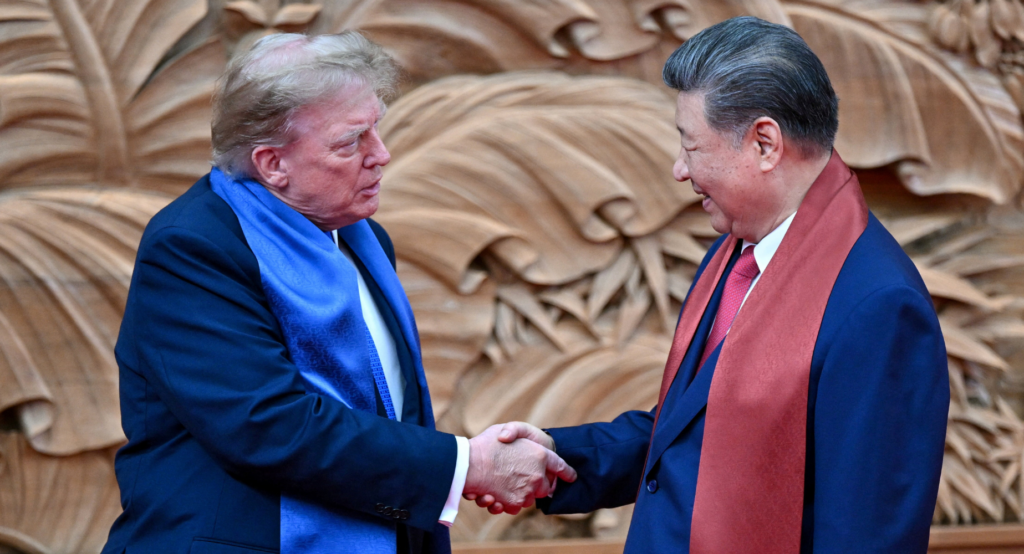
Can the United States and China Cooperate to Control Artificial Intelligence?
Science and engineering bring to the world a new technology with military applications. The resulting weapons put immense power in the hands of those who control them, creating the threat of unprecedented destruction. The new weapons…
The Jerusalem Strategic Tribune
Publisher
Nov 23, 2026 at 1:52 PM UTC · 7 Min. Lesezeit
Übersetzung…
This sequence of events describes the history of nuclear weapons from their creation and use during World War II to the arms control accords between the United States and the Soviet Union in the 1970s. Might the latest new military-related technology, Artificial Intelligence (AI), follow the same pattern? Might the United States and the People’s Republic of China find common ground in controlling this new technology, which they dominate? However desirable such an outcome may be, it is unlikely to be realized because of several fundamental differences between the two types of military instruments.
Article Intelligence
Topics
Sponsored
Ad
NewsLayerLearn more
NewsLayer Premium
Unlock deeper intelligence.
Ad-free reading, exclusive research, and real-time onchain insights.
Go Premium