
The GENIUS Act stablecoin rules have been making headlines for months, yet many readers rightly wonder how much of it actually applies today. The answer is uncomfortable but important: the GENIUS Act was passed in July 2025, but what now shapes US stablecoin regulation are the concrete rules, procedures and supervisory decisions of Treasury, the OCC and other bodies. A statute on its own does not create a finished, workable market.
GENIUS Act stablecoin rules: status up to 2027
The GENIUS Act stablecoin rules have been making headlines for months, yet many readers rightly wonder how much of it actually applies today. The answer is uncomfortable but important: the GENIUS Act was passed in July 2025, but what…
CryptoTicker
Publisher
Oct 2, 2026 at 9:28 PM UTC · 6 Min. Lesezeit

Key Signal
$10B State-regulation issuer threshold
Last Updated
vor 6 Tagen
Übersetzung…
A stablecoin is at its core a crypto asset whose value is meant to be pegged to a reference, usually the US dollar. One point matters here: that stability of value is a design goal, not a guarantee. Turning a statutory framework into a functioning supervisory apparatus requires implementing rules. These are administrative provisions that translate statutory guardrails into verifiable operational requirements, covering authorisation, reserves, reporting, capital, liquidity and risk management. This article assesses neither individual tokens nor issuers and makes no statement about the specific legal compliance of USDC, USDT or any other offering.
The current legal status in one sentence
To place the debate properly, it helps to draw a clean distinction between three stages: an enacted statute, a proposed rule, and a final, applicable rule. Public Law 119-27, the official designation of the GENIUS Act, sets out the legal framework and the rulemaking mandates. Among other things it requires provisions on reserves, transparency, capital, liquidity, risk management and authorisation, yet numerous details are left for the competent agencies to pin down.
Article Intelligence
Related Coverage
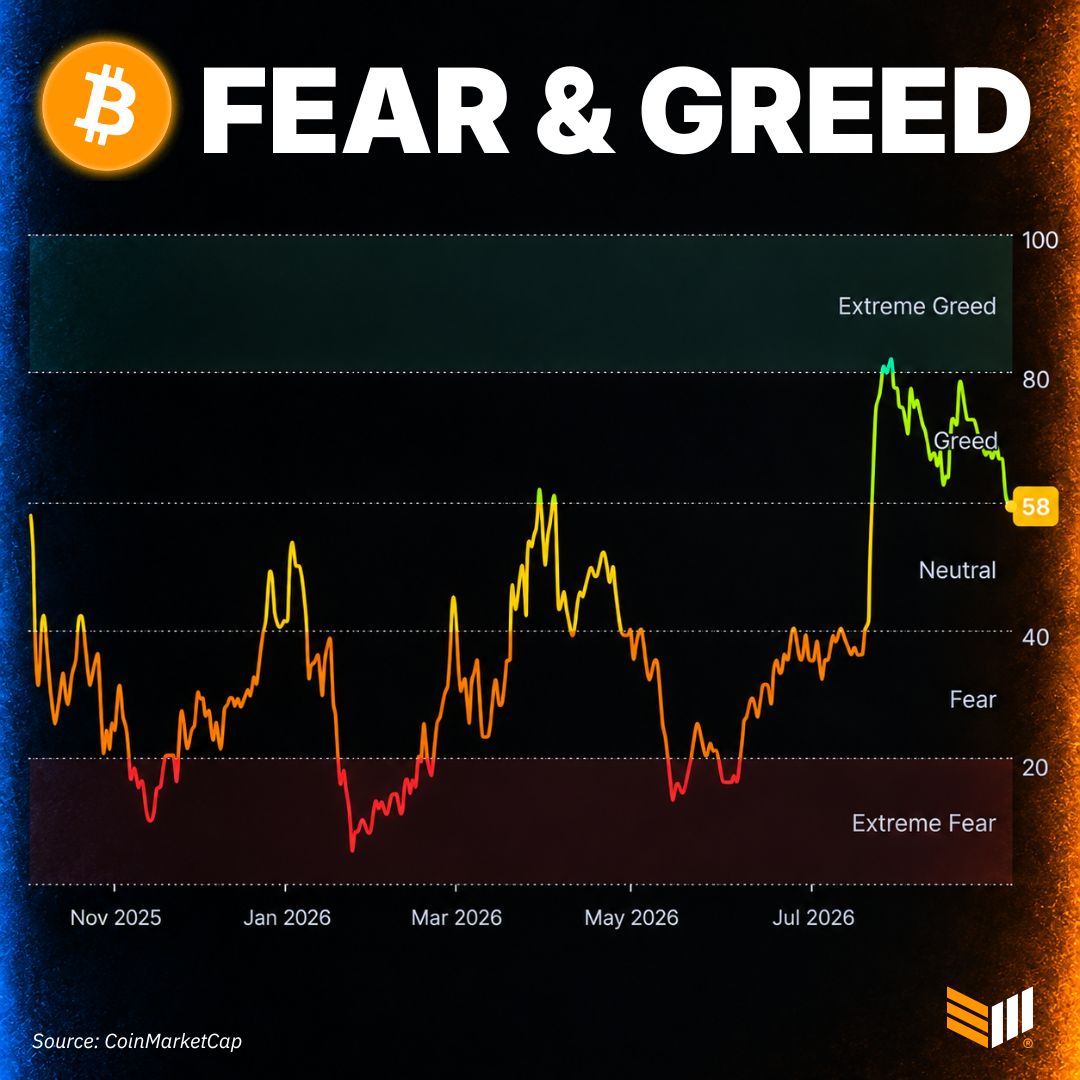 CryptoJUST IN: Bitcoin's Fear and Greed Index falls to 'Neutral' for the first time since August 👀 HODL! ✊vor einer Stunde · 1 min read
 Artificial IntelligenceMoney20/20 USA 2026: How Bitcoin, Stablecoins and AI Are Reshaping the Future of Financevor 16 Minuten · 5 min read
Sponsored
Ad
NewsLayerLearn more
NewsLayer Premium
Unlock deeper intelligence.
Ad-free reading, exclusive research, and real-time onchain insights.
Go Premium