

By Kamran Tavangar, Head of Science Strategy and Partnerships at LabCentral
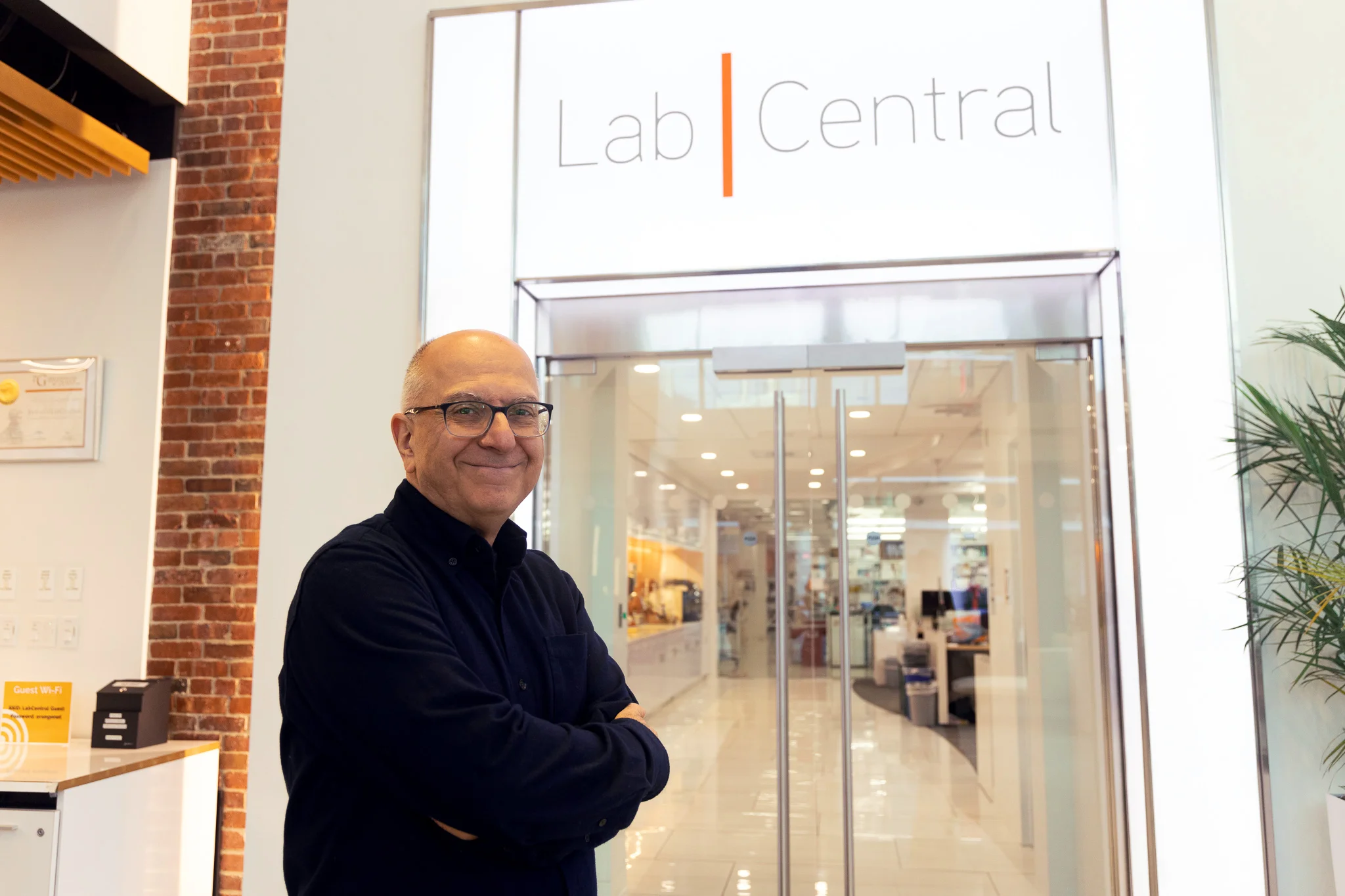
Image: LabCentral
Guest Post: What Makes The Next Breakthrough Possible? Lessons From The ‘Fosbury Flop’ For AI and Quantum in Biotech
By Kamran Tavangar, Head of Science Strategy and Partnerships at LabCentralImage: LabCentral When 21-year-old Dick Fosbury went over the high-jump bar backwards at the 1968 Mexico City Olympics, he used a radically different technique,…
Resonance
Publisher The Quantum Insider
Oct 30, 2026 at 7:36 AM UTC · Updated vor 3 Tagen · 6 Min. Lesezeit
Übersetzung…
When 21-year-old Dick Fosbury went over the high-jump bar backwards at the 1968 Mexico City Olympics, he used a radically different technique, cleared an Olympic record 2.24 meters, and won gold. This feat was the culmination of years of practice throughout Fosbury’s high school and college years.
His method was made possible by raised, cushioned landing pads that replaced ground-level sand or wood chip pits. Over the next decade, the “Fosbury Flop” systematically replaced the traditional straddle technique, as new players and constant technique refinements clearly established its superiority.
With the AI revolution now firmly entrenched in biotech, the addition of quantum computing is now approaching its own early Fosbury moment. But like the Flop, quantum’s impact will depend on the continuous integration of the latest hardware, software, algorithms, legislation, and public-private partnerships, to deliver real impact on human health.
Biology is Complicated, AI is Helping
Billions of years of evolution have created extraordinary diversity, dynamic regulation, feedback loops, and systemic complexity across all living things. Across the decades and especially since the second half of the 20th century, generations of curious, inventive scientists have progressively helped us build numerous windows to peer into this complexity: crystallography, recombinant DNA, monoclonal antibodies, sequencing technologies, PCR, transgenic animals, CRISPR-Cas9, CAR-T cell therapy, mRNA vaccines are just some of the groundbreaking technologies in the field. The data these tools have generated is now fueling the biotech AI revolution. AlphaFold, for example, was trained on decades of experimentally determined structures in the Protein Data Bank and can now predict the three-dimensional structure of most known proteins.
Article Intelligence
Related Coverage
View all related
Sponsored
Ad
NewsLayerLearn more
NewsLayer Premium
Unlock deeper intelligence.
Ad-free reading, exclusive research, and real-time onchain insights.
Go Premium