
- Lee said detailed tax guidelines related to the planned Jan. 1 launch of virtual asset taxation next year will be announced through a National Tax Service notice before year-end.
- Lee said the current tax system, which classifies virtual asset income as other income, is appropriate because it allows taxpayer-friendly treatment such as a basic deduction and a single tax rate.
- Lee said virtual asset taxation would help improve tax fairness across asset classes compared with stocks and other assets, and that any introduction of the financial investment income tax should be reviewed only after financial markets have stabilized.
Lee Hyoung-il Says Crypto Tax Guidelines to Be Announced This Year, Backs ‘Other Income’ Classification
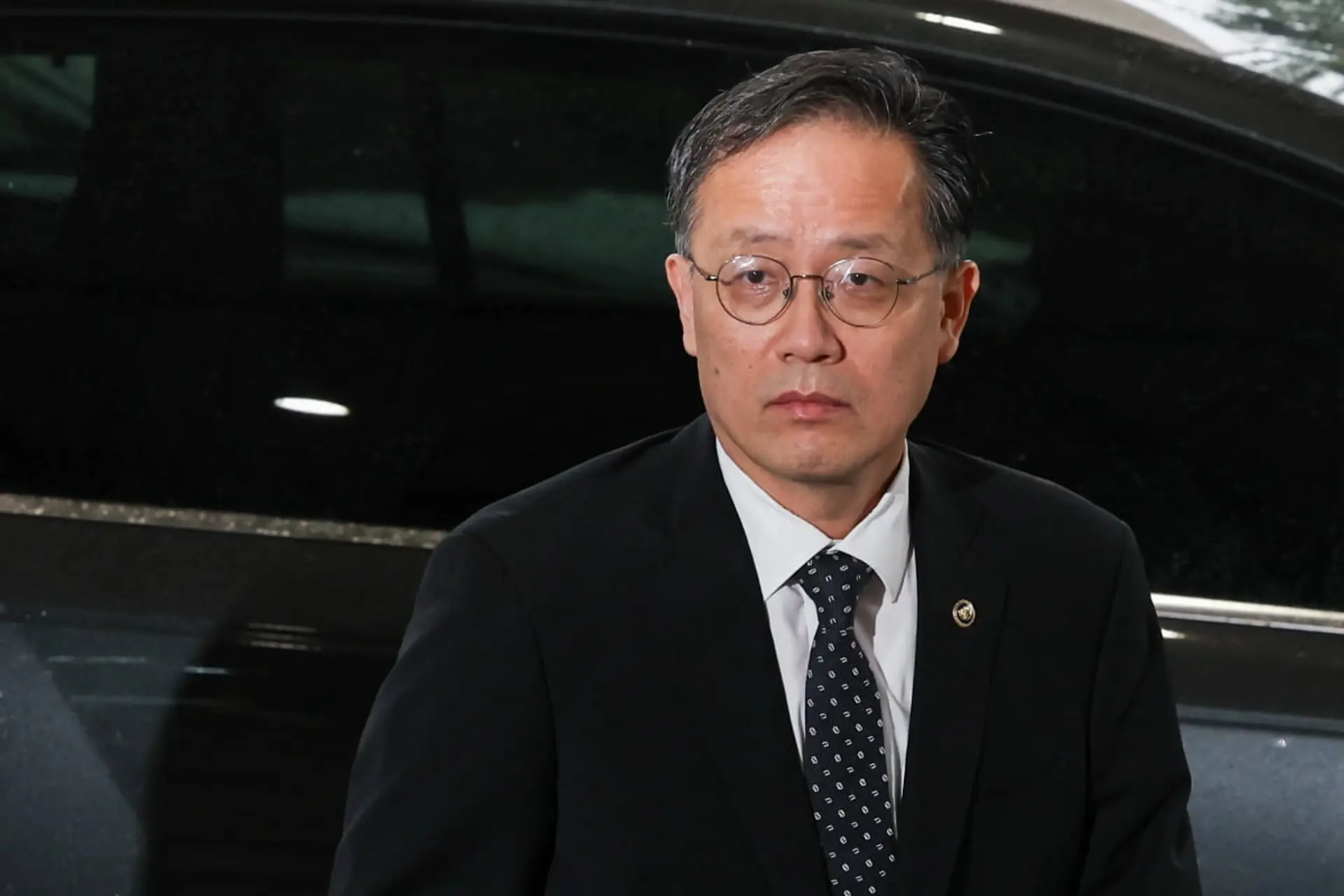
Lee Hyoung-il, South Korea’s nominee for deputy prime minister and finance minister, said detailed tax guidelines for virtual assets will be announced before year-end ahead of the planned Jan. 1 implementation of crypto taxation.
bloomingbit
Publisher
Sep 13, 2026 at 4:32 AM UTC · Updated vor einem Tag · 1 Min. Lesezeit
Übersetzung…
Forecast Trend Report by Period
Lee Hyoung-il, South Korea’s nominee for deputy prime minister and finance minister, said detailed tax guidelines for virtual assets will be announced before year-end ahead of the planned Jan. 1 implementation of crypto taxation.
The Kyunghyang Shinmun reported on Sept. 13 that, in written responses submitted to the National Assembly ahead of his Sept. 15 confirmation hearing, Lee said the specific standards would be published in a National Tax Service notice within the year so taxpayers would face no difficulty in filing.
Lee also said the current tax framework, which classifies income from virtual assets as other income, is appropriate. He said that classification would allow a taxpayer-friendly system, including a basic deduction and a single tax rate, while reducing compliance costs under comprehensive income taxation.
Article Intelligence
Topics
Related Coverage
 CryptoTrump Backs 80% of Senate Ethics Deal on Crypto Clarity Actvor 2 Stunden · 2 min read
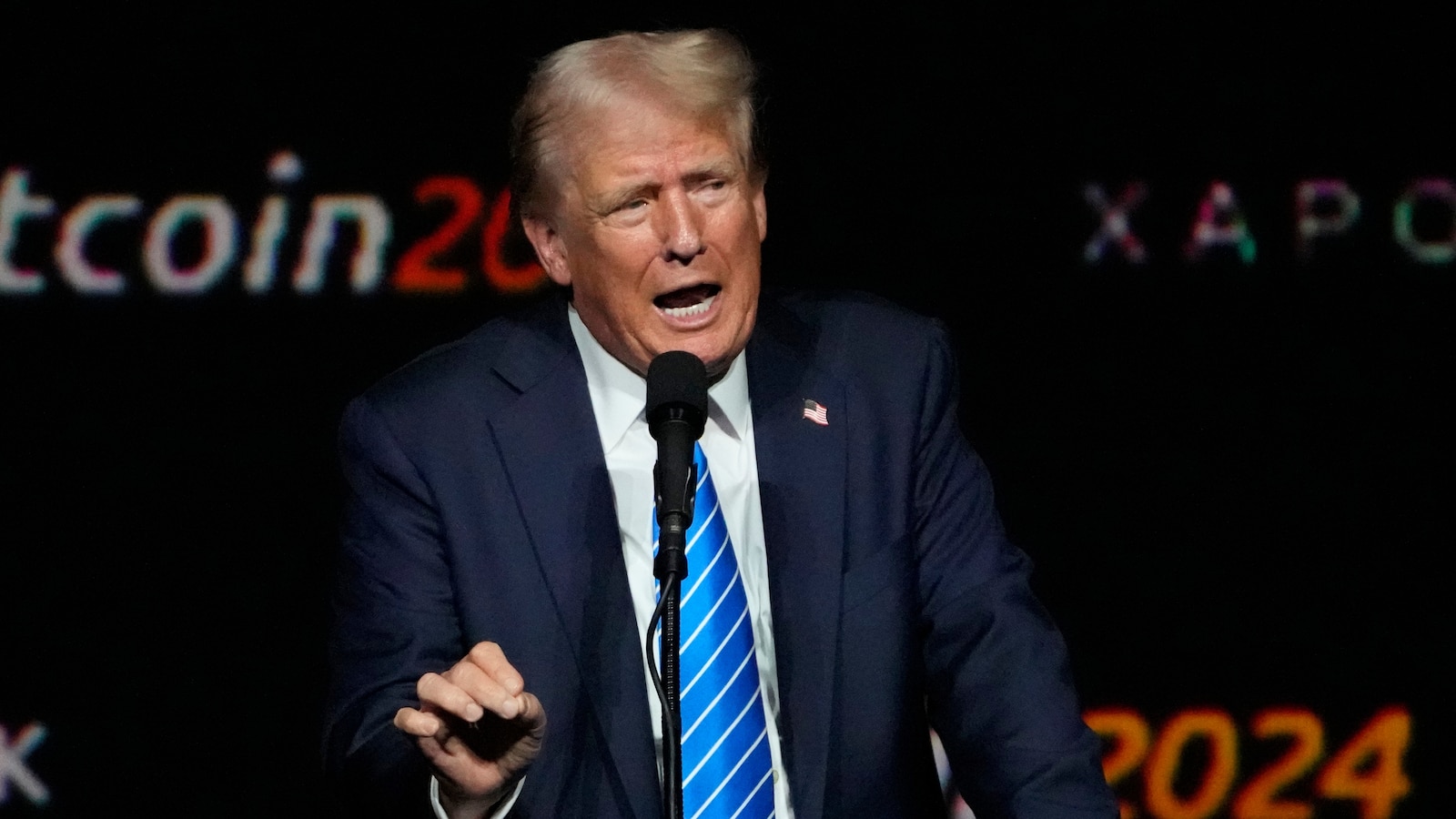 CryptoTrump agreed to new ethics rules to get a crypto bill across the line. But that might not be enough - ABC News - Breaking News, Latest News and Videosvor einer Stunde · 6 min read
 CryptoTrump accepts 80% of ethics deal easing Senate path for CLARITY Act vote on crypto rulesvor einer Stunde · 1 min read
Sponsored
Ad
NewsLayerLearn more
NewsLayer Premium
Unlock deeper intelligence.
Ad-free reading, exclusive research, and real-time onchain insights.
Go Premium