
Dr. Priya Sharma will explore a novel approach to quantum computing after receiving £1.3 million as part of a combined £2.7 million UKRI Future Leaders Fellowship, alongside Dr. Sacha Beniamine, to develop a qubit based on superfluid helium-3. Building on her recently published conceptual design for the Superfluid Helium Oscillator Quantum (SHOQ) device, the first reported design of its kind, Sharma’s research aims to address electromagnetic noise that limits current superconducting qubits.
Leverhulme Backs Superfluid Helium Qubit Design With £1.3M UKRI Fellowship
Dr. Priya Sharma will explore a novel approach to quantum computing after receiving £1.3 million as part of a combined £2.7 million UKRI Future Leaders Fellowship, alongside Dr. Sacha Beniamine, to develop a qubit based on superfluid…
Quantum Zeitgeist
Publisher
Sep 22, 2026 at 11:10 AM UTC · 3 Min. Lesezeit
Übersetzung…
“This Fellowship gives me the opportunity to take an idea that grew from bringing together two very different areas of physics and explore its potential as a new platform for quantum technology,” says Sharma, a Research Fellow in Hybrid Quantum Systems, with long-term plans to secure patents and attract investment for a quantum hardware start-up. She joined Surrey as a Daphne Jackson Fellow in 2023 and has since been named Researcher of the Year in the School of Mathematics and Physics in 2024 and received the University’s Vice-Chancellor’s Career Returner Award in 2025.
Superfluid Helium SHOQ Device Advances Quantum Computing
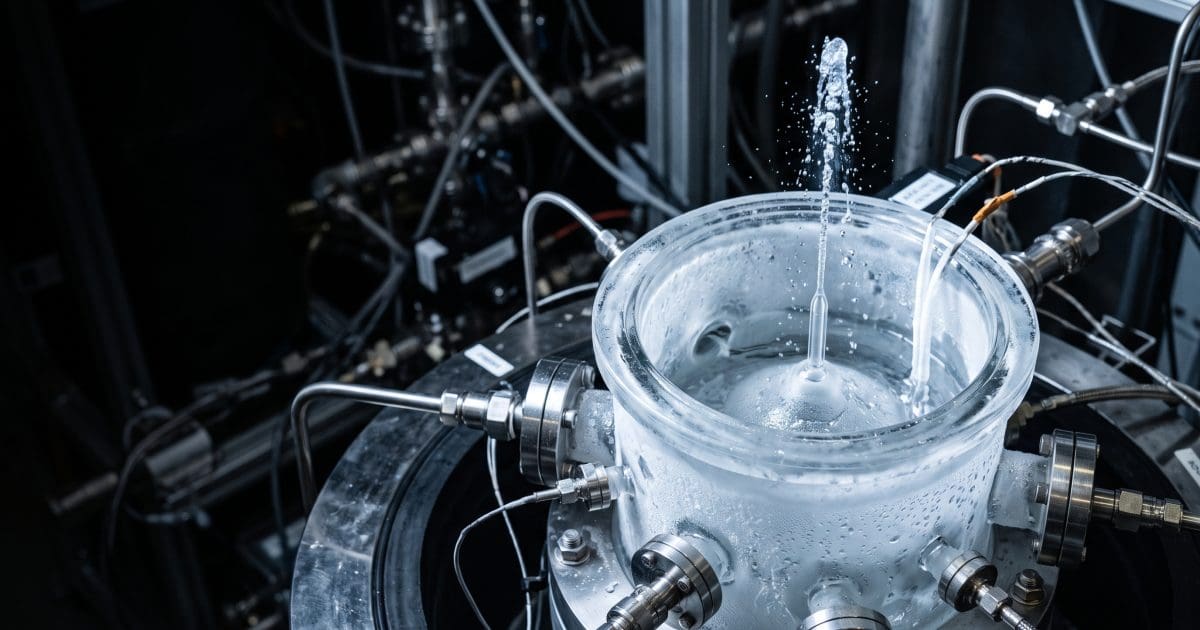
The first reported design for a qubit utilizing superfluid helium-3 is now receiving £1.3 million in funding, shared with Dr. Sacha Beniamine who also received £1.4 million, to move beyond conceptualization. This novel approach aims to circumvent limitations currently hindering the scalability of quantum computers, specifically the susceptibility of superconducting qubits to electromagnetic interference. Unlike conventional qubits, the SHOQ device uses charge-neutral superfluid helium-3, a state of matter potentially offering inherent resilience to this disruptive noise.
Article Intelligence
Topics
Sponsored
Ad
NewsLayerLearn more
NewsLayer Premium
Unlock deeper intelligence.
Ad-free reading, exclusive research, and real-time onchain insights.
Go Premium