
NEC spent decades developing quantum hardware, but it's time to leave
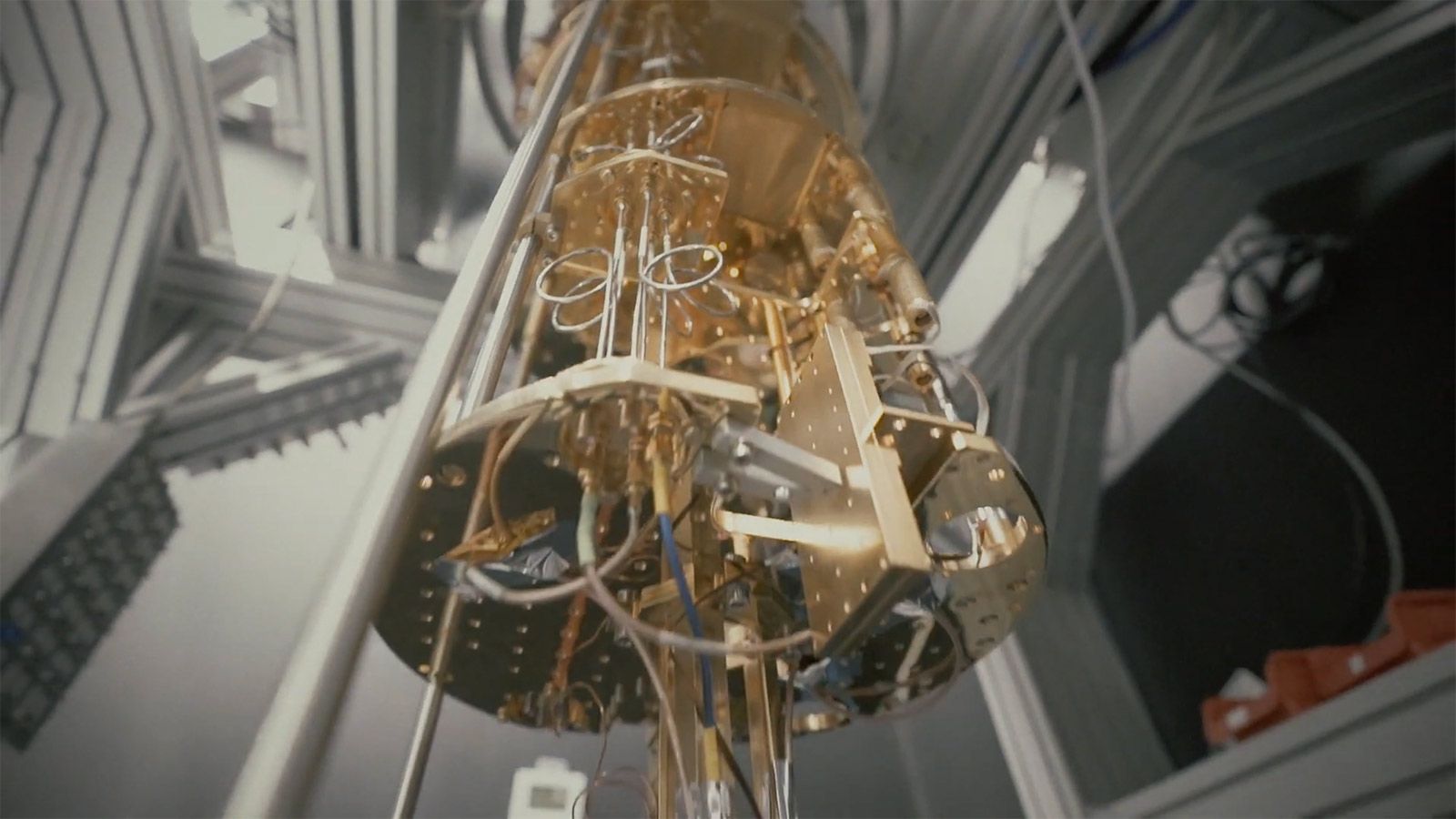
NEC has reportedly stopped building physical quantum computers after roughly three decades of research into superconducting circuits and solid-state qubit technology.
TechRadar
Publisher
Sep 12, 2026 at 8:05 PM UTC · Updated vor 21 Stunden · 3 Min. Lesezeit
Key Signal
256 qubits Fujitsu system launch
Last Updated
vor 21 Stunden
Übersetzung…
- NEC has reportedly ended quantum hardware development after nearly three decades of research
- Several NEC quantum researchers have reportedly moved to rival Fujitsu
- NEC once ranked first globally in semiconductor sales in 1990
NEC has reportedly stopped building physical quantum computers after roughly three decades of research into superconducting circuits and solid-state qubit technology.
The Japanese technology company is instead expected to concentrate on quantum applications while avoiding the costs associated with developing physical machines.
Several engineers connected to the initiative, including a senior research figure, subsequently moved across to rival firm Fujitsu to continue their work.
Latest Videos FromTechRadar
A legacy built on chip dominance
NEC once dominated the global chip industry, ranking first worldwide in semiconductor sales back in 1990, ahead of several rivals.
Companies such as Hitachi, Toshiba, Fujitsu, Motorola and Intel all trailed well behind NEC's chip business throughout that period.
Intel eventually surpassed NEC as personal computer processors grew into a massive and highly profitable segment of the global electronics market.
NEC's 1999 breakthrough in superconducting qubits emerged from a firm that possessed vast internal expertise in solid-state device engineering and manufacturing.
Article Intelligence
Topics
Sponsored
Ad
NewsLayerLearn more
NewsLayer Premium
Unlock deeper intelligence.
Ad-free reading, exclusive research, and real-time onchain insights.
Go Premium