This website uses cookies
We use cookies to personalise content and ads, to provide social media features and to analyse our traffic. We also share information about your use of our site with our social media, advertising and analytics partners who may combine it with other information that you’ve provided to them or that they’ve collected from your use of their services.
Consent Selection
Details
  • Necessary cookies help make a website usable by enabling basic functions like page navigation and access to secure areas of the website. The website cannot function properly without these cookies.
  • Preference cookies enable a website to remember information that changes the way the website behaves or looks, like your preferred language or the region that you are in.
    • We do not use cookies of this type.

  • Statistic cookies help website owners to understand how visitors interact with websites by collecting and reporting information anonymously.
    • We do not use cookies of this type.

  • Marketing cookies are used to track visitors across websites. The intention is to display ads that are relevant and engaging for the individual user and thereby more valuable for publishers and third party advertisers.
    • We do not use cookies of this type.

  • Unclassified cookies are cookies that we are in the process of classifying, together with the providers of individual cookies.
    • __emg_sidPending
      Maximum Storage Duration: 1 dayType: HTTP Cookie
      __emg_vidPending
      Maximum Storage Duration: 1 yearType: HTTP Cookie
      nl-read-countPending
      Maximum Storage Duration: PersistentType: HTML Local Storage
Cookie declaration last updated on 8/12/26 by Cookiebot
[#IABV2_TITLE#]
[#IABV2_BODY_INTRO#]
[#IABV2_BODY_LEGITIMATE_INTEREST_INTRO#]
[#IABV2_BODY_PREFERENCE_INTRO#]
[#IABV2_BODY_PURPOSES_INTRO#]
[#IABV2_BODY_PURPOSES#]
[#IABV2_BODY_FEATURES_INTRO#]
[#IABV2_BODY_FEATURES#]
[#IABV2_BODY_PARTNERS_INTRO#]
[#IABV2_BODY_PARTNERS#]
About
Cookies are small text files that can be used by websites to make a user's experience more efficient.

The law states that we can store cookies on your device if they are strictly necessary for the operation of this site. For all other types of cookies we need your permission.

This site uses different types of cookies. Some cookies are placed by third party services that appear on our pages.

You can at any time change or withdraw your consent from the Cookie Declaration on our website.

Learn more about who we are, how you can contact us and how we process personal data in our Privacy Policy.

Please state your consent ID and date when you contact us regarding your consent.
NewsLayer.com

Quantum Hacking May Target Exchanges Before Satoshi Wallets, Report Says

Veröffentlicht vor 2 Tagen 1 Min. Lesezeit
Quantum Hacking May Target Exchanges Before Satoshi Wallets, Report Says

Quantum Hacking May Target Exchanges Before Satoshi Wallets, Report Says bloomingbit

Forecast Trend Report by Period

Photo: Shutterstock

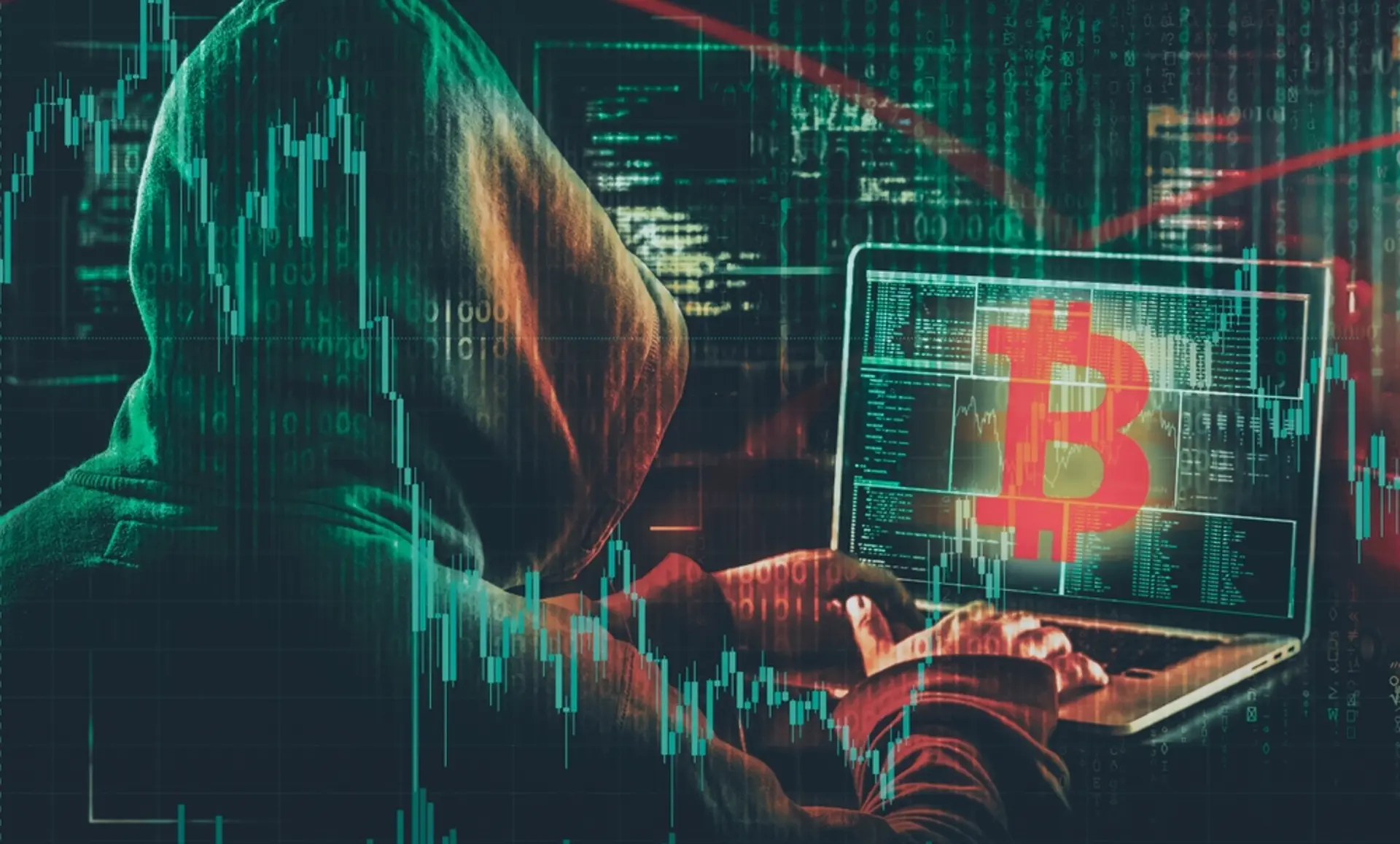
If the so-called Q-Day arrives and quantum computers break current cryptography, wallets controlled by exchanges or stablecoin issuers could be targeted before the Bitcoin linked to Satoshi Nakamoto, Cointelegraph reported on August 10.

Christopher Smith, co-founder and chief executive officer of Quantus Network, said a sufficiently powerful quantum computer could derive a private key from a public key alone and steal assets. Unlike conventional hacks, such breaches may leave little to no forensic evidence.

“If someone cracks your private key, that doesn’t mean they leave behind a message explaining how the attack happened,” Smith said. At a heavily secured institution, the absence of any clear sign of compromise could itself be the only clue.

Markets have long worried that Satoshi Nakamoto’s Bitcoin, estimated at about 1.1 million BTC, would be the first major asset threatened by quantum computing. Smith argued that a real attacker would more likely pursue targets with greater economic value, such as exchange hot wallets or administrator wallets with authority to issue Tether’s USDT.

“The most valuable key on a blockchain may not be Satoshi’s wallet but Tether’s issuance key,” he said. “If someone takes that, they could mint new tokens and sell them into the market.”

Shawn Chittum, a security researcher at Blockchain Capital, also said attackers would likely target exchange hot wallets rather than Satoshi-linked wallets that would immediately draw market attention. Smith added that an attacker could disguise such an incident as a routine private-key compromise and hide the use of a quantum computer.

Opinions differ on when Q-Day could arrive. Google in March moved up its target date for transitioning to quantum-resistant cryptography to 2029 after artificial intelligence helped improve the efficiency of quantum algorithms.

Smith said there is about a 50% chance that quantum computers could break existing public-key cryptography before 2028, given the pace of AI development. Chittum, by contrast, placed the more realistic timeline in the early 2030s.

Attribution

Originally reported by bloomingbit

Get stories like this, daily.

Daily crypto + regulation intelligence, straight to your inbox. Free.

Ähnliche Artikel