

Insider Brief
Who Will Actually Use Quantum Computers? Study Identifies 11 User Types
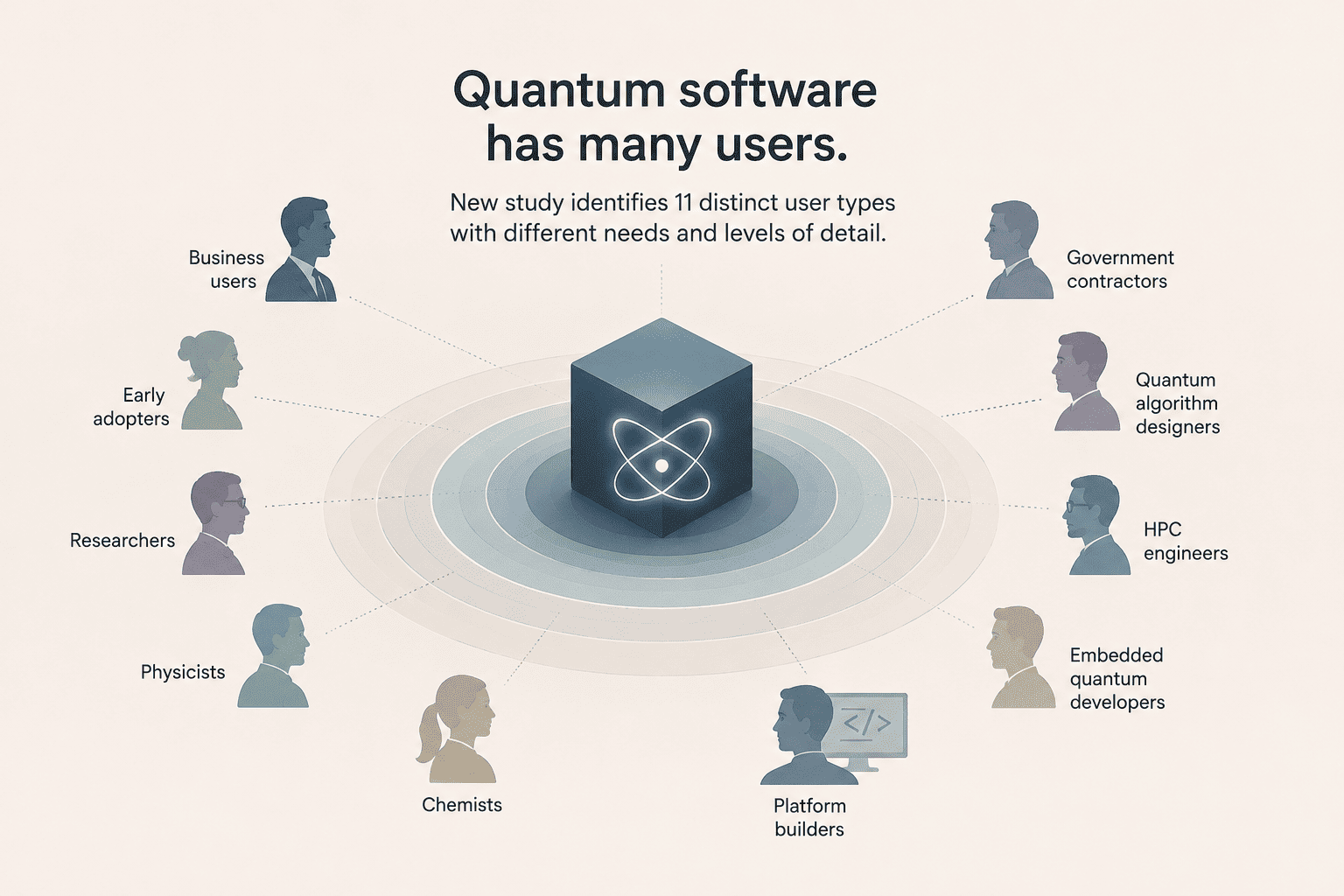
Insider Brief Quantum computing might have a user problem as well as a hardware problem, according to a new study that identifies 11 types of people likely to interact with quantum software. The researchers also found that that these…
Matt Swayne
Publisher The Quantum Insider
Aug 21, 2026 at 8:19 AM UTC · Updated vor 2 Monaten · 9 Min. Lesezeit
Übersetzung…
- Researchers identified 11 distinct quantum software user personas, suggesting the industry may need different interfaces and levels of technical detail for different users.
- Business users and early adopters generally favor high-level tools focused on results, while algorithm designers, HPC engineers and embedded developers require deeper access to hardware and system details.
- The study is exploratory, drawing on a quantum software expert group and nine practitioner interviews, and the researchers say the personas should be refined through broader future user studies.
Quantum computing might have a user problem as well as a hardware problem, according to a new study that identifies 11 types of people likely to interact with quantum software.
The researchers also found that that these different users can require much different ways of accessing the technology.
The study, posted on arXiv and scheduled for the ACM/IEEE 29th International Conference on Model Driven Engineering Languages and Systems, or MODELS Companion 2026, attempts to determine who will actually use quantum computers, a question that could become increasingly important as quantum computers move toward practical applications.
Article Intelligence
Related Coverage
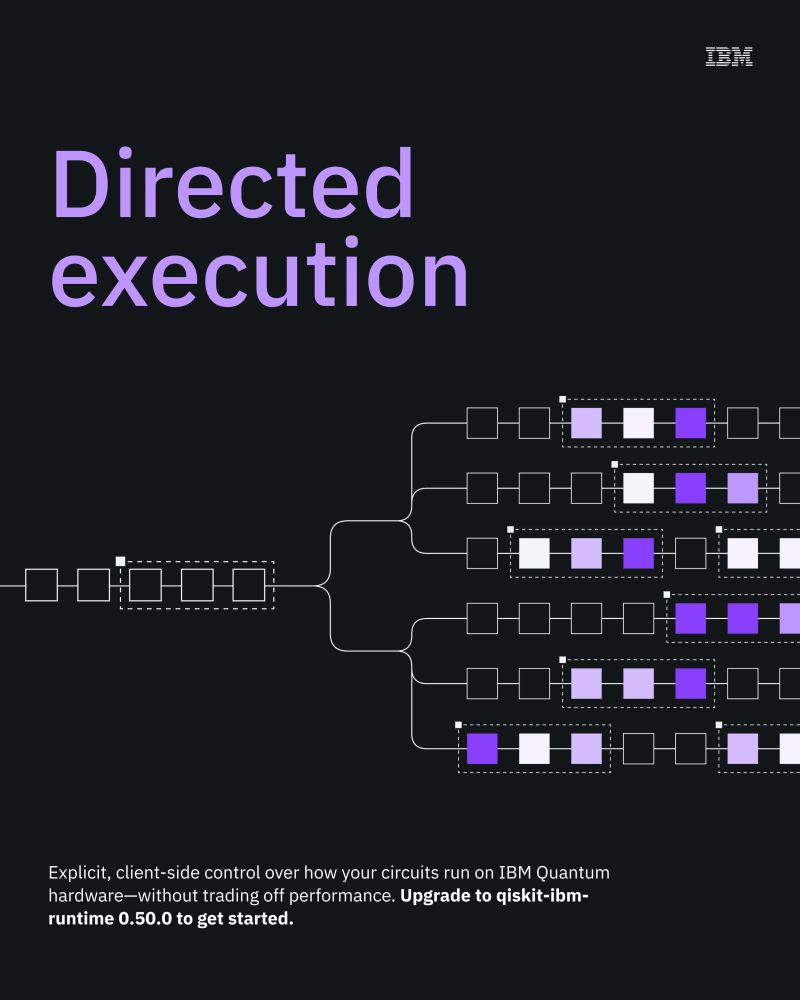 ResearchIBM Launches Directed Execution Model and Executor Primitive to Give Researchers Client-Side Control Over QEC Workflowsvor einem Tag · 2 min read
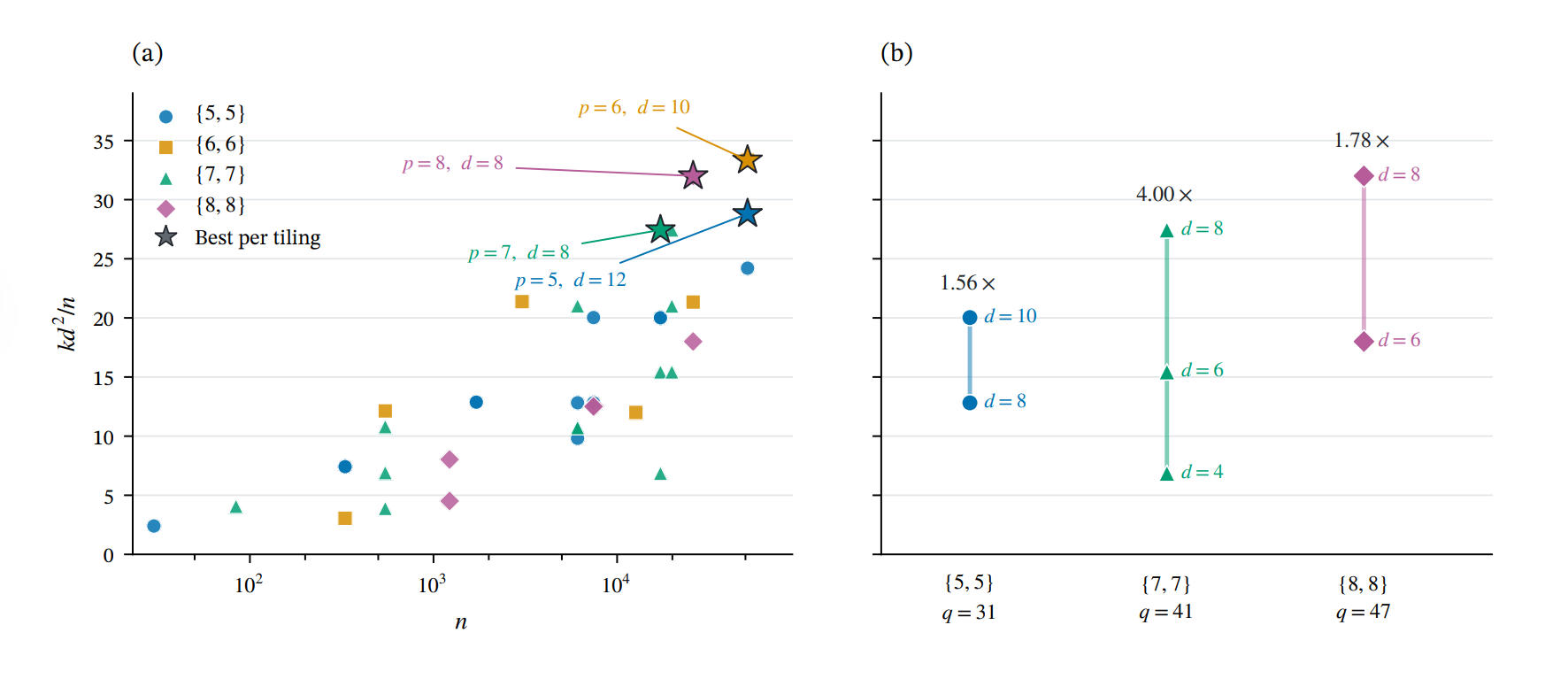 ResearchUniversity of Saskatchewan Researchers Achieve Record Hyperbolic Surface Code Efficiency for Modular Fault-Tolerant Architecturesvor einem Tag · 2 min read
 QuantumIBM Expands Qiskit Beyond Python with Native C API Bindings for Fortran, C++, and Juliavor einem Tag · 4 min read
Sponsored
Ad
NewsLayerLearn more
NewsLayer Premium
Unlock deeper intelligence.
Ad-free reading, exclusive research, and real-time onchain insights.
Go Premium