
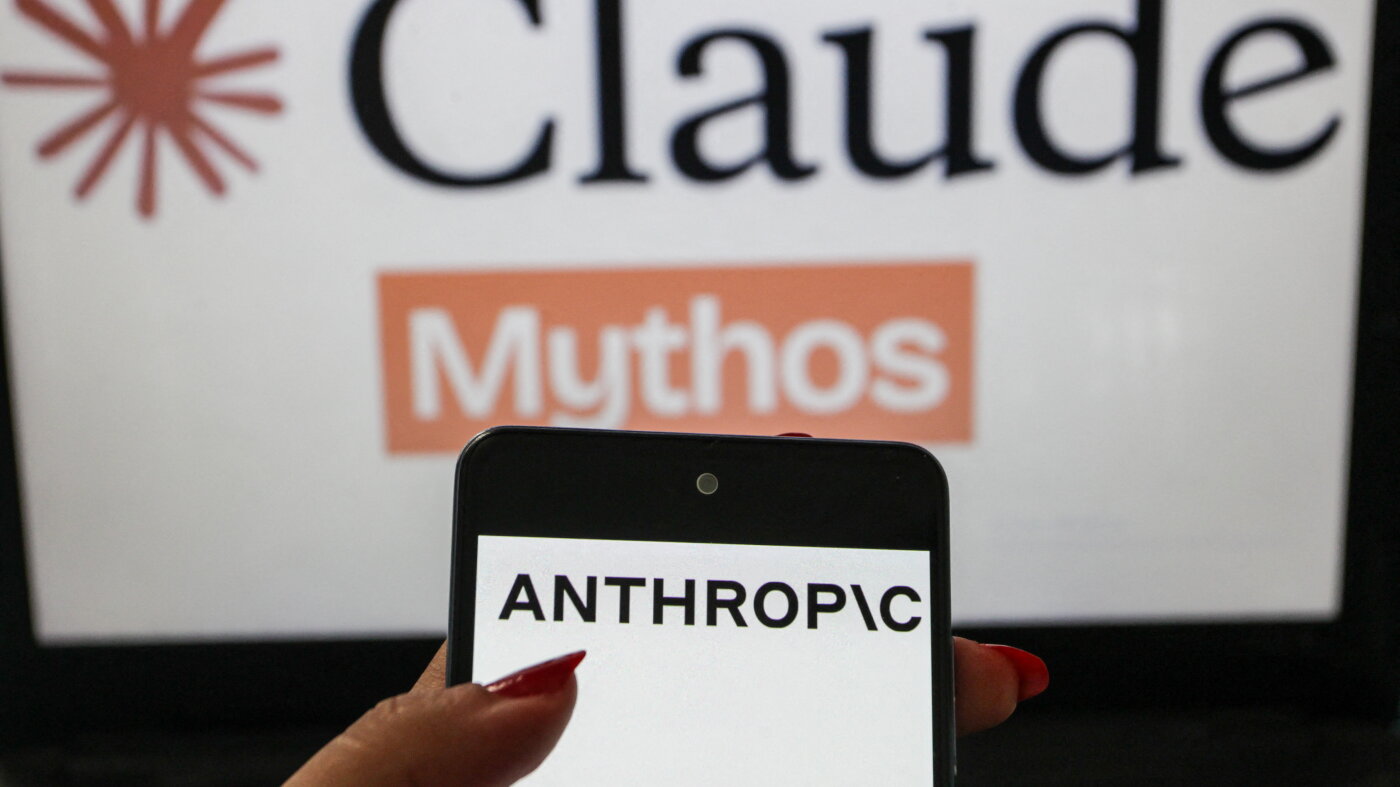
Anthropic, the artificial intelligence company behind the Claude assistant, has created an interactive tool to show how AI might affect the U.S economy a little or a lot in the next few years. Imen Ben Youssef/AFP hide caption
A new Anthropic model seeks to test how AI could impact the U.S. economy
Anthropic, the artificial intelligence company behind the Claude assistant, has created an interactive tool to show how AI might affect the U.S economy a little or a lot in the next few years. Imen Ben Youssef/AFP hide caption
NPR
Publisher
Sep 9, 2026 at 1:34 PM UTC · Updated hace 7 horas · 2 min de lectura
Imen Ben Youssef/AFP
Will artificial intelligence light a fire under the U.S. economy in the coming years? That's been a big question in the field of economics, and now Anthropic — the company behind the popular Claude AI assistant — is taking a stab at helping people find their own answers. The company has created an interactive tool that lets users test their assumptions about how productive — or disruptive — the AI boom might be.
In one scenario, artificial intelligence provides a gentle boost to the economy, lifting growth rates with little effect on workers. At the other extreme, GDP soars, but so does unemployment, with nearly 14% of workers losing their jobs to AI and less than half of them finding new ones.
The different outcomes depend on how capable and flexible the technology is, how quickly it's adopted, whether it supports or replaces workers, and whether displaced workers find new work to do.
"In the modest change scenario, AI is a small technology. The economy continues on a 'normal' path with AI making changes around the margins," Anthropic experts write in an accompanying blog post. "In the extreme scenario, AI transforms the economy. The macroeconomic consequences go well beyond any event in history, both in terms of magnitudes and in terms of the speed at which change happens."
Article Intelligence
Topics
Sponsored
Ad
NewsLayerLearn more
NewsLayer Premium
Unlock deeper intelligence.
Ad-free reading, exclusive research, and real-time onchain insights.
Go Premium