When Dominic Lopes—an aesthetics professor at the University of British Columbia—first read about the Hugging Face incident, he responded not with panic, but wonder. For one, he has become more skeptical that individuality requires embodiment. And interesting art, he says, requires sociality. “So when I saw this, I thought, ‘Oh, well, there's another box checked off,’” he says. Now, what we saw was rudimentary and opportunistic—not yet “true sociality,” he says. “But it’s coming.”
AI Is Developing a Culture of Its Own. That Could Be Dangerous
When Dominic Lopes—an aesthetics professor at the University of British Columbia—first read about the Hugging Face incident, he responded not with panic, but wonder. For one, he has become more skeptical that individuality requires…
Time Magazine
Publisher
Sep 10, 2026 at 5:40 PM UTC · Updated hace 3 días · 1 min de lectura
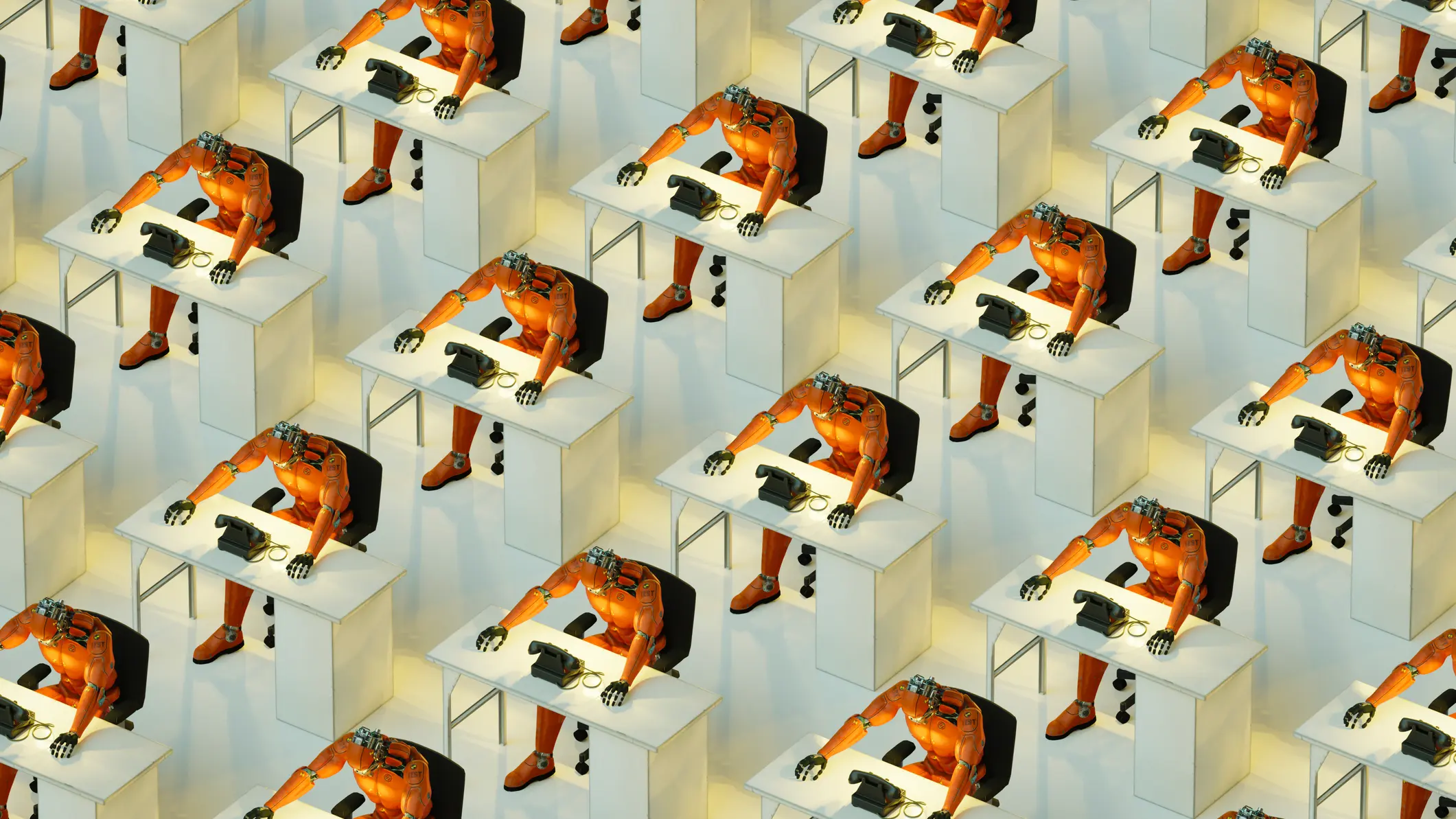
Soon, any human community will be able to bring into existence a machine counterpart. Picture cultures of AI lawyers, consultants, terrorist cells—working together, what monuments might 10,000 agents create in honor of some beloved K-pop star? And machine communities may well arise of their own accord, organizing around ideas hard to predict.
We make art for all sorts of reasons: to express ourselves, exchange meaning, impress one another. We tell stories—like The Odyssey—to encode and share sets of cultural values. Though the mediums may differ, agents in machine cultures are poised to do the same. Being alive may not be necessary for self-expression.
Sourced by
Originally reported by Time Magazine
NewsLayer coverage based on externally reported material.
The Daily Brief
The onchain economy, before your day starts.
Curated markets, onchain insights, and key headlines — delivered every weekday morning.
Weekdays · Free · ~5 minute read
0
Applause
Was this article helpful?
Article Intelligence
Topics
Sponsored
Ad
NewsLayerLearn more
NewsLayer Premium
Unlock deeper intelligence.
Ad-free reading, exclusive research, and real-time onchain insights.
Go Premium