
Insider Brief
Argonne lanza un proyecto de $1 millón para desarrollar sensores cuánticos de diamante para física de partículas
Comunicado de prensa de Insider Brief – Un nuevo proyecto de Argonne reúne a expertos en ciencia de la información cuántica y física de altas energías para construir sensores cuánticos basados en diamante capaces de medir campos electromagnéticos con una precisión sin precedentes. Comprender cómo interactúan los componentes fundamentales más pequeños del universo requiere una comprensión precisa de cómo las fuerzas electromagnéticas afectan a la materia. Ya sea que los científicos estén […]
Mohib Ur Rehman
Publisher The Quantum Insider
Aug 18, 2026 at 5:40 AM UTC · Updated hace 2 meses · 5 min de lectura
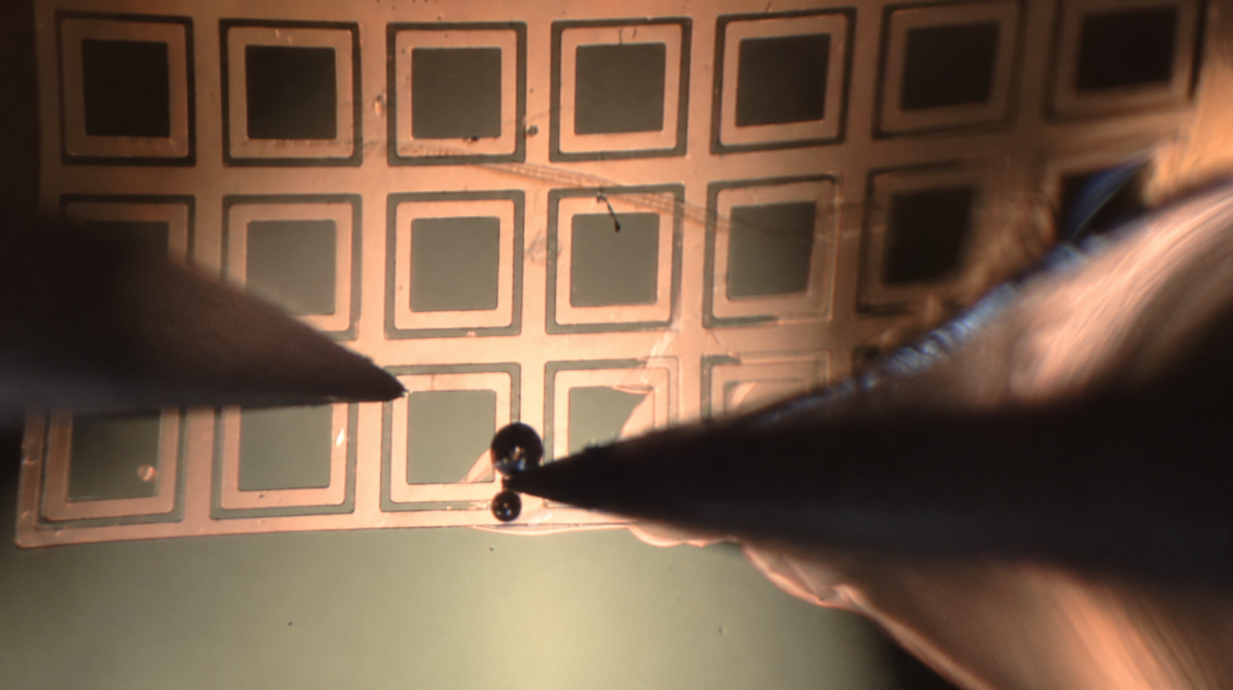
- Argonne National Laboratory está lanzando un proyecto de tres años y $1 million para desarrollar sensores cuánticos basados en diamantes para mediciones de campos electromagnéticos de alta precisión en experimentos de física de altas energías.
- El proyecto utilizará centros de vacante de nitrógeno (NV) en diamantes para desarrollar sensores y sistemas de mapeo de campos magnéticos que puedan operar en entornos de campo alto y ricos en radiación.
- Los investigadores desarrollarán y probarán prototipos de sensores antes de trabajar en sistemas listos para el campo que puedan integrarse con futuros experimentos de física de partículas.
Comunicado de prensa – Un nuevo proyecto de Argonne está reuniendo a expertos en ciencia de la información cuántica y física de altas energías para construir sensores cuánticos basados en diamantes capaces de medir campos electromagnéticos con una precisión sin precedentes.
Comprender cómo interactúan los componentes más pequeños del universo requiere una comprensión precisa de cómo las fuerzas electromagnéticas afectan a la materia.
Ya sea que los científicos midan el momento de fragmentos de materia que surgen de una colisión de partículas o rastreen cambios sutiles en el movimiento de partículas almacenadas en un anillo magnético, necesitan comprender los campos electromagnéticos circundantes y cómo esos campos cambian en el espacio y el tiempo. Incluso pequeñas incertidumbres pueden limitar la precisión de un experimento.
Article Intelligence
Sponsored
Ad
NewsLayerLearn more
NewsLayer Premium
Unlock deeper intelligence.
Ad-free reading, exclusive research, and real-time onchain insights.
Go Premium