
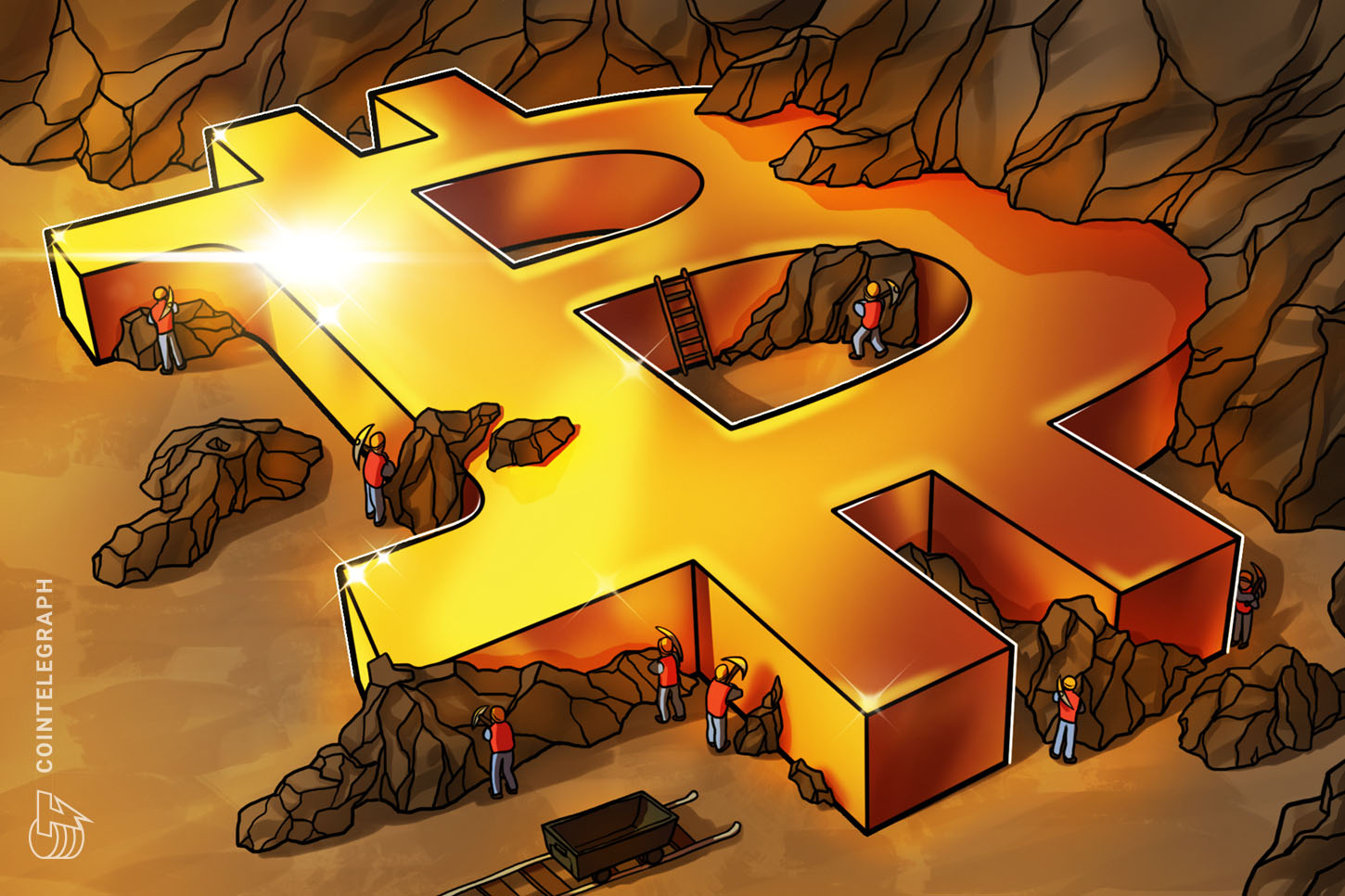
Las comisiones por transacciones de Bitcoin (BTC) representan ahora solo el 0,69% de los ingresos de los mineros, mientras los principales actores pivotan hacia la IA.
Mineros de Bitcoin ganan menos del 0.7% por comisiones, mínimo de 10 años
Los mineros de Bitcoin mostraron una tendencia “preocupante” de pivotar hacia la AI ante la reducción de ganancias, mientras los ingresos por comisiones apenas repuntaron de mínimos de 10 años del 0.52%.
Cointelegraph by William Suberg
Publisher Cointelegraph
Aug 12, 2026 at 10:06 AM UTC · 2 min de lectura
Key Signal
0.69% Miner revenue from fees
Entities
bitcoin
Market Impact
BTC-0.97%$83,621
Last Updated
hace 2 meses
Puntos clave:
- Los mineros de Bitcoin dependen ahora de las subvenciones por bloque más que en cualquier otro momento de la última década, según muestran los datos.
- El hash rate de Bitcoin ha disminuido un 33% desde octubre de 2025.
- Los analistas advierten que el cambio de los mineros a la IA podría afectar a la red.
La cuota de ingresos por comisiones de los mineros de Bitcoin vuelve a los niveles de 2016
Los datos de la plataforma de análisis onchain Glassnode muestran que las comisiones como proporción de los ingresos de los mineros se mantienen cerca de los mínimos de la década tras caer a solo el 0,52% en abril.
Los mineros se enfrentan a una presión continua a medida que la caída de los precios de Bitcoin y el aumento de los costes de electricidad reducen los beneficios y obligan a los pequeños actores a abandonar el mercado. El cofundador de Glassnode, Rafael Schultze-Kraft, señaló que las comisiones habían representado menos del 1% de los ingresos de los mineros durante casi un año.
“Bitcoin estaba por debajo de $400 la última vez que la cuota de comisiones fue tan baja”, dijo en X.
Market Context
Bitcoin
BTC
$83,629
-0.96% (24H)
Market Cap
$1.69T
Circulating Supply
20.1M BTC
24H Volume
$24.1B
24H High
$85,143
Article Intelligence
Key Entities
Topics
Related Coverage
 CryptoCapital B intensifies Bitcoin buying, holding 3...hace 15 minutos · 1 min read
 CryptoCapital B accelerates Bitcoin buys via equity a...hace 15 minutos · 1 min read
 CryptoWaiting for a 30% Bitcoin dip led to higher pur...hace 15 minutos · 1 min read
Sponsored
Ad
NewsLayerLearn more
NewsLayer Premium
Unlock deeper intelligence.
Ad-free reading, exclusive research, and real-time onchain insights.
Go Premium