
Large institutional investors increasingly describe Bitcoin (BTC) as a digital counterpart to gold, yet they still place it inside the same portfolio sleeve they use for technology and other crypto-assets.
Bitcoin Price Holds $84K–$87K as Bitwise Says Institutions Treat BTC Like Gold but Invest Like Tech Stocks
Large institutional investors increasingly describe Bitcoin (BTC) as a digital counterpart to gold, yet they still place it inside the same portfolio sleeve they use for technology and other crypto-assets.
Crowdfund Insider
Publisher
Sep 25, 2026 at 7:42 PM UTC · 3 min de lectura

Key Signal
1%-2% Typical institutional allocation
Entities
bitcoin
Market Impact
BTC-1.82%$82,917
Last Updated
hace 3 días
That contradiction sits at the center of a new Bitwise research study based on interviews with senior allocators at 15 major institutions, including pensions, endowments, sovereign wealth funds, family offices, consultants, and public companies.
The conversations, conducted in March and April 2026 when bitcoin traded near $75,000, showed a consistent pattern.
Every institution that held crypto owned bitcoin.
For nearly all of them it was the first, largest, and longest-held digital asset.
Many framed it as a store of value with asymmetric upside and said they often pair it with gold as a hedge against currency debasement.
At the same time, they continue to group bitcoin with other digital assets rather than treating it as a standalone commodity allocation.
Allocations typically sit between 1% and 2% of investable assets, with a reported range from 0.5% to 13%.
Positions are spread across spot exchange-traded funds, direct holdings, venture investments, and hedge funds.
The same interviews found that none of the 15 institutions cut exposure during the roughly 50% drawdown from late 2025 into the second quarter of 2026. Several added.
Market Context
Bitcoin
BTC
$82,830
-1.92% (24H)
Market Cap
$1.67T
Circulating Supply
20.1M BTC
24H Volume
$37.1B
24H High
$85,061
Article Intelligence
Key Entities
Related Coverage
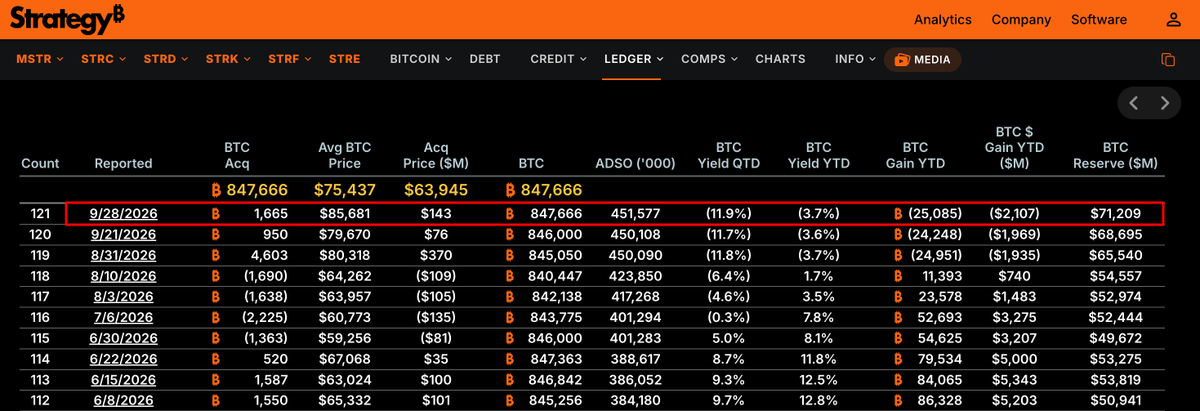 CryptoSTRATEGY BUYS ANOTHER $143M BITCOIN Michael Saylor's Strategy acquired 1,665 $Bitcoin (BTC.CC)$ for ~$143M at an average price of $85,681. The company now holds 847,666 $Bitcoin (BTC.CC)$ , worth ~$71.21B. Strategy also repurchased $152hace 3 horas · 1 min read
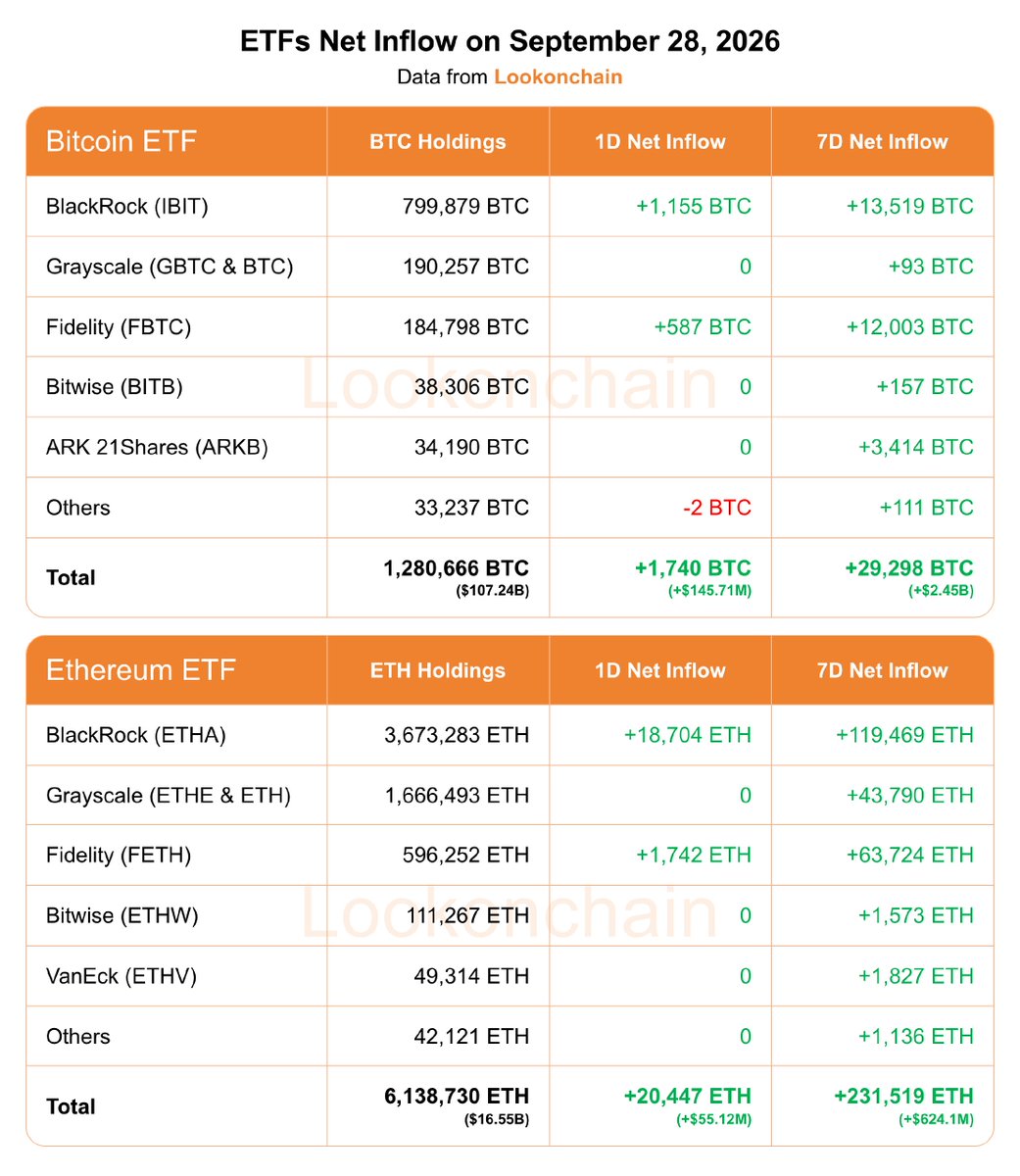 Crypto1D NetFlow: +1,740 $Bitcoin (BTC.CC)$ (+$145.71M)🟢 7D NetFlow: +29,298 $Bitcoin (BTC.CC)$ (+$2.45B)🟢hace una hora · 1 min read
 CryptoBitcoin’s $2.4B ETF Inflow Test: Can $80K Hold?hace una hora · 5 min read
Sponsored
Ad
NewsLayerLearn more
NewsLayer Premium
Unlock deeper intelligence.
Ad-free reading, exclusive research, and real-time onchain insights.
Go Premium