This website uses cookies
We use cookies to personalise content and ads, to provide social media features and to analyse our traffic. We also share information about your use of our site with our social media, advertising and analytics partners who may combine it with other information that you’ve provided to them or that they’ve collected from your use of their services.
Consent Selection
Details
  • Necessary cookies help make a website usable by enabling basic functions like page navigation and access to secure areas of the website. The website cannot function properly without these cookies.
  • Preference cookies enable a website to remember information that changes the way the website behaves or looks, like your preferred language or the region that you are in.
    • We do not use cookies of this type.

  • Statistic cookies help website owners to understand how visitors interact with websites by collecting and reporting information anonymously.
    • We do not use cookies of this type.

  • Marketing cookies are used to track visitors across websites. The intention is to display ads that are relevant and engaging for the individual user and thereby more valuable for publishers and third party advertisers.
    • We do not use cookies of this type.

  • Unclassified cookies are cookies that we are in the process of classifying, together with the providers of individual cookies.
    • __emg_sidPending
      Maximum Storage Duration: 1 dayType: HTTP Cookie
      __emg_vidPending
      Maximum Storage Duration: 1 yearType: HTTP Cookie
      nl-read-countPending
      Maximum Storage Duration: PersistentType: HTML Local Storage
Cookie declaration last updated on 8/12/26 by Cookiebot
[#IABV2_TITLE#]
[#IABV2_BODY_INTRO#]
[#IABV2_BODY_LEGITIMATE_INTEREST_INTRO#]
[#IABV2_BODY_PREFERENCE_INTRO#]
[#IABV2_BODY_PURPOSES_INTRO#]
[#IABV2_BODY_PURPOSES#]
[#IABV2_BODY_FEATURES_INTRO#]
[#IABV2_BODY_FEATURES#]
[#IABV2_BODY_PARTNERS_INTRO#]
[#IABV2_BODY_PARTNERS#]
About
Cookies are small text files that can be used by websites to make a user's experience more efficient.

The law states that we can store cookies on your device if they are strictly necessary for the operation of this site. For all other types of cookies we need your permission.

This site uses different types of cookies. Some cookies are placed by third party services that appear on our pages.

You can at any time change or withdraw your consent from the Cookie Declaration on our website.

Learn more about who we are, how you can contact us and how we process personal data in our Privacy Policy.

Please state your consent ID and date when you contact us regarding your consent.
NewsLayer.com
NewsLayer PulseLIVEBTC$63,318+0.63%ETH$1,894+0.82%SOL$75.28+0.05%XRP$0.9967-0.26%DOGE$0.0701+0.63%ADA$0.1746-1.29%Total Cap$2.28T+0.41%Layer Index42 Neutral
External ReportingPublicado hace 5 horas

Foreign Investors Bet $3.6 Billion on Samsung, SK Hynix as Retail Traders Hold Back

Major U.S. media outlets have turned more bullish on South Korean stocks, saying the market has entered a technical bull phase and may continue its sharp rebound. The Kospi has climbed more than 20% in a little over 10 days as concern…

Foreign Investors Bet $3.6 Billion on Samsung, SK Hynix as Retail Traders Hold Back
Publisher en.bloomingbit.io 4 min de lectura
Image via en.bloomingbit.io
Traduciendo…

Regulation Context

Track live crypto policy developments across jurisdictions.

Layer Index

42
  • Foreign investors have led the Kospi bull run by net buying more than 3 trillion won ($2.16 billion) of memory-chip stocks including Samsung Electronics and SK Hynix.
  • Easing concerns over global AI investment, renewed expectations for a rebound in memory demand, and steady U.S. CPI data are boosting expectations for further gains in the Kospi.
  • Analysts said continued foreign buying and a memory supply bottleneck increase the chances that Samsung Electronics and SK Hynix will post higher profit levels.

Forecast Trend Report by Period

Kospi Extends Rally as AI Spending Fears Ease

Samsung Electronics, SK Hynix Lead Advance

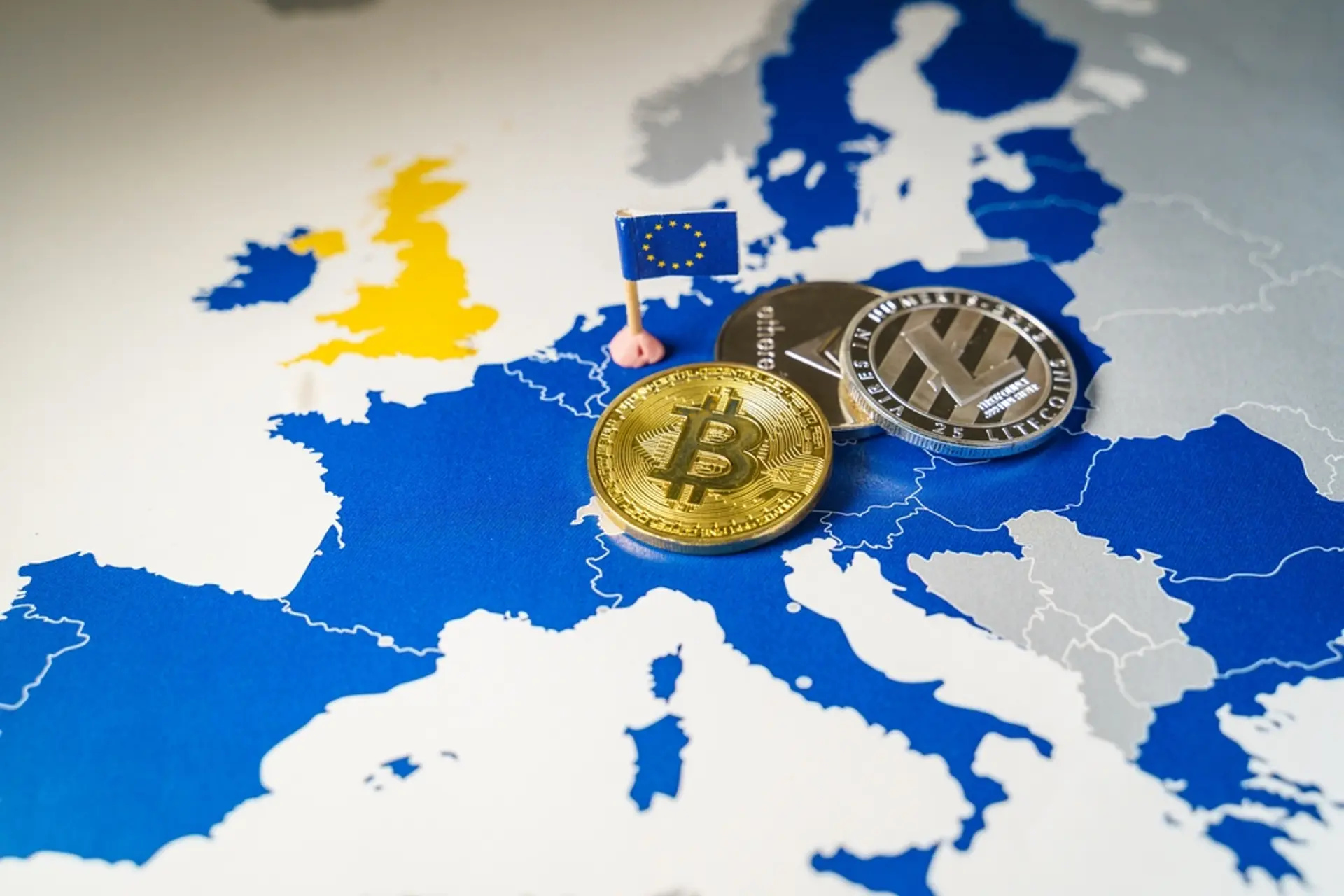
Major U.S. media outlets have turned more bullish on South Korean stocks, saying the market has entered a technical bull phase and may continue its sharp rebound. The Kospi has climbed more than 20% in a little over 10 days as concern over AI spending eased and memory-chip stocks led by Samsung Electronics and SK Hynix drove the advance. Foreign money has piled into large semiconductor shares, fueling expectations for further gains in the benchmark index.

‘Kospi Back in Full Greed Mode’

EpicAI, an AI-based investment information platform, said the Kospi closed at 6,977.92 on Aug. 14, up 164.66 points, or 2.42%, from the previous session. Retail and institutional investors were net sellers of 1.8878 trillion won ($1.36 billion) and 1.1413 trillion won ($822 million), respectively, while foreigners were net buyers of 3.0549 trillion won ($2.2 billion).

Over the past five trading days, the Kospi rose from 6,299.66 to 6,977.94. That left the index up more than 20% from its July 30 low. A gain of 20% or more from a recent trough is typically considered the threshold for a technical bull market.

As the Kospi extended its rebound, overseas media outlets began taking a more positive view of South Korean equities. Bloomberg reported on Aug. 13 that South Korean stocks had surged 22% in 10 days, led by semiconductor shares including Samsung Electronics and SK Hynix. Earnings reports released at the end of July by Microsoft and Amazon, two of the biggest AI spenders, also helped ease bubble concerns. The move signaled that the Kospi was “back in full greed mode,” Bloomberg reported.

The Wall Street Journal wrote that the Kospi had entered a new bull market after rising more than 20% from its recent low, attributing much of the rebound to revived global appetite for AI-linked shares this month. CNBC, citing LSEG data on stocks, bonds and corporate earnings, reported on Aug. 13 that the Kospi had rebounded about 23% from its late-July low.

The Kospi tumbled 22% in July, its worst monthly drop since the global financial crisis. Losses accelerated as concern grew over whether AI infrastructure spending could continue and leveraged positions, particularly in semiconductor shares, were forced to unwind. The rebound took hold after expectations revived that global companies would keep investing in AI. On Aug. 12, AI cloud company CoreWeave and AI server maker Super Micro Computer posted better-than-expected earnings, sending their shares up 17% and 9%, respectively.

As optimism returned over a rebound in memory demand tied to the spread of AI, Zhang Chen, an emerging-markets equity specialist at U.K. asset manager Baillie Gifford, told Bloomberg that demand for memory is surging because of AI agents and physical AI while supply capacity remains limited. A supply bottleneck exists that only a few companies, including Samsung Electronics and SK Hynix, can resolve, he said.

David Morrison, senior market analyst at U.K. online trading and investment platform Trade Nation, told CNBC that it is still too early to call an end to the AI investment boom. Mark Newton, head of technical strategy at U.S. market research and investment firm Fundstrat Global Advisors, said the memory segment within the technology sector looks positive in the near term. Because Samsung Electronics and SK Hynix account for a large share of the South Korean stock market, a recovery in memory stocks could power further gains in the broader Kospi.

U.S. inflation data also helped improve sentiment toward South Korean equities. July consumer prices matched market expectations, easing concern over a September interest-rate increase by the Federal Reserve. The fading impact of forced deleveraging, which triggered last month’s sharp market selloff, also supported the rebound. Bloomberg reported that government curbs on single-stock leveraged ETFs and a reduction in margin trading helped stabilize market flows.

Foreign Buying Drives the Rally

Analysts pointed to continued foreign net buying as the key driver of the market’s rise. With retail participation still sluggish and investor deposit balances — often viewed as dry powder for individual traders — below 100 trillion won ($72 billion), foreign inflows have become the market’s main source of support.

Over the past three trading days, Samsung Electronics and SK Hynix accounted for the bulk of foreign investors’ net purchases. Foreigners bought about 3.6146 trillion won ($2.6 billion) worth of Samsung Electronics shares and 1.6087 trillion won ($1.16 billion) of SK Hynix.

Lee Jae-won, an analyst at Yuanta Securities, said most of the Kospi’s recent up days have coincided with net foreign buying. With investor deposit balances continuing to decline, retail flows alone would struggle to recreate the record-high rallies in large-cap stocks seen in the past, he said. Foreign buying has played the central role in the Kospi’s rebound.

One market official said profit levels at Samsung Electronics and SK Hynix could step up further if AI infrastructure spending lasts longer than expected and memory shortages persist. “The best moment for Samsung Electronics and SK Hynix has yet to come,” the person said.

Kang Kyung-ju, Hankyung.com reporter qurasoha@hankyung.com

Última Hora

No te pierdas ninguna noticia de última hora

Advertisement

House — Advertise on NewsLayer
NewsLayerAd

Sourced by

Originally reported by en.bloomingbit.io

NewsLayer coverage based on externally reported material.

The Daily Brief

The onchain economy, before your day starts.

Curated markets, onchain insights, and key headlines — delivered every weekday morning.

Weekdays · Free · ~5 minute read

Noticias Relacionadas