
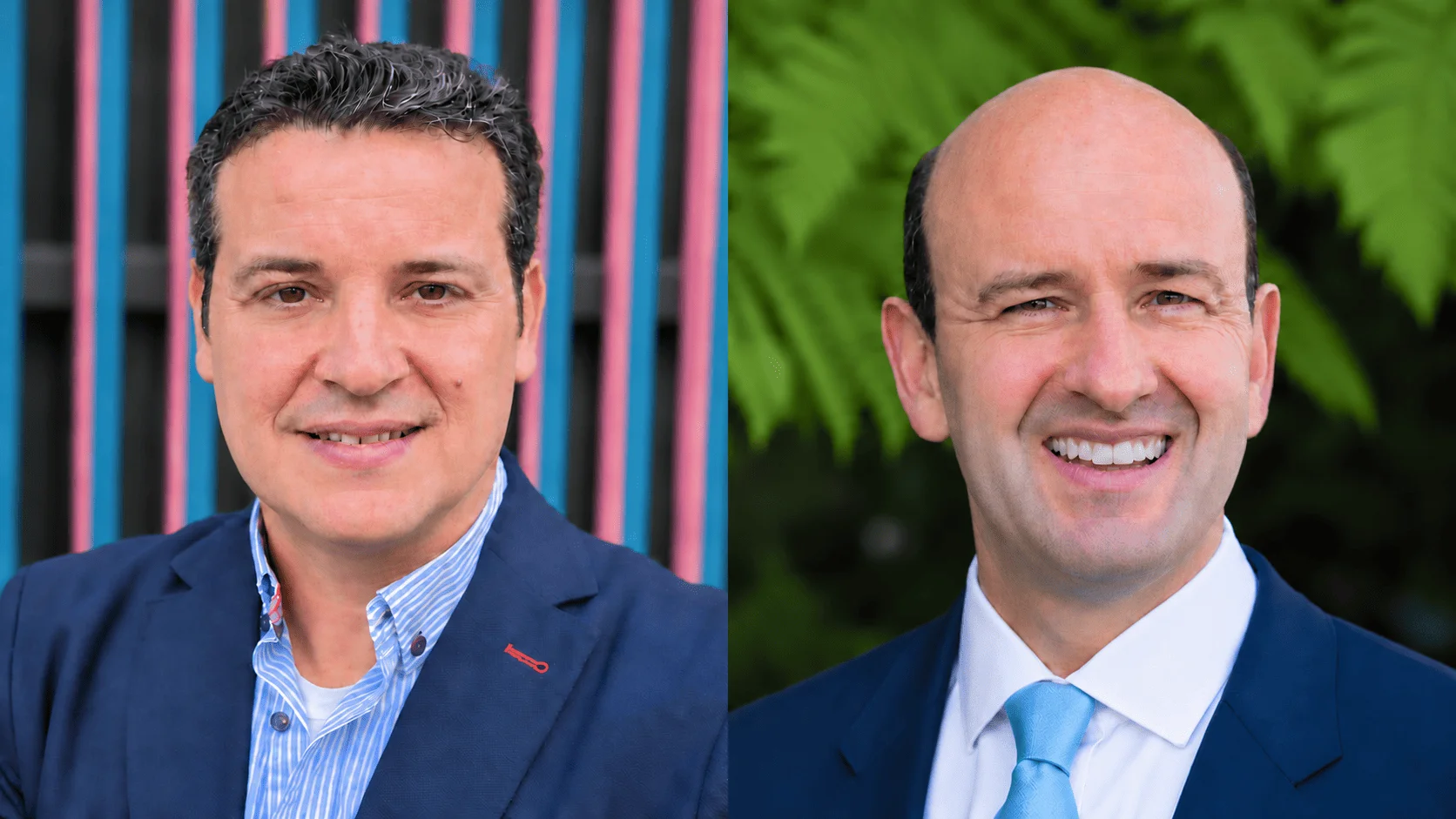
Guest Post by Dr. Juan Bernabé-Moreno and Ivan Houlihan
Guest Post: Building the Conditions for a Quantum Breakthrough
Guest Post by Dr. Juan Bernabé-Moreno and Ivan Houlihan There is a class of problems in materials science that classical computers cannot solve. The math involved grows exponentially more complex as the system being studied gets larger.…
Resonance
Publisher The Quantum Insider
Nov 20, 2026 at 9:09 AM UTC · 5 min de lectura
Traduciendo…
There is a class of problems in materials science that classical computers cannot solve. The math involved grows exponentially more complex as the system being studied gets larger. Add more dimensions to a quantum system or introduce realistic interactions between particles, and the number of variables quickly exceeds what any classical simulation can track with confidence.
Earlier this year, researchers from IBM Research Ireland were part of an international team including scientists from Trinity College Dublin, NIST, and Basque Quantum (BasQ), that published a paper in Nature Communications tackling this challenge.
The paper demonstrated that quantum and classical computers can be combined to study physical systems too complex for either approach alone, with direct implications for nanoscale semiconductor research.
The research centered on a class of interactions, known as Heisenberg-type spin interactions, that describe how the magnetic orientation of one particle influences its neighbors. These interactions arise in a range of physical systems relevant to semiconductor innovation, including quantum dot architectures, single-molecule magnets, and metallic chains.
Article Intelligence
Sponsored
Ad
NewsLayerLearn more
NewsLayer Premium
Unlock deeper intelligence.
Ad-free reading, exclusive research, and real-time onchain insights.
Go Premium