

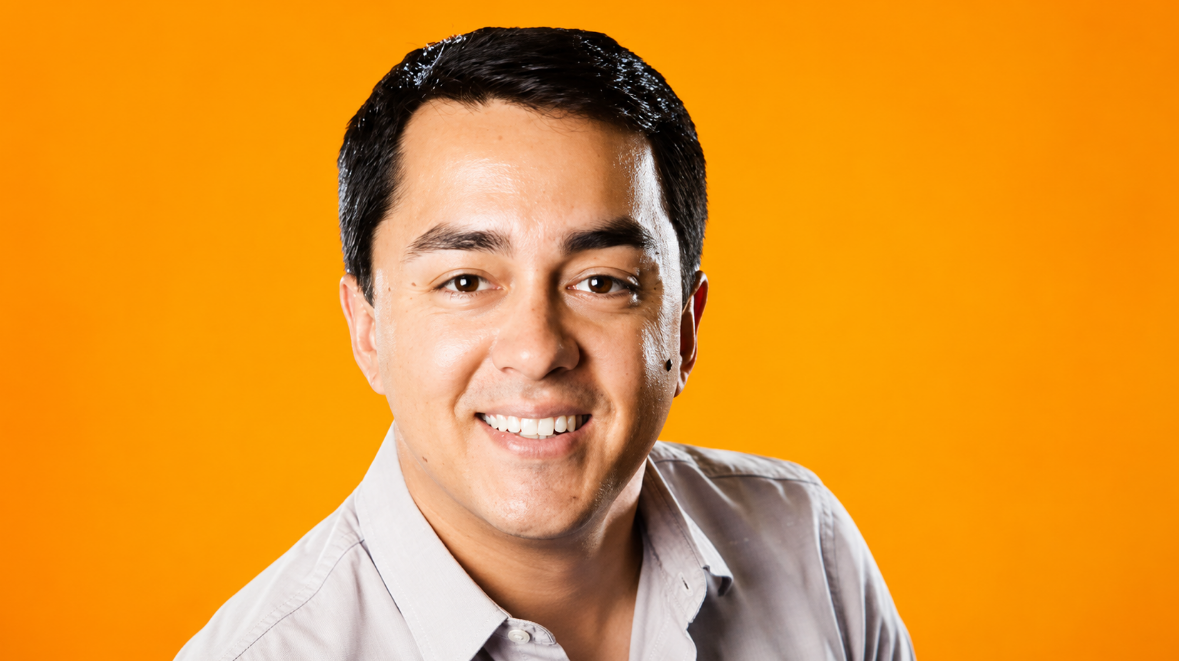
Guest Post by Kyle Okamoto, President of Axe Compute.
Guest Post: Quantum Readiness Starts With the Infrastructure We’re Building Today
Guest Post by Kyle Okamoto, President of Axe Compute. When people talk about quantum readiness, the conversation often moves quickly to the quantum computer itself. How many qubits will we need? When will fault-tolerant systems arrive?…
Resonance
Publisher The Quantum Insider
Aug 28, 2026 at 10:35 AM UTC · Updated hace 6 horas · 5 min de lectura
Traduciendo…
When people talk about quantum readiness, the conversation often moves quickly to the quantum computer itself. How many qubits will we need? When will fault-tolerant systems arrive? Which industries will find commercial applications first?
Those questions matter, but I think there is another one worth asking: what will all of that quantum hardware actually connect to?
The architecture taking shape today suggests that quantum processors will operate alongside classical infrastructure rather than in isolation. CPUs, GPUs and eventually QPUs will handle different parts of a workload, which means the infrastructure around quantum computing could matter almost as much as the processor itself. For most enterprises, quantum readiness is therefore not a decision to buy quantum capacity today. It is the ability to evaluate, simulate, orchestrate and access specialized compute as the technology evolves.
We can already see this thinking in platforms such as NVIDIA’s CUDA-Q, which is designed to orchestrate workloads across CPUs, GPUs and QPUs. GPUs can also simulate quantum systems, giving researchers and developers a way to test algorithms before suitable quantum hardware is available.That matters because much of the work in a hybrid quantum-classical workflow will remain classical: preparing data, coordinating execution, running optimization loops and processing results.
Article Intelligence
Topics
Related Coverage
View all related
Sponsored
Ad
NewsLayerLearn more
NewsLayer Premium
Unlock deeper intelligence.
Ad-free reading, exclusive research, and real-time onchain insights.
Go Premium