


A machine that avoids deep cooling is now being tested in Japan. Its creators believe a simpler design could reshape the race for usable quantum computing.
Japanese Researchers Put Experimental Neutral Atom Quantum Computer Into Operation in Aichi
A machine that avoids deep cooling is now being tested in Japan. Its creators believe a simpler design could reshape the race for usable quantum computing.
Межа. Новини України.
Publisher
Aug 25, 2026 at 7:11 AM UTC · 1 min de lectura

Traduciendo…
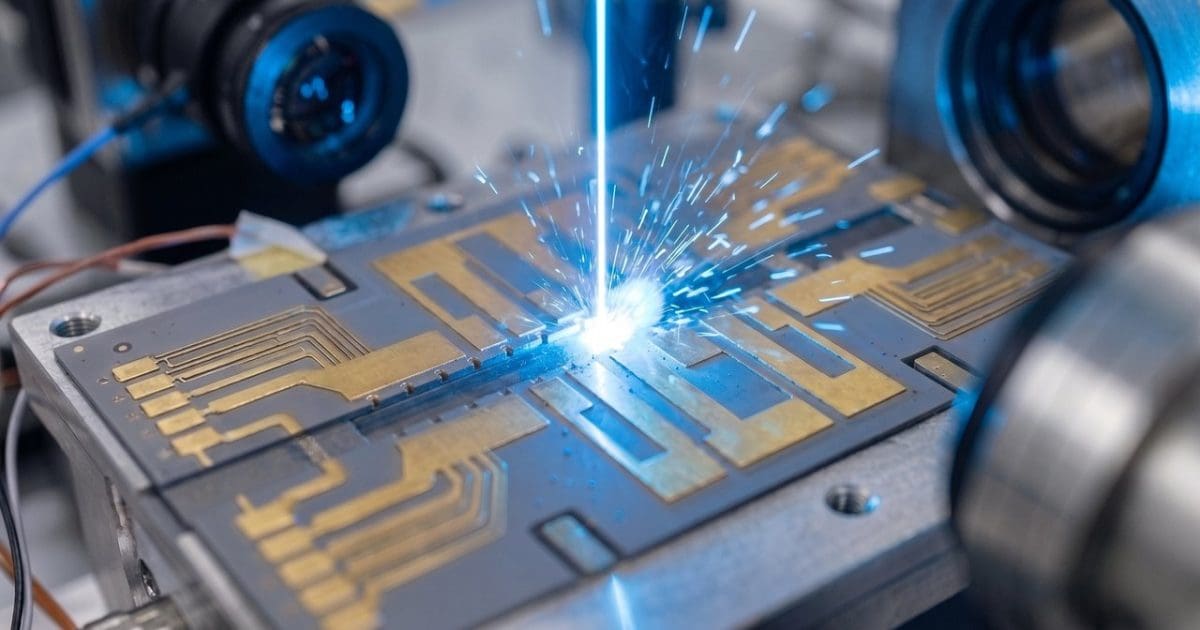
An experimental quantum computer model based on neutral atoms has begun operating in Aichi Prefecture. Created by Japanese researchers, the development demonstrates one of the promising approaches to building quantum systems that could eventually be used for complex practical calculations.
Quantum computers use the properties of atoms and electrons to process a large number of possible solutions to problems in parallel. Unlike conventional computers, such systems could potentially perform certain types of calculations much faster.
How a neutral-atom quantum computer works
The model was developed by a team led by Professor Kenji Omori of the Institute for Molecular Science. The technology is based on electrically neutral atoms that are held and controlled with lasers inside a vacuum chamber.
The neutral-atom platform stands out because it can operate at room temperature. Many other quantum systems require complex cryogenic equipment for deep cooling, whereas the Japanese setup does not depend on such hardware.
This could help reduce the size of quantum computers, simplify their operation, and bring the technology closer to practical and commercial use.
Article Intelligence
Related Coverage
 QuantumNIST Researchers Supersize Quantum Technology to Help Detect Faint Photonshace 30 minutos · 5 min read
 QuantumResearchers Achieve 99.915% Fidelity In Qubit Control Via Lighthace 18 horas · 3 min read
 ResearchVacuum-fluctuation-enhanced superconductivity demonstrated for the first timehace 11 horas · 1 min read
Sponsored
Ad
NewsLayerLearn more
NewsLayer Premium
Unlock deeper intelligence.
Ad-free reading, exclusive research, and real-time onchain insights.
Go Premium