
A new compilation framework now enables end-to-end quantum simulations, assessing algorithm performance across diverse hardware platforms. The platform-aware system recompiles quantum circuits for specific architectures and error correction models, providing estimates encompassing physical qubit count, time-to-solution, and classical processing requirements. Simulations utilising approximately ten thousand physical qubits demonstrated runtimes varying from one hundred and two milliseconds to one hundred and five milliseconds depending on whether photonic, superconducting or neutral atom technologies employ them.
Researchers Simulate Molecules Using Ten Thousand Qubits
A new compilation framework now enables end-to-end quantum simulations, assessing algorithm performance across diverse hardware platforms. The platform-aware system recompiles quantum circuits for specific architectures and error…
Quantum Zeitgeist
Publisher
Sep 29, 2026 at 11:54 AM UTC · 4 min de lectura

Traduciendo…
Researchers created a new system for estimating how much physical hardware is needed to run quantum algorithms; it considers factors like qubit numbers and processing time. The framework recompiles circuits, adapting them to different types of quantum computers including those using photonics, superconducting materials or neutral atoms. This allows direct comparison between platforms and helps identify which hardware best suits specific calculations; simulations utilising approximately ten thousand qubits demonstrated varying runtimes depending on technology employed.
Scientists at the University of Copenhagen and the University of Bristol have developed a new framework for estimating the resources required to run quantum algorithms on different types of hardware, addressing a key challenge as various platforms emerge alongside differing capabilities. Currently, many compilation systems focus on a single computer architecture, hindering fair comparisons between technologies like photonics, superconducting circuits or neutral atoms.
Article Intelligence
Related Coverage
 QuantumResearchers Build Fast Qubit Reader Using Spiking Netshace 3 horas · 3 min read
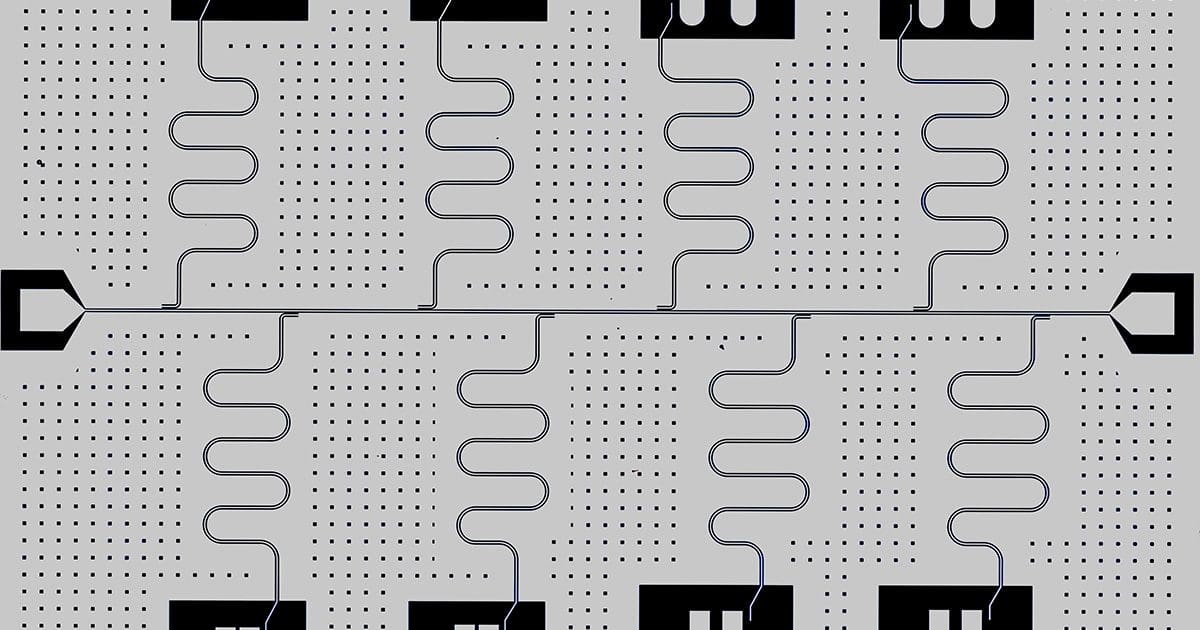 QuantumFermilab-led Study Maps Qubit Defects To Device Performancehace 18 horas · 9 min read
Sponsored
Ad
NewsLayerLearn more
NewsLayer Premium
Unlock deeper intelligence.
Ad-free reading, exclusive research, and real-time onchain insights.
Go Premium