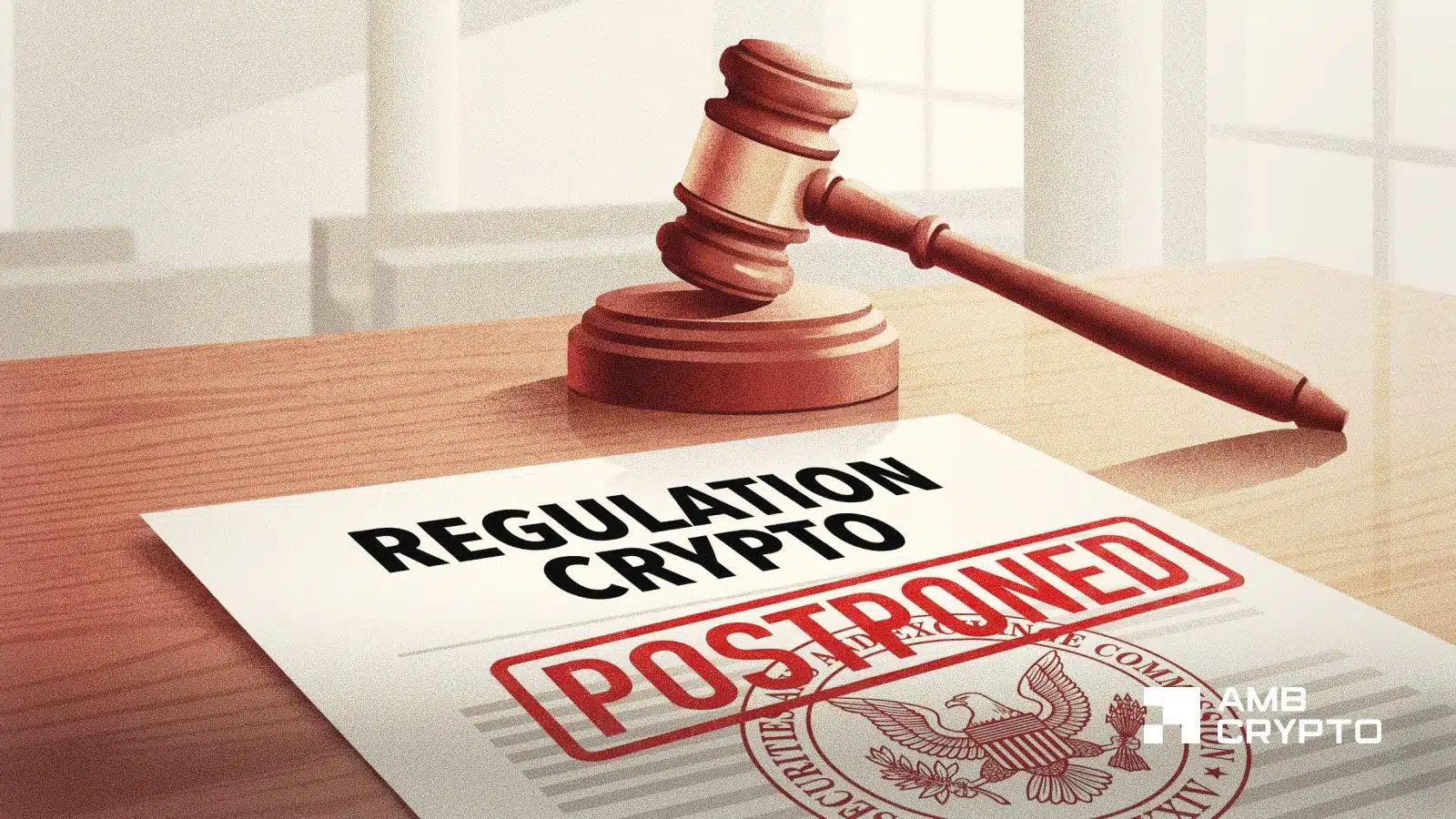
The SEC originally planned to release the exemption in May. It pushed the date back after hearing from exchanges, public companies, and other stakeholders. This delay highlights the delicate balance regulators face between fostering innovation and protecting investors. The proposed exemption, if finalized, would mark a significant step toward integrating traditional finance with digital assets, a shift accelerated by growing demand for round-the-clock trading.
Get the free Always Be Buying eBook and learn the simple system for building wealth on any income
One big worry was third-party tokens, which are created by someone other than the company whose stock is being tokenized. The revised proposal may give companies the option to reject a third-party listing of their stock.
Another concern was security. Regulators worried that overseas bad actors could slip in through blockchain loopholes, so the new rules likely include stricter controls and anti-money-laundering requirements, including a demand that trading platforms be based in the US.
Brett Redfearn, who leads tokenization firm Securitize and previously served as an SEC director, said the industry pushed for companies to maintain a role in the tokenization of their own stock. "We've strongly advocated for corporate issuers to remain involved in how their own stock gets tokenized, and we're hopeful the SEC has given them a meaningful seat at the table," he said.
Why Congress Is Stuck
The SEC's move comes after a bigger legislative effort stalled. The Clarity Act, a bill that would set clear rules for how crypto markets operate, failed to pass before the Senate's August recess.
The holdup was a partisan fight over ethics rules for public officials. It started after President Trump disclosed making $1.4 billion from crypto and memecoin ventures in 2025.
Senate Majority Leader John Thune has filed to schedule a procedural vote on the bill when lawmakers return in mid-September. But Congress has limited time to pass it before the midterm elections, and a procedural vote is not the same as a final deal.
What It Means for Your Money
Even if the SEC's exemption works, experts say it is not the same as a law. Jefferies analysts Andrew Moss and Aqil Taiyeb put it this way: "Regulatory agencies will likely provide clarity through guidances, but guidances are not replacements for legislation, given the potential for rollbacks from a future, less supportive, administration."
Without a law, the industry stays in legal uncertainty, and that keeps big institutional investors on the sidelines. So what does this mean for you? The SEC is trying to open a door between crypto and the stock market, but the legal ground under that door is still shaky.
If the exemption holds, you could one day trade stocks the way you trade crypto, around the clock. If the law never passes, that door could swing shut again, and the whole experiment could be undone by the next administration.
Download the free Always Be Buying eBook and start putting your money to work today