
The emergence of quantum computing is bound to be disruptive, but organisations that learn to complement it with existing digital infrastructure will benefit.
The Road Ahead: Quantum Computing In The Next Decade
The emergence of quantum computing is bound to be disruptive, but organisations that learn to complement it with existing digital infrastructure will benefit.
Open Source For You
Publisher
Nov 10, 2026 at 4:30 AM UTC · Updated hace 14 horas · 10 min de lectura
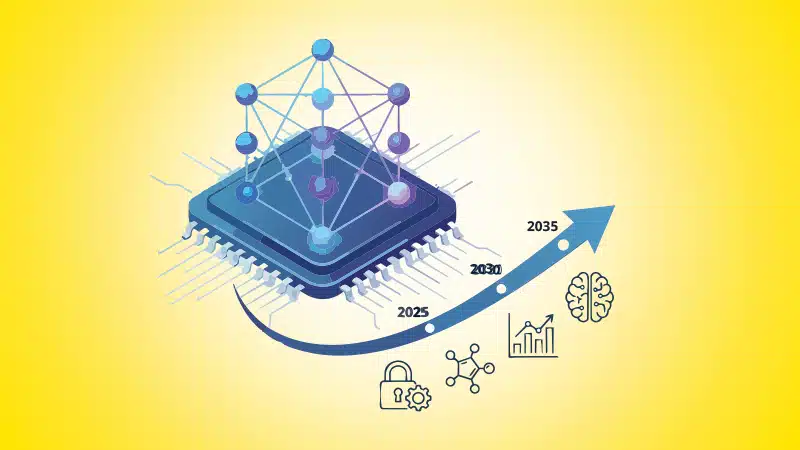
Quantum computing has moved from the edges of theoretical physics into the centre of strategic technology planning. For decades, it was discussed mainly as a scientific possibility, admired for its elegance but viewed as distant from everyday use. That perception is changing. Governments, universities, cloud providers, startups, and large enterprises are now treating quantum technologies as part of a serious long-term innovation agenda. The next decade will not necessarily bring a universal quantum computer sitting on every desk, but it is very likely to reshape how organisations think about computation, security, materials discovery, optimisation, and scientific modelling.
The road ahead is both exciting and uneven. Quantum computing is advancing rapidly, yet it remains constrained by engineering realities such as qubit stability, error correction, cooling requirements, and the difficulty of converting laboratory breakthroughs into reliable industrial systems. The coming years will therefore be marked by a careful balance between ambition and practicality. The most successful organisations will be those that understand quantum computing not as a sudden replacement for classical computing, but as a specialised capability that will mature gradually and complement existing digital infrastructure.
Article Intelligence
Topics
Sponsored
Ad
NewsLayerLearn more
NewsLayer Premium
Unlock deeper intelligence.
Ad-free reading, exclusive research, and real-time onchain insights.
Go Premium